
Before I moved to Germany I decided to research German customs and basic laws. Most of the guides I found online and in print version covered a lot of what I discuss here. Still, I found it very strange when people weren’t smiling as much as South Africans do. I also thought it was odd when I saw tourists dressed up in dirndls for no reason. Living in a student dorm meant I attended many parties hosted by my roommate. My dorm building also had a bar inside of it. So it was weird that there were people living in the building who weren’t students and who were complaining about the noise. So being quiet during certain hours in Germany matters. You can even get fined for jaywalking so if you want to know more about what not to do I suggest you continue reading.
Don’t stand or walk in the bicycle lane
In Germany, bike lanes are considered sacred and should never be used by pedestrians. Cyclists take these lanes very seriously, and walking on them can lead to frustration and anger from riders. To avoid any unpleasant encounters, including being yelled at in German, always make sure to stay off bike lanes and respect local cycling infrastructure.
Don’t grill without asking your neighbours permission
In Germany, some apartment contracts specify limits on how often you can grill. This is due to the general dislike of grilling smells among many residents. As a result, you may need to seek permission from your neighbours before using a grill. This cultural norm reflects the country’s emphasis on maintaining a pleasant living environment for all residents.

Don’t wish someone happy birthday before the time
Don’t send happy birthday wishes before the time. Wishing a person happy birthday before the time is considered bad luck.

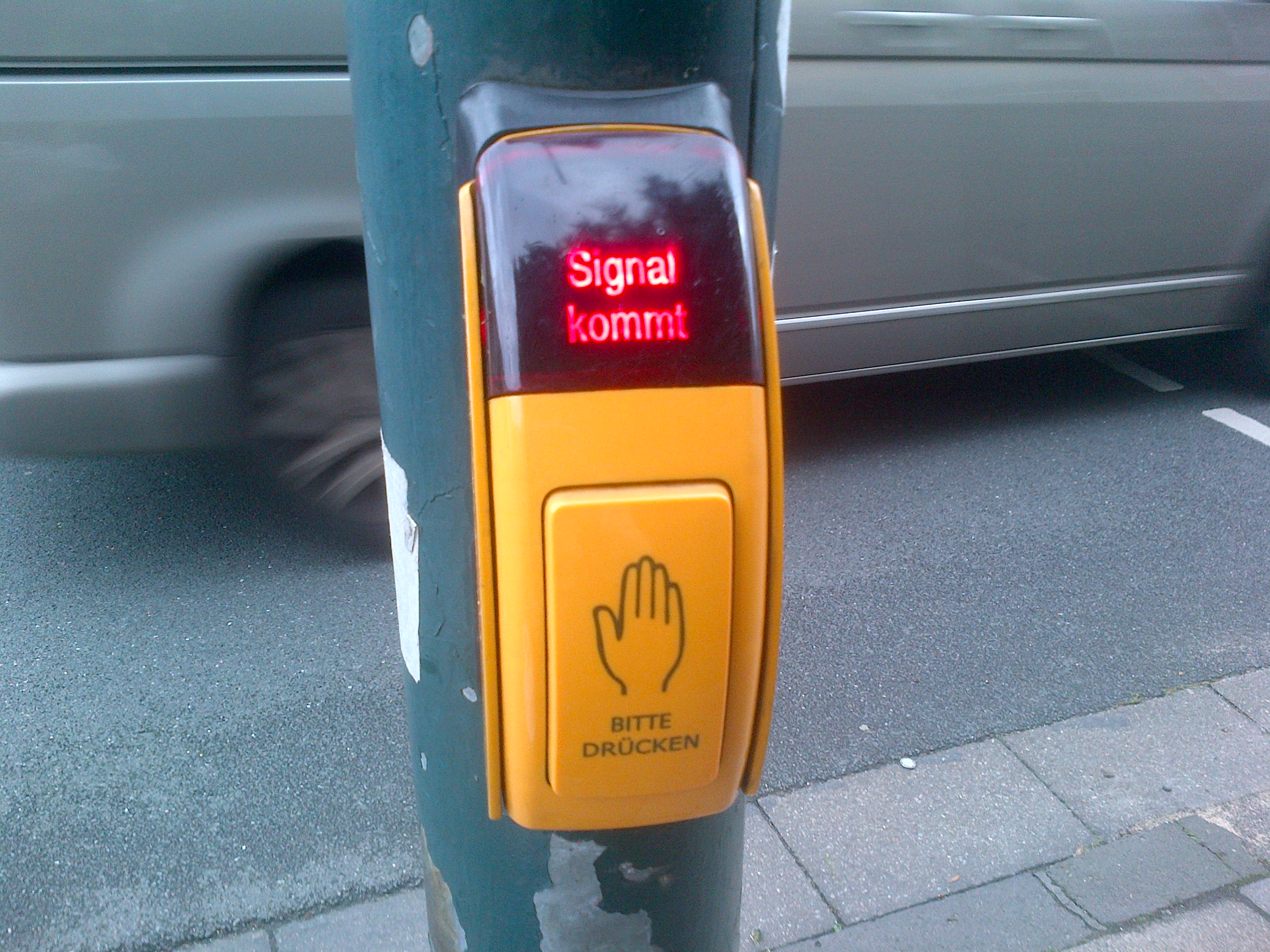
Don’t jaywalk
n Germany, crossing the street on a red light can result in hefty fines. Additionally, if there are children present, you may face accusations of setting a poor example and could even receive a scolding. Adhering to traffic signals is crucial to avoid penalties and maintain public safety.
Don’t walk with your shoes on into someones home
In Germany, not everyone follows the custom of removing shoes before entering a home. To navigate this politely, observe whether your host takes off their shoes. If unsure, start by removing your own shoes at the door and gauge the situation based on your host’s response. Adapting to these norms will help you respect local customs and ensure a comfortable visit.

Don’t be late
Being punctual is highly valued in Germany, and arriving late is generally frowned upon. To avoid any negative impressions, plan to leave early to ensure you arrive on time.
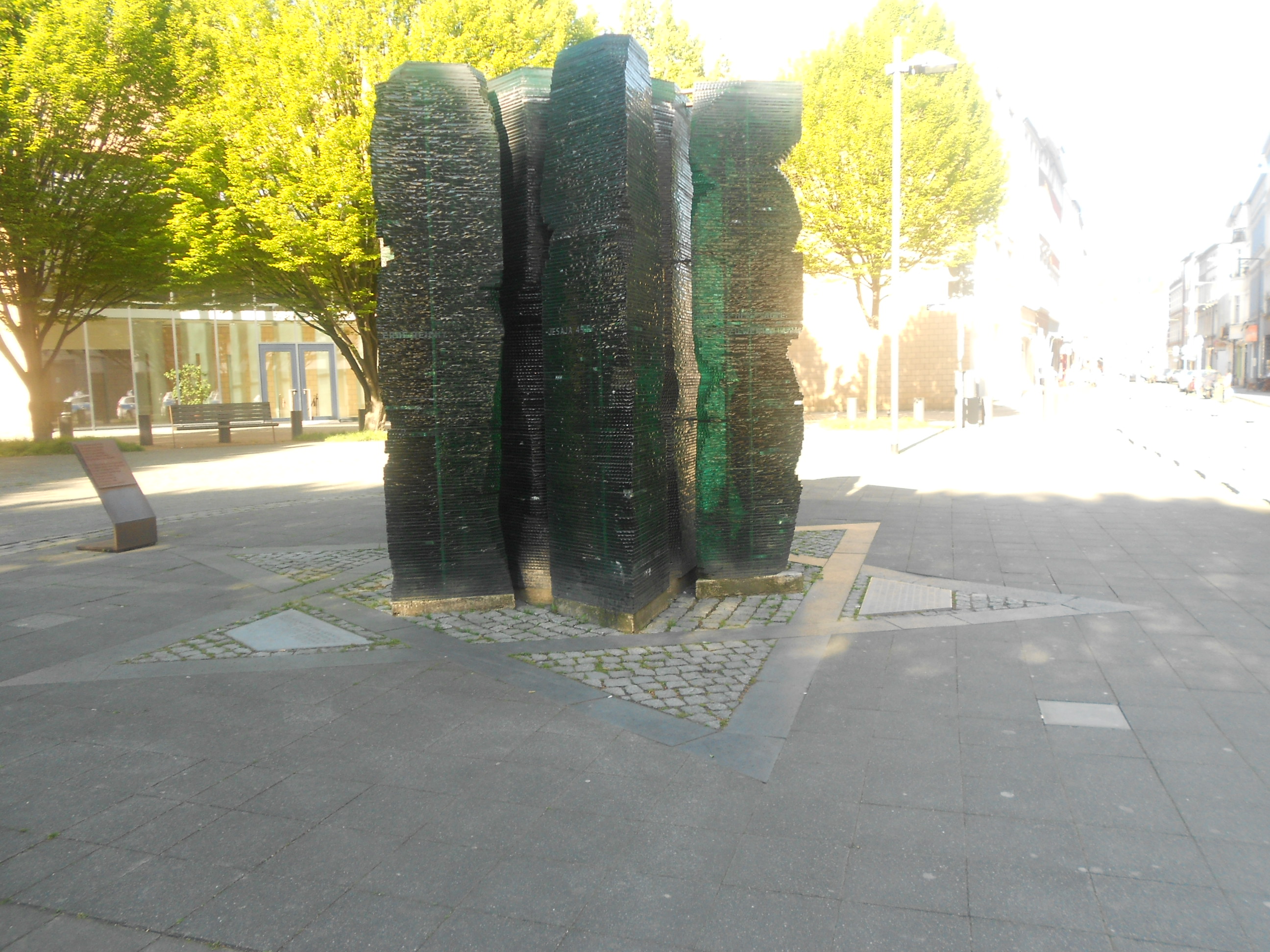
Don’t be disrespectful at memorials
When visiting memorials and concentration camps in Germany, it’s important to show respect. Avoid taking selfies or climbing on the memorials, as these actions are considered disrespectful. Maintaining a respectful demeanor at these solemn sites is crucial.
Handling Sensitive Topics in Germany
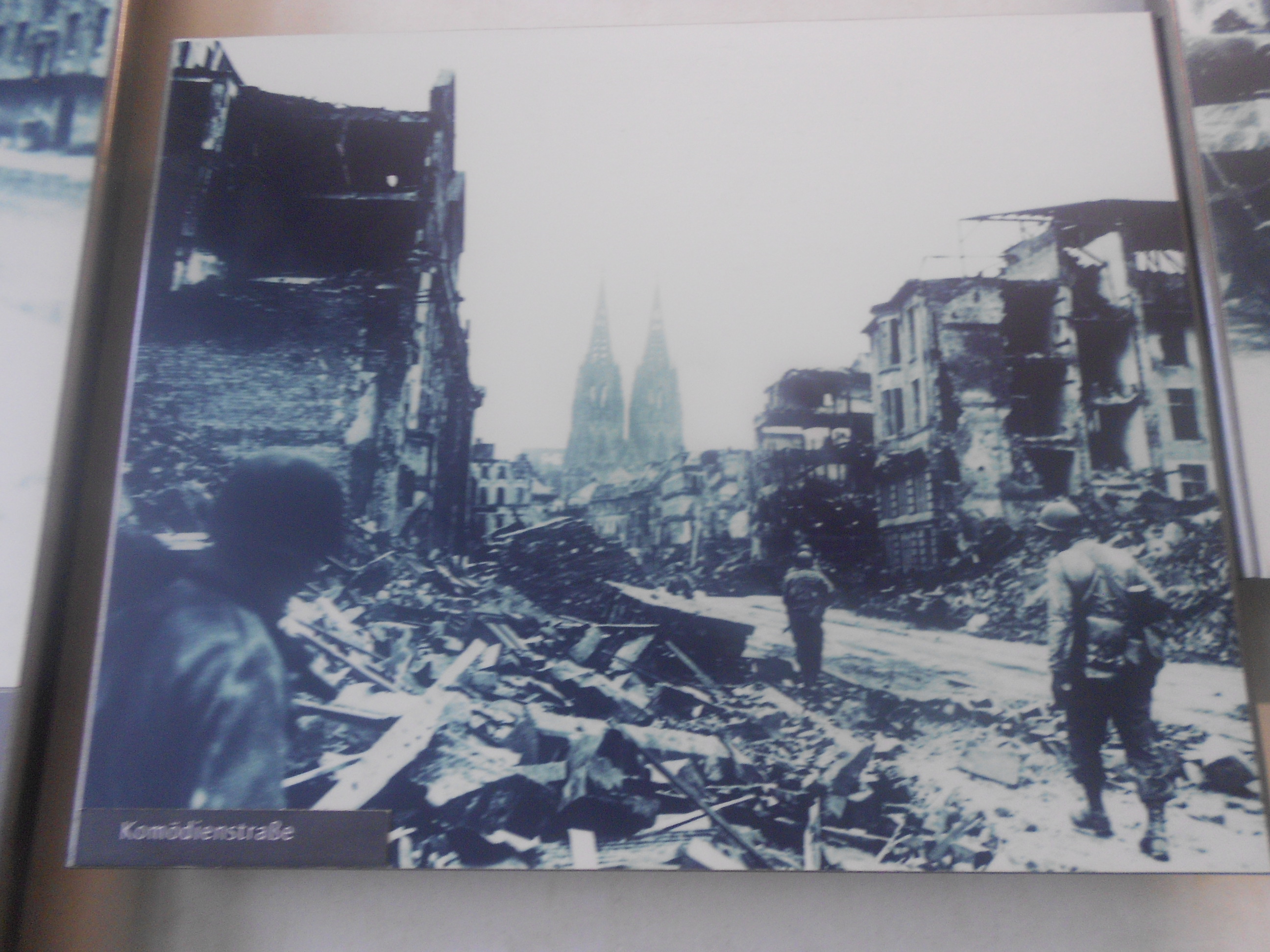
As a political studies student pursuing a development degree in Germany, I learned that discussing certain topics, such as those related to historical figures like Hitler, remains highly sensitive and often considered taboo. This includes any form of humour or jokes about such figures. It is important to approach these subjects with caution and respect, understanding their significance in German history and culture.
Don’t show the Nazi salute
The nazi salute is not funny and you can be arrested for it. You will then have to pay a fine or even spend 5 years in jail for it.

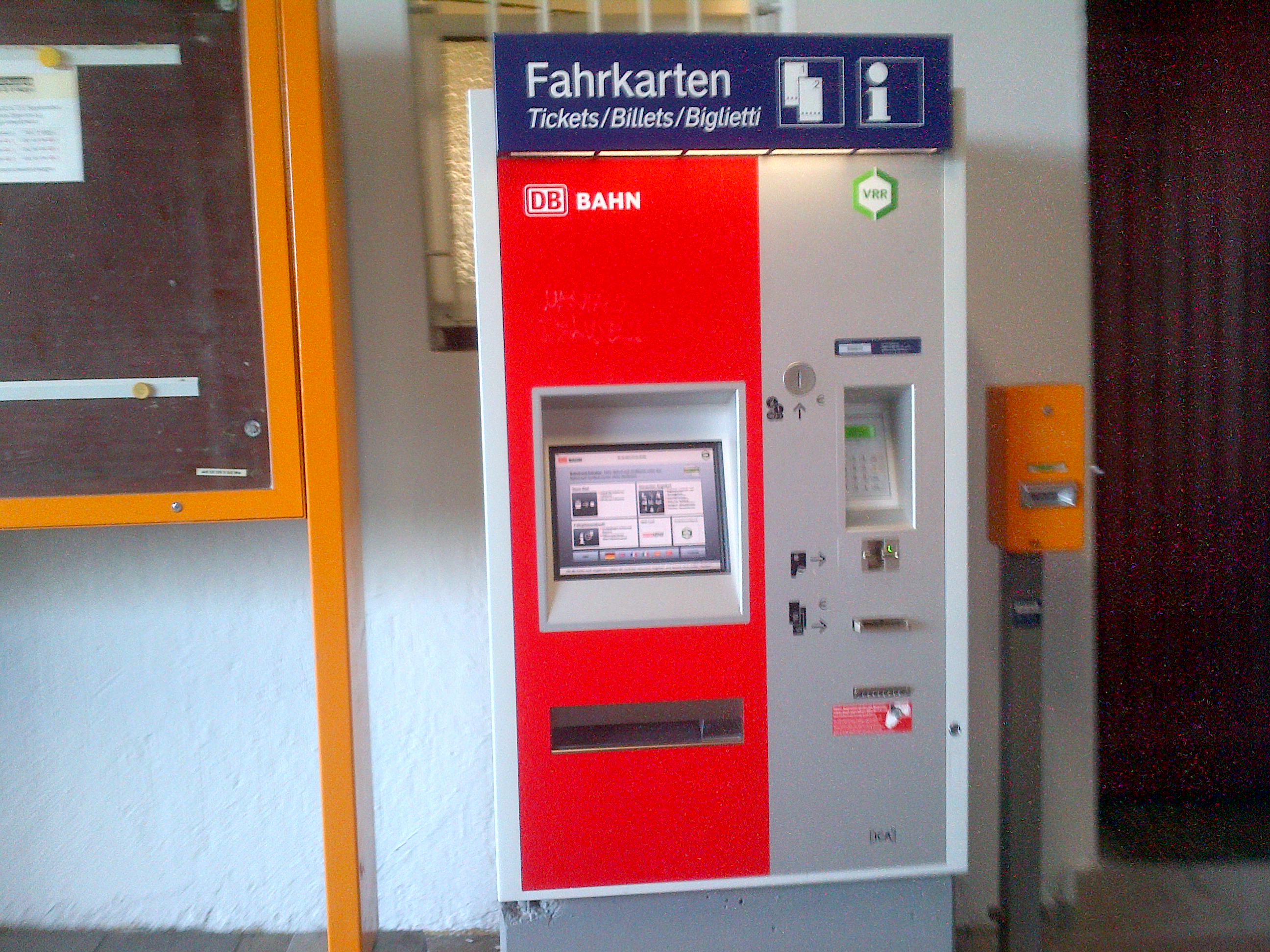
Don’t take “free” rides
In Germany, failing to purchase a valid ticket for public transportation can result in a hefty fine. Unlike many countries, Germany does not use turnstiles but relies on ticket inspectors to enforce compliance. If caught without a ticket, you could face a €60 fine. To avoid this penalty, always ensure you buy a ticket before boarding public transit.
Don’t be noisy during quiet time
Before traveling to Germany, I researched the country’s strict noise regulations. Germany enforces quiet hours to ensure a peaceful environment. On Sundays, public holidays, and during the evenings, noise levels must be kept to a minimum. Specifically, quiet times are enforced daily from 1 PM to 3 PM and from 10 PM to 7 AM. Activities such as playing loud music, using a hammer, vacuuming, or running the washing machine during these times can lead to complaints. To avoid issues, it’s important to respect these quiet hours.

Don’t recycle wrongly
In Germany, waste management is organised through a colour-coded bin system, where different types of waste must be sorted into designated bins. To ensure proper recycling, it’s essential to know which items go into each bin. For a comprehensive guide on how to recycle correctly in Germany, read this informative article: Step-by-Step Guide to Recycling in Germany.

Don’t throw out Pfand bottles
In Germany, many bottles come with a Pfand sign, indicating that a deposit has been paid. When purchasing drinks in these bottles, an additional 25 cents per bottle is charged. You can return these bottles at most grocery stores to reclaim your deposit. This system encourages recycling and helps reduce waste.
Don’t be loud when travelling on public transport systems
As a foreigner, I initially struggled with understanding Germany’s social conventions regarding noise. I observed that while people tend to be louder on Saturday evenings, weekdays are much quieter. On public transport, such as buses, U-Bahn (subway), and trains, conversations are generally kept to a minimum. It’s uncommon to see people talking loudly or taking lengthy phone calls; if a call is necessary, it’s usually brief and to inform others of their travel status. Respecting these norms helps maintain the calm and orderliness expected in German public spaces.
Don’t be overly friendly
In South Africa, hugging is a common form of greeting, and addressing people by their first names, even in professional settings, is typical. Expressing gratitude with a smile is also standard, and engaging in casual conversation with bus drivers and taxi drivers is normal. Additionally, asking cashiers or waitstaff “how are you?” is a common practice. However, in Germany, social norms are different. Hugging is reserved for long-time friends and close acquaintances, with handshakes being the more prevalent form of greeting. Expressing thanks without a smile is common, and chatting with bus drivers or taxi drivers is unusual unless inquiring about fares. Asking strangers how they are doing can be perceived as odd in German culture.

Greet properly
In Germany, formal greetings are essential, particularly in business settings. The German language distinguishes between formal and informal address with the use of “Sie” for formal interactions and “du” for informal ones. In a professional environment, it’s customary to address individuals using “Sie” or their last name. For example, when addressing a professor, you would use “Herr Professor Lambach” for a male professor and “Frau Professor Müller” for a female professor. In written correspondence, it’s appropriate to use “Herr Professor Doktor Lambach” or “Frau Professor Doktor Müller” respectively. As a foreigner in an international setting, you may find it acceptable to simply use “Professor Lambach” if that’s how the professor introduces themselves. Pay attention to how your professors introduce themselves to determine the proper form of address.
For more information on German greetings, visit: ThoughtCo – Greeting in Germany.

Don’t walk around in traditional wear
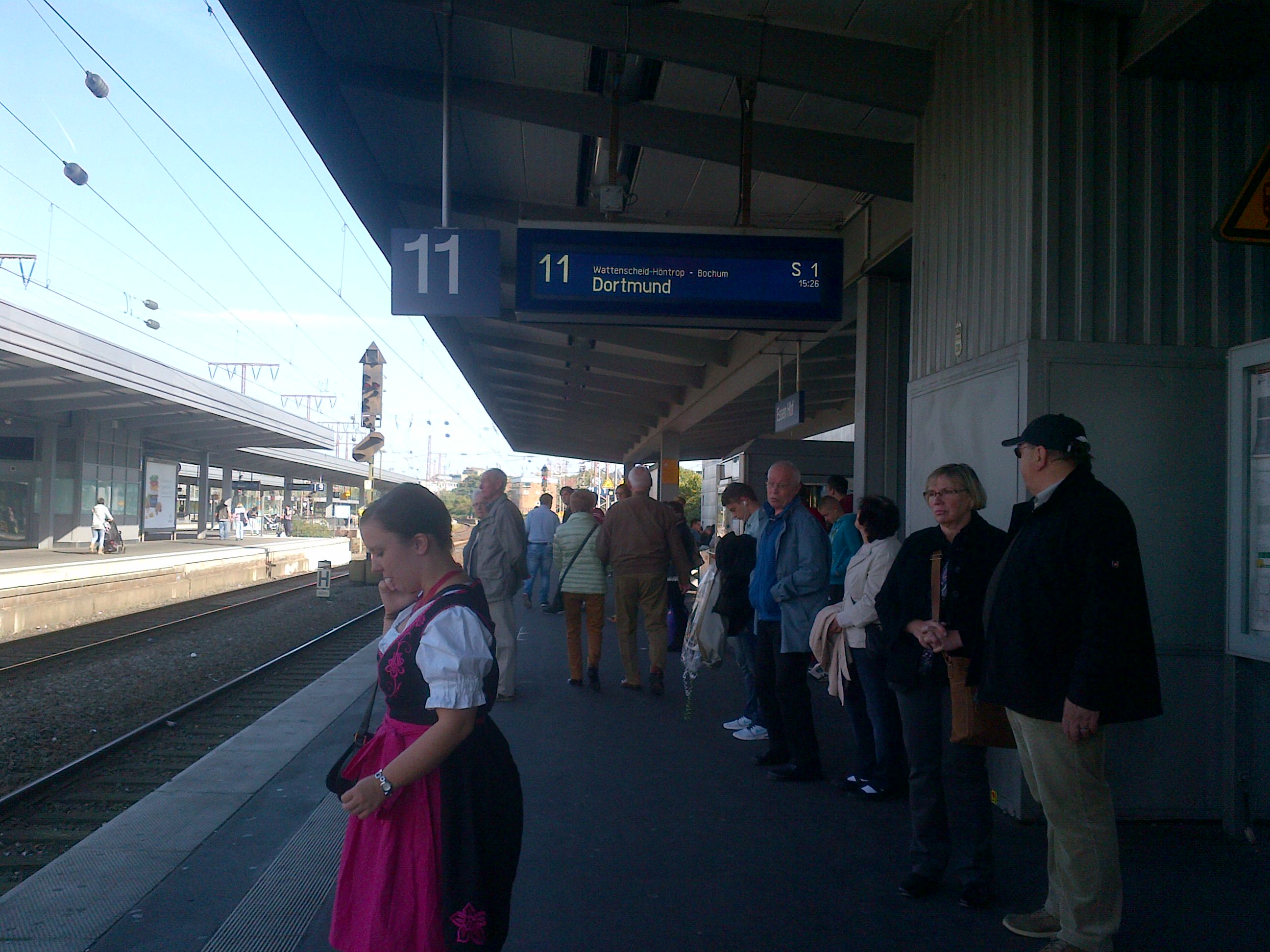
Some tourists in Germany may mistakenly believe that wearing a dirndl or lederhosen is suitable for everyday use. However, these traditional outfits are specifically reserved for beer festivals, such as the renowned Oktoberfest. While these garments are iconic, they are not part of the daily wardrobe for most Germans, even in regions like Bavaria where traditional attire is most popular. Oktoberfest, which actually takes place in September, is the ideal occasion to don these outfits. Although some Germans choose not to dress up, many do, and wearing a dirndl or lederhosen will help you blend in and enjoy the festival fully. If you want to avoid standing out as an “Ausländer” (foreigner) and fully embrace the festive spirit, consider getting dressed up and joining in the fun.
Autobahn rules
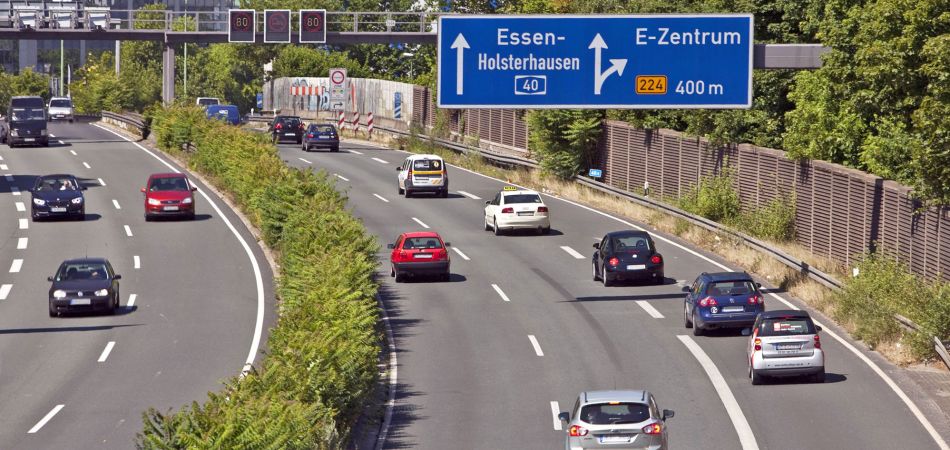
Since I wasn’t driving during my time in Germany, these rules didn’t directly affect me. However, if you plan on driving around Germany, it’s crucial to familiarize yourself with the local road rules. For detailed information on driving regulations, including tips for navigating the Autobahn, follow this link: Driving on the Autobahn.
Refugee situation
In my experience, Germans are generally kind and welcoming to refugees. I had the opportunity to witness a heartfelt welcome parade in Göttingen, showcasing widespread community support. However, it’s important to note that the topic of refugee policies can be controversial, with some Germans opposing the government’s decisions on refugee intake. To avoid potential discomfort or conflict, it’s best to steer clear of discussions about refugee policies, especially when meeting someone for the first time or in a professional setting.
Don’t wash your car anywhere
In Germany, washing your car is restricted to designated spaces to prevent harmful chemicals, like oil and soap, from contaminating the wastewater system. These regulations are also in place to facilitate water recycling during car cleaning. You can wash your car at either mechanical car washes or self-service car wash stations. Both options require payment and adhere to specific operating hours. For more details on these regulations, visit this link.

Don’t drink without toasting
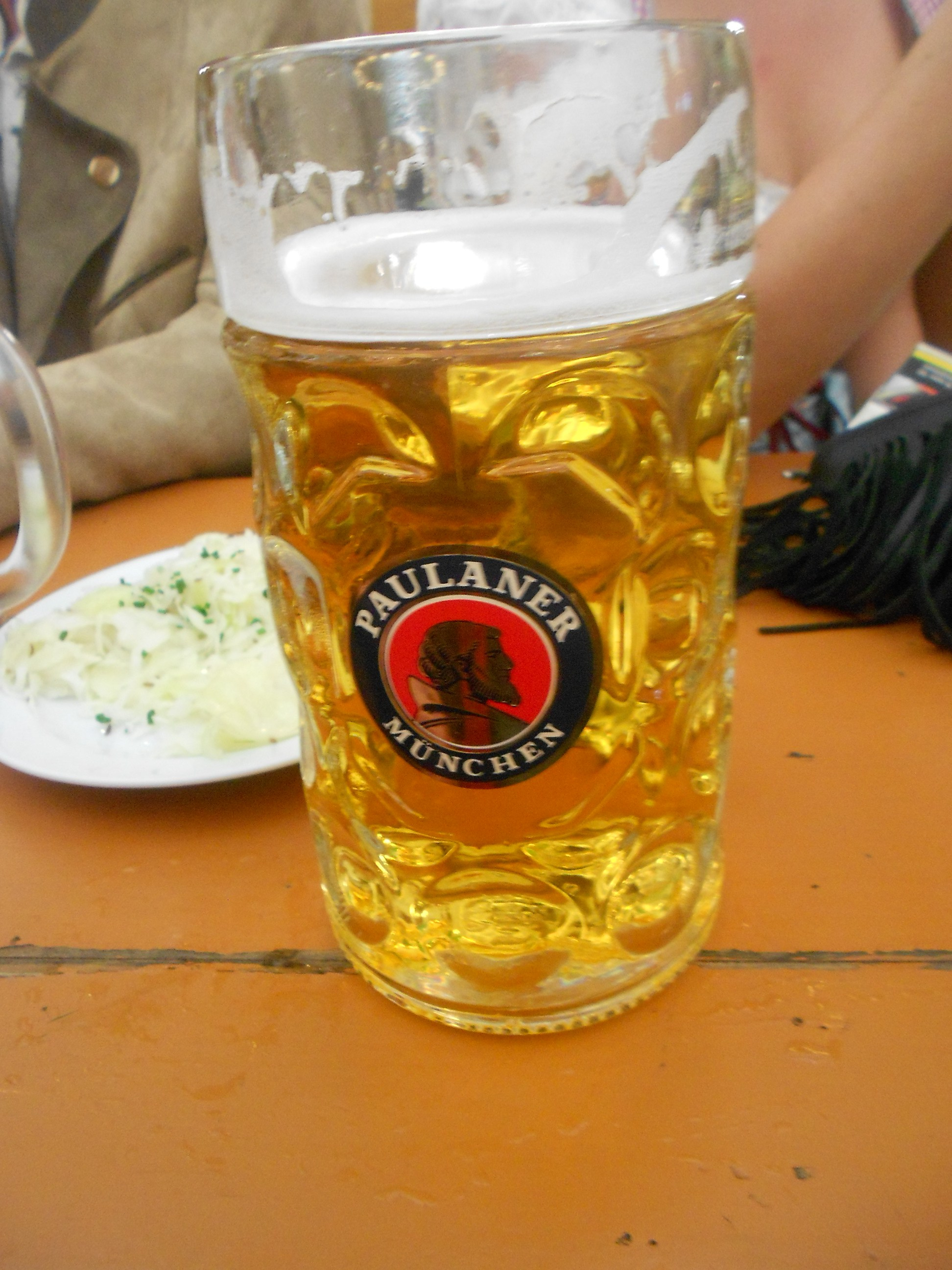
In Germany, it’s customary to toast before drinking. While you don’t need to toast with every drink, it’s important to do so at least once before the first round. When toasting, make sure to look the person in the eye; failing to do so is said to bring seven years of bad luck—at least according to German tradition! At Oktoberfest, expect toasting to happen frequently and spontaneously, so just join in the fun.
Additional Resources and Final Thoughts
For more insights on German customs and regulations, you might find these resources useful:
Germany’s Refugee Policy: Four Words for Humanity
Why Don’t Germans Smile More?
Birthday Customs in Germany
Overall, while some social norms in Germany might seem strict, people are generally understanding of foreigners. Many Germans are friendly and warm, though it may take time for them to warm up to new acquaintances. Thank you for reading my blog, whether you’re a longtime follower or a newcomer. I appreciate your comments and look forward to potential collaborations. Feel free to reach out to me via inbox or email.
Wishing you happy travels!


 Nikkidiscovers
Wow these are some amazing facts about that country 👌👌
Thanks for sharing 👍😊
LikeLiked by 1 person
Thanks so happy that you enjoyed reading this post
LikeLike
I loved living in Germany, Sundays were so quiet. One time we were staying at a vacation home and my husband started mowing the lawn at noon hour (we didn’t do our research as you did). The neighbour politely told us that was not allowed during the quiet time. He knew we were foreigners and was very nice to us. I miss that quiet time, especially Sundays and we have company, meanwhile our neighbours (in Canada) mow the lawn any time, all through the week. 😦
❤️carmen
LikeLiked by 1 person
It’s kinda nice to have a day off from the hustle and bustle. Even my dorm building was quite on Sundays. And when the sun is out it’s so lovely to take a walk outside. Luckily my neighborhood is quite here in South Africa.
LikeLiked by 1 person
A lot of this also applies to Denmark! As a swede returning from other countries it’s taking me time to get used to as well. Especially the bicycling here. Watch out and be very careful crossing roads in Copenhagen 🙏🏻😌
LikeLiked by 1 person
I will have to go to Denmark some day to see for myself. Didn’t get the chance to go when I was in Europe. I love how so many European countries enjoy cycling.
LikeLiked by 1 person
It’s very pretty here. And the bicycles it’s amazing! They’re everywhere. And watch out when crossing roads- it’s more the cyclists than the car that you should watch out for 😌🙏🏻
LikeLiked by 1 person
Same in Germany. Here in South Africa bicycle culture isn’t that widespread. I can’t even remember the last time I rode a bicycle.
LikeLiked by 1 person
Well I’ve been in the US and the U.K. so not cycled in many years! Now I love it again. 🙏🏻😌
LikeLike
I need to probably learn how to ride a bike again. Cycling is good exercise.
LikeLiked by 1 person
It is lovely. I was out earlier today and it’s fun and healthy all at the same time! I’d recommend. 🙏🏻😌
LikeLike
if you have a dream to visit Everest Base Camp the highest peak in the world. we fulfil your dream at low cost. we declared the fixed departure date for 2018.
please feel free to contact us for more information about the trip.
we are always happy to assistant design your holidays’ package in Nepal. see more at http://www.nepalholidaytreksandtours.com
LikeLiked by 1 person
Hi guys sorry I’m not interested but, will refer your services to my friends.
LikeLiked by 1 person