
As someone who has experienced the wonders of Germany, I’ve encountered a few cultural quirks that were quite different from what I’m used to. Here are some of the most surprising aspects of life in Germany that left me thinking, “Huh, what the hell?”
Cash Payments Are King
In South Africa, using a debit card for most transactions is the norm. However, in Germany, carrying cash is essential. Many places, from small shops to larger businesses, only accept cash payments. Digital payment options like Snapscan or card machines are rare. Despite Germany’s advanced infrastructure, cash remains the dominant form of payment. To avoid frequent trips to the ATM, it’s wise to always carry a few euros with you.
Dubbed Films vs. Subtitled Films
During my time in Düsseldorf, I tried to catch popular films like Mockingjay Part 2 and Deadpool. Finding cinemas that show movies in English was more challenging than expected. In Germany, many films are dubbed into German, where as in countries like the Netherlands, English-language films are often shown with Dutch subtitles. While German voiceover actors are celebrated, I personally prefer watching foreign films with subtitles rather than voiceovers.
The Asparagus Craze
From April to June, Germany celebrates asparagus season with great enthusiasm. This period sees a national obsession with white asparagus. Despite trying it wrapped in bacon (which didn’t win me over), I was fascinated by the fervour surrounding this vegetable. It seems Germans have a deep-rooted passion for asparagus that I’m still trying to understand!
Bottled Water vs. Tap Water
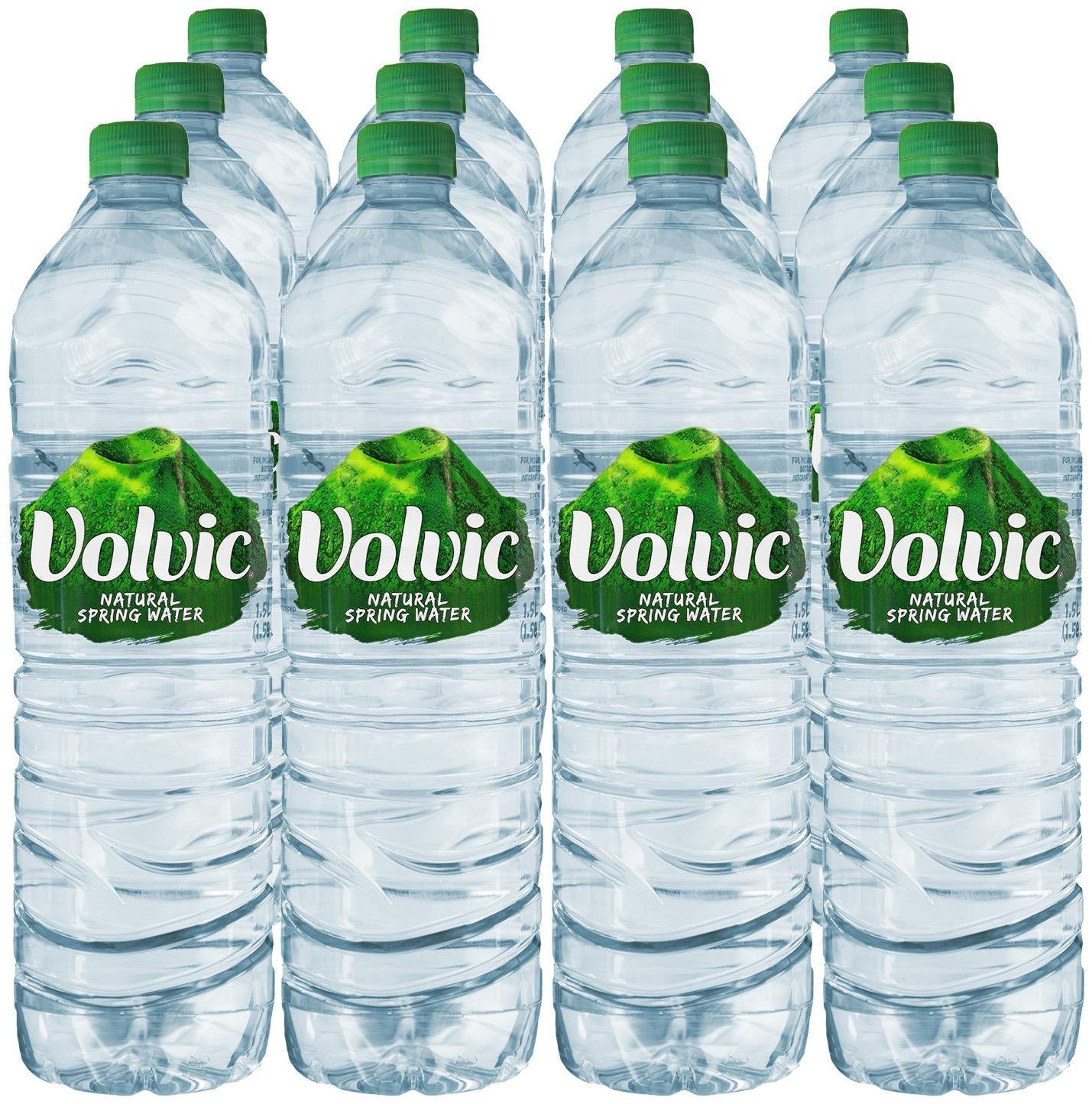
Germany boasts abundant clean and safe drinking water, unlike drought-stricken areas like Cape Town. However, I was surprised to find that bottled water is a common purchase in restaurants. If you ask for tap water, you’ll often be directed to buy an expensive bottle instead. In South Africa, requesting tap water is standard practice, and you don’t have to buy bottled water. There’s also a deep love for sparkling water which I do not understand because to me it tastes strange.
North Face Jackets: A German Style Statement
In Germany, North Face jackets are a ubiquitous sight. This outdoor brand has become synonymous with German style, reflecting a deep appreciation for functional, high-quality outdoor wear. While I initially found it surprising that hiking clothes are considered stylish, it’s clear that Germans have a unique sense of fashion that embraces practicality and durability. Despite Germany’s wide range of elegant coats and fashionable outerwear, North Face remains a top choice for many.
German Drinking Culture: Public Drinking and Legal Age
Germany’s drinking culture presents a stark contrast to many other countries. Here are some key aspects of German drinking customs:
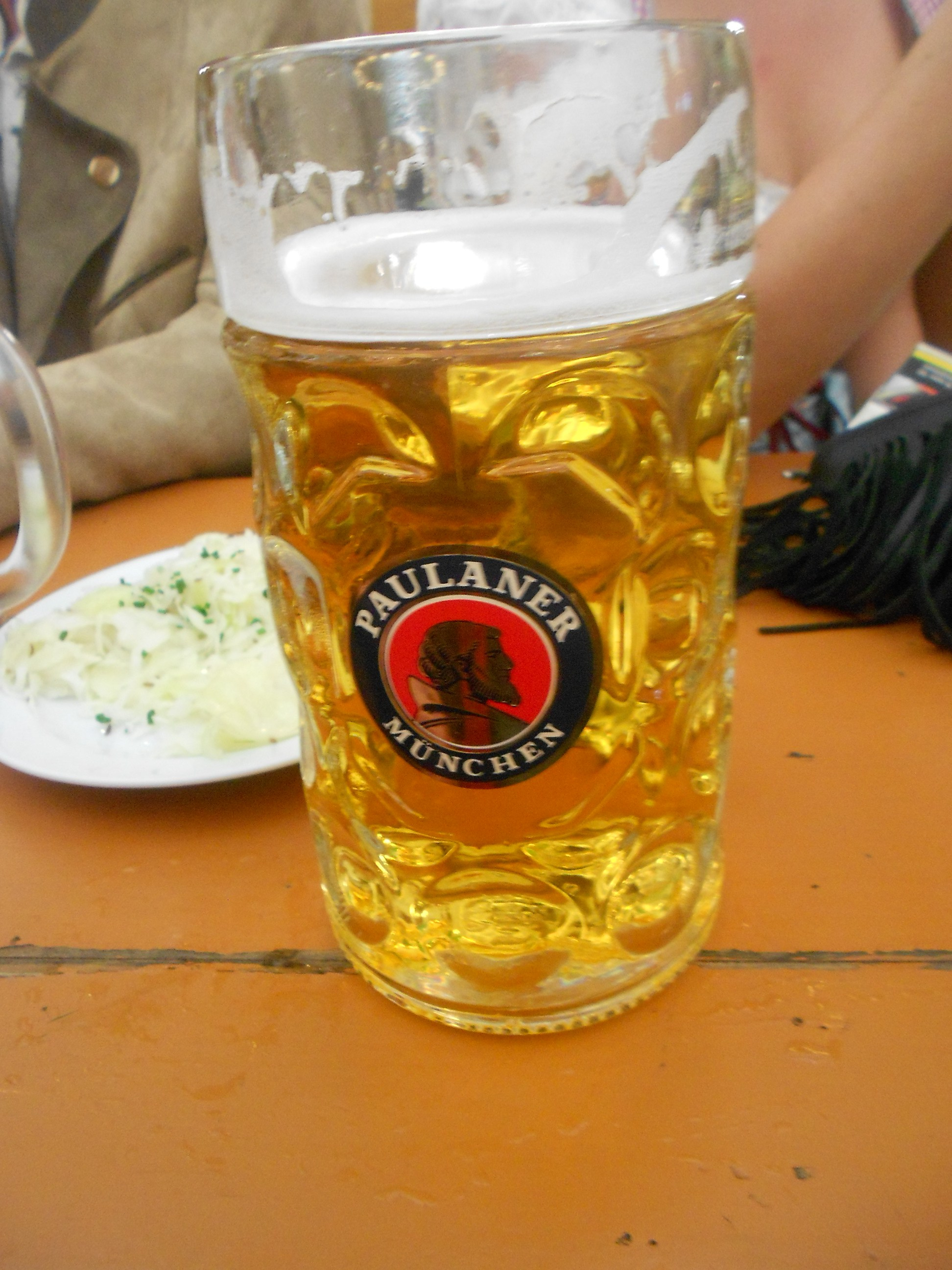
Public Drinking: In Germany, it’s perfectly legal to consume alcohol in public spaces such as streets and parks. This relaxed attitude towards public drinking is part of the country’s broader approach to alcohol consumption.
Legal Drinking Ages: Beer and wine can be enjoyed from the age of 16, while hard liquor is legally consumed from 18. This differs from places like South Africa, where the legal drinking age is 18 for all types of alcohol.
Drinking on Trains: The legality of drinking alcohol on trains varies by region. In some areas, it’s allowed, while in others, it’s prohibited.
Observations: I noticed some intriguing behaviours, such as business professionals drinking beer as early as 6 a.m., and university cafeterias serving beer. In contrast to South Africa’s stricter alcohol regulations and age verification, Germany’s more relaxed approach to alcohol is striking. It was unusual not to be asked for ID when purchasing alcohol, but it also highlighted how alcohol is integrated into daily life without stigma.
Tatort: Germany’s Longest-Running Crime Series
Tatort is Germany’s longest-running crime series, captivating audiences since its debut in 1970. Despite its extensive run and historical significance, opinions on the show vary. While exploring Zollverein in Essen, I was introduced to Tatort by a local coordinator. He mentioned that the series wasn’t particularly remarkable, which piqued my curiosity about why it continues to attract viewers.
Why Is Tatort So Popular?
Longevity and Tradition: Tatort has been a staple of German television for over five decades, making it a significant part of the country’s pop culture. Its long history contributes to its ongoing popularity, even if opinions on its quality differ.
Cultural Impact: The series has become an institution in German TV, influencing other crime dramas and becoming a shared experience for many viewers. Its enduring presence highlights the role of tradition and nostalgia in media consumption.
Regional Variations: Tatort features different regional teams solving crimes across various German cities, providing a diverse viewing experience that resonates with local audiences. This variety might explain why it remains relevant and widely watched.
Legacy and Adaptation: Despite critiques, Tatort has managed to evolve over the years, adapting to changes in society and television trends while maintaining its core essence

Hard bread
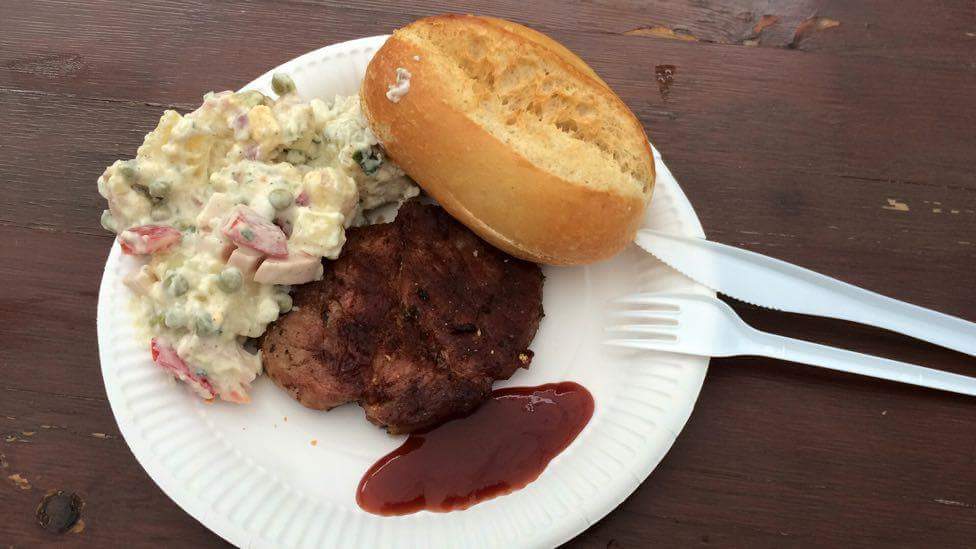
In Germany, hard bread and rolls are a common feature of the culinary landscape, prized for their dense, crusty texture. However, for those who wear dentures, this type of bread can be particularly challenging. Personally, I found this aspect of German bread difficult to handle, having once broken my dentures while eating an apple. With my incisors extracted, biting into hard foods is not only uncomfortable but potentially damaging. I have a preference for softer bread, like the kind my mom makes, which is easier to chew and more suited to my needs.
Pretzels
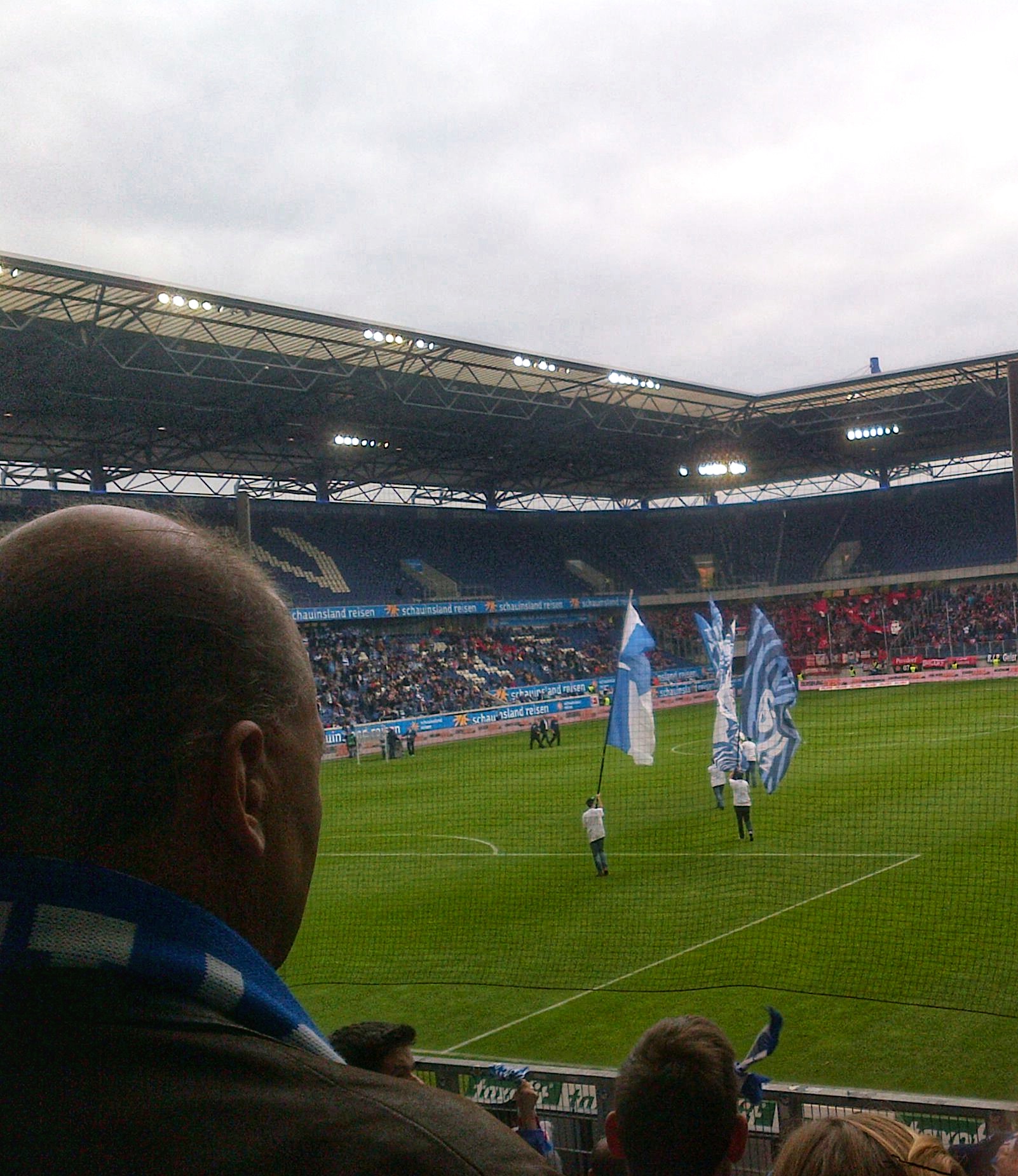
Pretzels are a popular snack in Germany, found everywhere from street vendors to soccer stadiums. During a trip to Duisburg, I had my first bite of a pretzel while attending a soccer match where Duisburg MSV was playing. Unfortunately, I was disappointed with the experience. The pretzel I tried was dry, tasteless, and resembled old bread. Despite seeing many people around me enjoying it as if it were a delicacy, I found it unappealing. This experience highlights how pretzels, while a beloved staple in German cuisine, can be an acquired taste, especially if you’re new to this traditional snack. Pretzels with mustard and other sauces are toppings are great but as a standalone snack it’s a bit tasteless.
Sarcasm and Humour in Germany: What Foreigners Need to Know
In Germany, sarcasm and humour can be quite different from what many foreigners are accustomed to. Germans often do not fully grasp sarcasm, and their sense of humour may seem unusual or confusing to outsiders. This cultural difference means that understanding and appreciating German humour can take some time. As someone who experienced this firsthand, I found it challenging to get used to the local comedic style, and I didn’t always fully understand it. If you’re visiting Germany or interacting with Germans, it’s helpful to be aware that their humour may not align with more familiar forms of sarcasm and wit.
No shopping Sundays
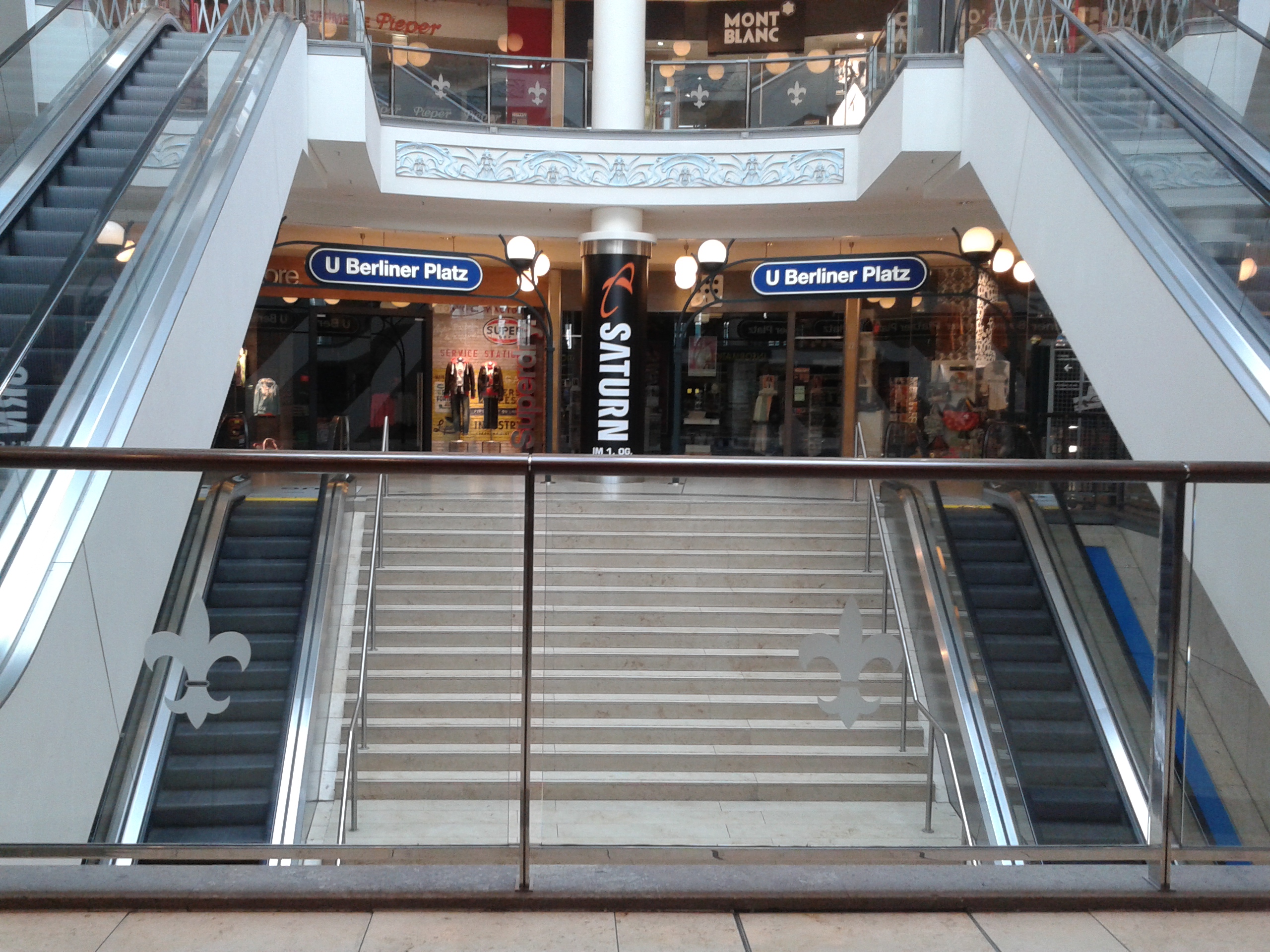
In Germany, shopping on Sundays is not an option as most stores are closed. Sundays are reserved as family days, and while some bakeries and restaurants remain open, retail shops stay shut. This practice contrasts sharply with South Africa, where shops typically open seven days a week. For visitors from South Africa, this will be a surprising adjustment. Saturdays are the peak shopping days, often resulting in crowded stores. Understanding this aspect of German culture can help you plan your shopping trips and avoid any inconvenience during your visit.
Relaxed Laws on Nudity in Germany
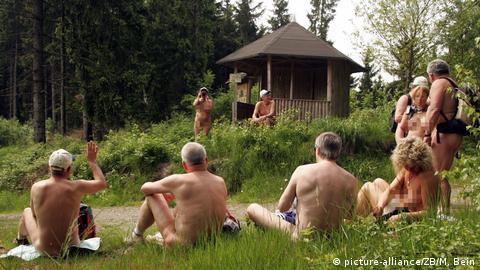
Germany has notably relaxed laws regarding nudity. For instance, it is completely normal to be nude in saunas, and you can find calendars featuring topless women in many stationery stores. Additionally, some regions even offer the unique experience of nude hiking. This open approach to nudity reflects a broader cultural acceptance of the human body in various public and private settings across the country.
Red Pepper-Flavored Chips in Germany: A Popular Snack
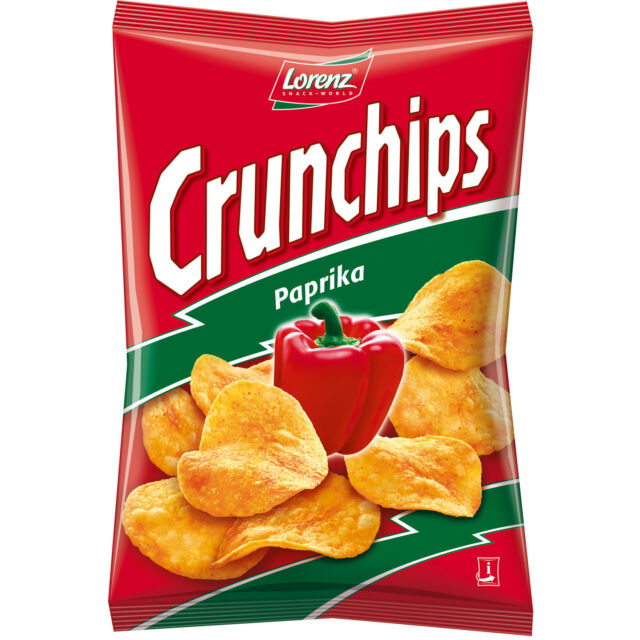
Red pepper-flavoured chips are a popular snack in Germany, found in nearly every store across the country. Despite my personal dislike for their taste, these chips are evidently a favourite among locals. Their widespread availability suggests that they hold a special place in German snack culture, making them a notable item for visitors to try.
The Stares
In Germany, it’s not uncommon for foreigners to attract curious stares. Many international friends shared similar experiences, and I too was frequently stared at. I suspect this attention was due to my distinctive South African English accent, which is rare in Germany, and my preference for wearing bright, bold dresses. In contrast, German fashion tends to favour more subdued colours like grey, navy, beige, and black, and the common attire includes jeans and sneakers. Unlike Cape Town, where cosmopolitanism is more prevalent and such staring is less frequent, I found the constant attention puzzling. However, I learned to ignore it and even addressed unfriendly looks with a smile, which often stopped the staring.
Police Presence During Soccer Matches
In Germany, soccer matches are accompanied by significant police presence to ensure safety. During a match I attended in Duisburg, the Hauptbahnhof (main train station) was heavily guarded by police in bulletproof vests and helmets, creating a scene reminiscent of a movie set. This extensive security is a precaution to prevent violence, as soccer-related altercations can be a concern. Additionally, beer served at stadiums is typically watered down to minimise intoxication—a measure not commonly seen in my home country, where soccer-related incidents are less frequent.
Graffiti everywhere
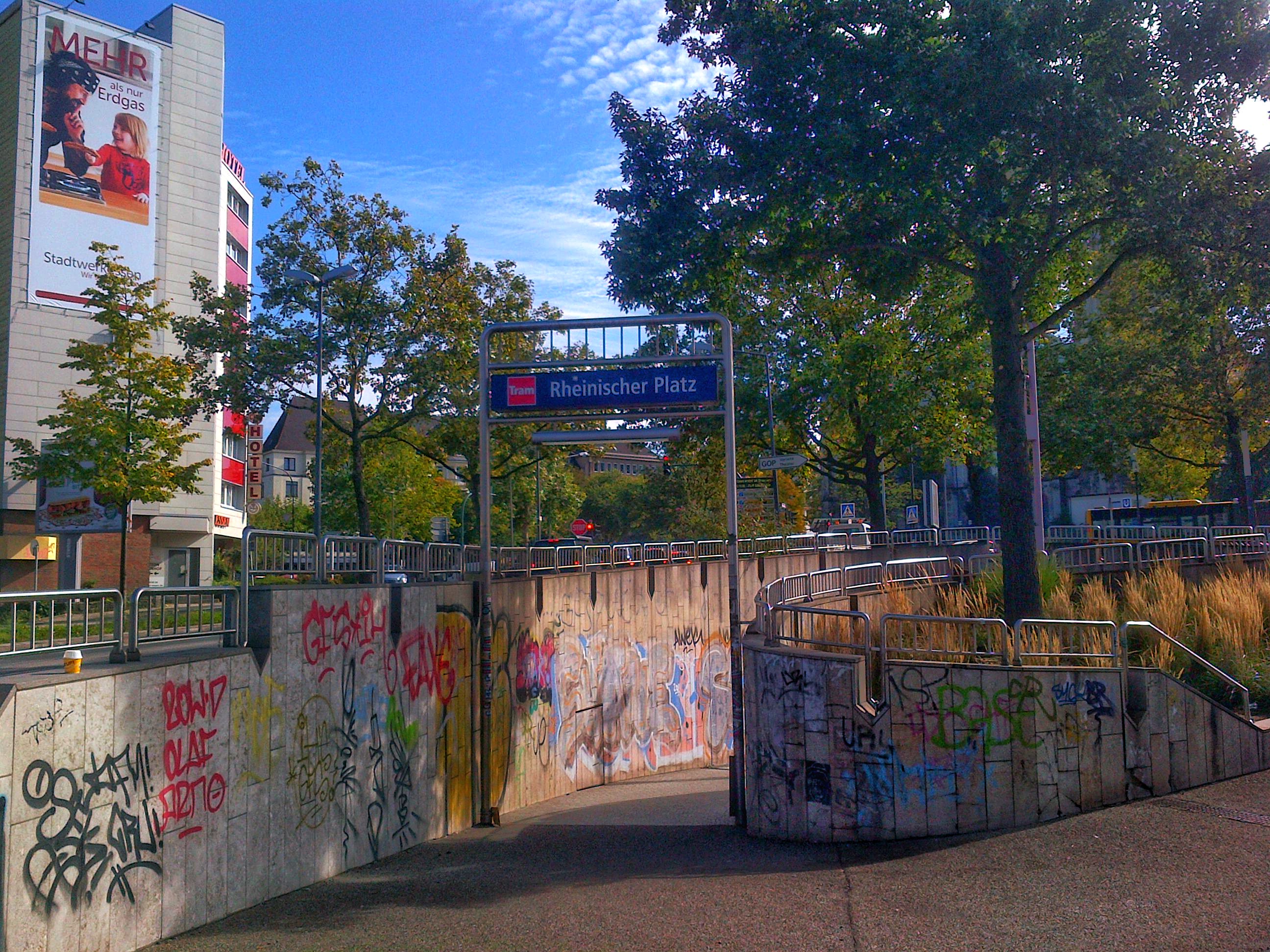
As someone from a developing country, I expected Germany to be cleaner and neater, but graffiti is more prevalent than anticipated. While graffiti art can be impressive, much of what I saw in Germany appeared as hastily done tags and scribbles. For example, the basement level of my university was covered in graffiti, a scenario quite rare in South Africa where basements are less common and graffiti on university buildings would be promptly addressed. This stark contrast in attitudes towards graffiti highlighted a cultural difference in how public spaces are maintained and perceived in Germany.
https://www.thelocal.de/20170606/the-dos-and-donts-of-nudity-in-germany
What have you found strange whilst traveling? Have you been to Germany? Let me know in the comments. Thank you for reading and please feel free to comment.


 Nikkidiscovers