
As someone who has recently started working for an organization dedicated to ending animal cruelty, I’ve been reflecting on how travellers interact with animals and how we can inadvertently cause harm. To ensure that when we can travel again, we do so in a way that benefits animals rather than harming them, here are some essential tips.
Do Your Research
Seeing images of people cuddling with lion cubs might seem adorable, but it’s important to understand the consequences. Petting lion cubs makes them accustomed to human touch, which can prevent them from surviving in the wild. These cubs are often taken from their mothers and become accustomed to humans, making them unsuitable for rewilding. In South Africa and other countries where lion petting is popular, these lions are often hunted once they reach adulthood on private properties. Similarly, tigers in Asia are abused and tranquillised to allow tourists to take photos, which breaks their spirit and subjects them to daily cruelty.
Understand Animal Behaviour
When observing wildlife, knowing natural behaviours can help you recognise signs of abuse. For instance, a lion pride with mostly adult males may indicate a problematic situation, as natural prides usually consist of more females.
Avoid Marine Parks
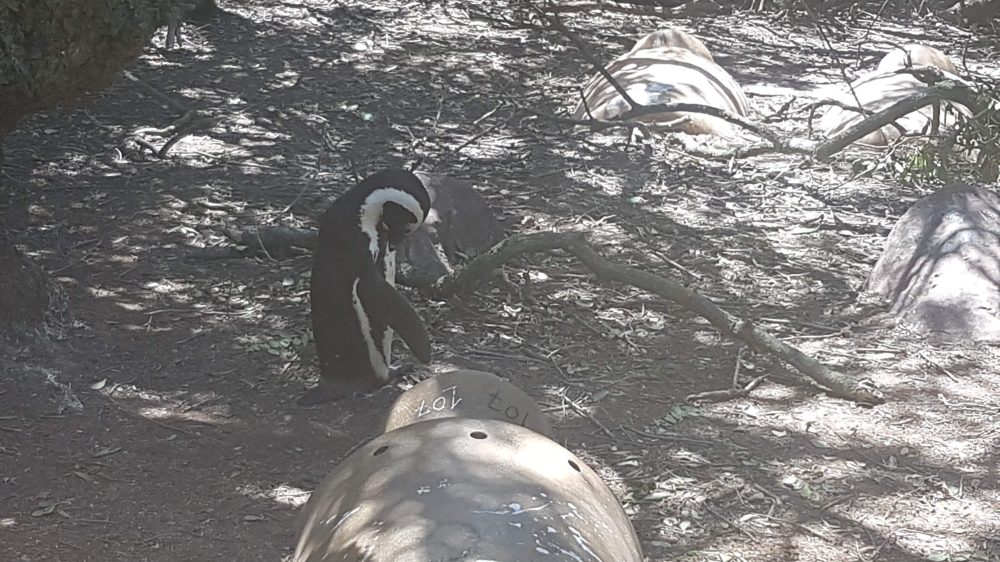
I once considered visiting Duisburg Zoo to see a dolphin show but ultimately decided against it. Dolphins and whales, which are often kept in captivity, suffer in confined spaces. Dolphins, like Flipper from the movie, can experience severe distress in captivity, leading to tragic outcomes. Instead of supporting marine parks, consider visiting places focused on rehabilitation and conservation, such as Boulders Beach in South Africa, where funds go towards penguin conservation.
Report Animal Abuse
If you witness animal abuse, report it to local authorities or organisations such as Network for Animals or the World Wildlife Fund. In South Africa, the SPCA is a key contact for reporting animal cruelty.
Be Cautious About Volunteering
When considering animal-related volunteer opportunities, be aware of organisations that may exploit animals. Look for ethical programs by researching through reputable sites like WWF, reading reviews, and checking for news articles about the organization. Alternatively, consider donating to credible animal welfare organisations. Find out more here: https://www.facebook.com/volunteersbeware/
Choose Ethical Safaris
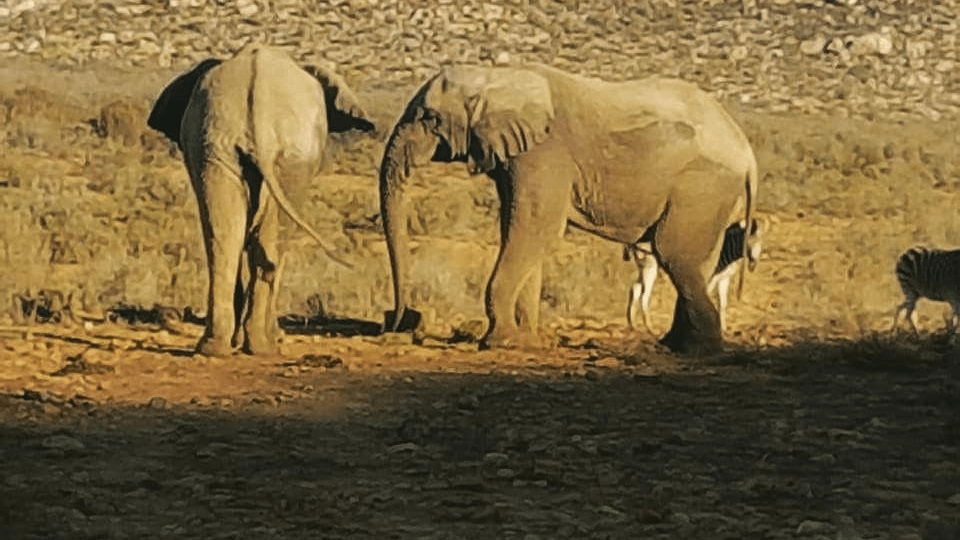
Opt for ethical safaris, such as those in Addo Elephant Park or Kruger National Park in South Africa. These parks support wildlife conservation and offer a respectful distance for observing animals, minimising stress and disturbance.

Support Local Businesses
Supporting ethical local businesses helps communities thrive without resorting to animal exploitation. This approach fosters sustainable development that benefits both humans and wildlife.
Avoid Harmful Souvenirs
Do not buy souvenirs made from animal products like ivory, fur, or shark teeth. These items contribute to the illegal wildlife trade. Instead, choose sustainable products such as local art, postcards, or other ethically sourced items.
Remember Animals Aren’t Attractions
Animals should not be treated as entertainment. Activities like bull running, performing bears, and elephant rides involve severe abuse and exploitation. Similarly, donkeys in Greece are often overworked and mistreated. Respect wildlife by observing them in their natural behaviour rather than as staged attractions.
Be Mindful of What You Eat
Avoid consuming endangered species under the guise of local cuisine. For example, in South Africa, crocodile meat is not common in local diets but are sometimes offered to tourists. Similarly, shark fin soup is a delicacy in Japan but involves the brutal slaughter of sharks. With increased awareness of wildlife and health risks, such as the link between pangolins and COVID-19, it’s better to choose sustainable food options.
Expose and Support
If you witness or learn about animal abuse, use social media to bring attention to it. Highlighting both the unethical practices and the positive work of organisations like SANCOB and SANPARKS helps promote responsible tourism and conservation.
Do Not Feed Wild Animals
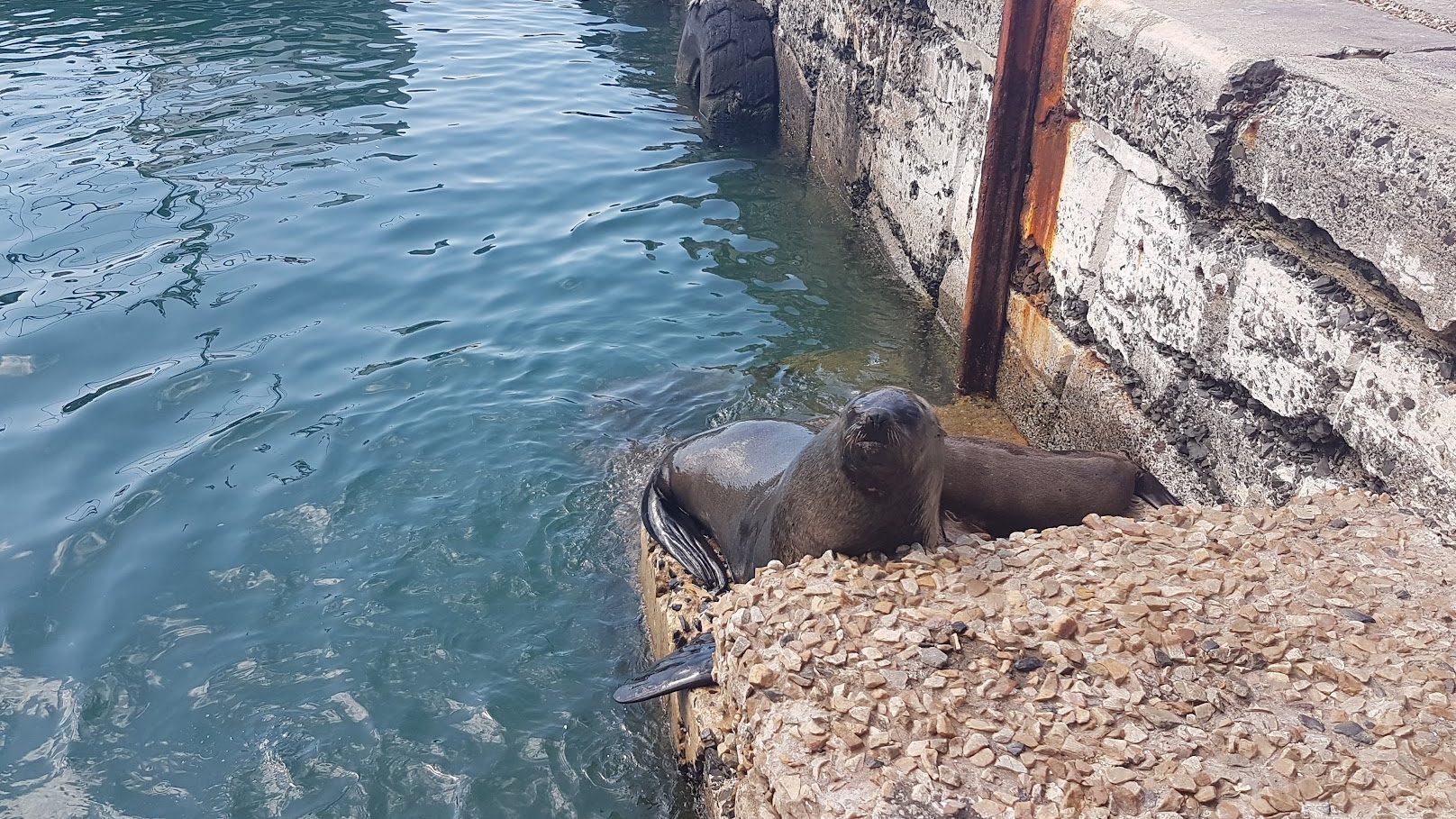
Feeding wildlife can lead to health issues and behavioural changes, making animals dependent on humans. For example, orangutangs have contracted illnesses from humans, and monkeys in places like Bali and Thailand often steal from tourists. Keep a safe distance and avoid feeding animals. Cape Nature talks about how seals should not be fee here: Cape Nature
Geotagging Awareness
When sharing photos of wildlife, avoid tagging exact locations to prevent poaching. Instead, provide a general location and verify with reserve staff if sharing specific details is appropriate.
Share Your Knowledge
If you’ve learned about ethical travel practices, share this information with others. Educating friends and family about the impacts of activities like lion petting, elephant rides, and tiger selfies helps promote responsible tourism.
Reduce Plastic Use and Avoid Littering
Minimise the use of disposable plastics by carrying reusable alternatives. Properly dispose of trash to prevent it from ending up in the ocean, where it can harm marine life.
If you can, don’t use disposable plastic as much. Carry your own biodegradable spoons and your own reusable straw. Also, don’t dump dirt all over. Throw it in bins instead of at the beach. Trash ends up in the ocean if it lies on the shore, where unsuspecting animals end up eating it, choking, and dying.

Thank you for reading, and feel free to share your thoughts in the comments.


 Nikkidiscovers
Wonderful advice!! Thank you for writing this.
LikeLiked by 2 people
Thank you my post actually went up even though it was a rough draft🤣 so you’re so kind
LikeLiked by 1 person
Agreed…
An eye opener for the selfish.
Thank you Nikki. 🤗
LikeLiked by 2 people
Thank you for taking time to read my post
LikeLiked by 1 person
Hi Nikki…
My daughter was deeply disturbed with her new knowledge. I reblogged you post not to disturb but to educate…
https://wp.me/p71F4D-1pz
LikeLiked by 1 person
Yes I was very shocked to had no idea about what was happening to the lion cubs till fairly recently. Thank you for reblogging I appreciate it 😊
LikeLiked by 1 person
Thank you Nikki.
I think back on the kiddies movies like Flipper and Free Willy and feel sad.
LikeLiked by 1 person
Yes we all loved those films but we didn’t know what was happening there are ethical zoos and wildlife sanctuaries but often animals are just caged in. It’s heartbreaking.
LikeLiked by 1 person