
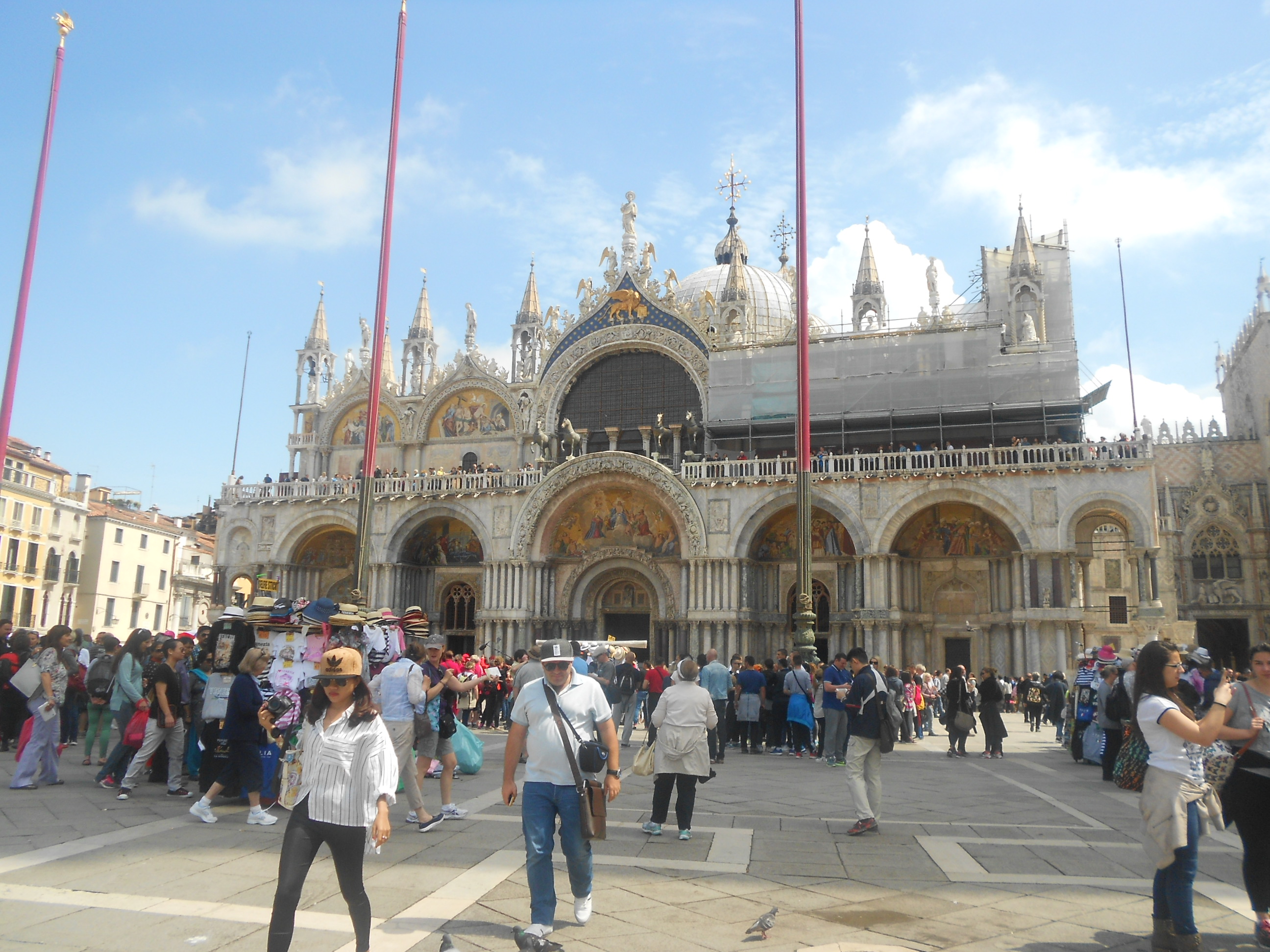
Venice hosts 30 million tourists a year, which floods the ancient city with massive foot traffic. The strain of so many visitors is clearly detrimental to a city that floats on water. I visited Venice in 2016, and it was my favourite city to explore in Europe. Despite my affection for the city, I noticed several concerning issues: overloaded trash cans spilling onto the ground and numerous tourist-centric stalls that detract from the city’s general aesthetic.
I was also fortunate to visit Amsterdam and Paris multiple times, both of which are known for attracting millions of tourists. Paris saw a surge in visitors in 2018, with forecasts estimating that the city would welcome 100 million tourists by 2020. This post will explore the issues of over-tourism and discuss how travellers can help combat these challenges.
The problems
Pollution
Venice faces a range of environmental issues beyond just overflowing bins. Air pollution is drastically increasing, exacerbated by the six cruise ships that visit the city daily. These ships contribute significantly to air pollution, with their engines running constantly even when docked. This pollution is causing damage to Venice’s historic buildings, many of which are made from limestone that disintegrates due to carbon emissions. Unfortunately, the European Union does not require cruise ships to use cleaner fuels, unlike other industries. Amsterdam also contends with pollution issues, including littered streets and tourists urinating in the canals. The city has responded with fines and a marketing campaign to educate tourists about proper behaviour. During my visit, I observed the unpleasant reality of this problem firsthand.

Unfair business practices
In Central Venice, overcrowded spaces make it difficult for locals to enjoy their city and result in long waits for travellers. Illegal free tours conducted by unlicensed guides undermine the business of registered tour operators. Additionally, some individuals rent out poorly maintained apartments or even empty shop windows to unsuspecting tourists. Check out the video at the end of this post for examples.
Gentrification
Gentrification is displacing local residents as increased development raises rents beyond what locals can afford. This trend is evident in Venice, where approximately half of the population has moved elsewhere. Landlords prefer renting to tourists for higher returns, exacerbating the housing crisis. Similarly, in Amsterdam, high demand has led to exorbitant rents and absurd conditions, such as apartments where cooking is prohibited despite having a kitchen. In response, grassroots squatting groups have emerged, fixing up abandoned homes and occupying them without city permission. I previously wrote about gentrification in Cape Town’s Bo-Kaap, where locals are forced out as homes are converted into hotels. Gentrification admittedly leads to development but the development is not sustainable and does not benefit locals.
Unruly tourists
Noise complaints from locals are common in Venice and Amsterdam, particularly in areas with high tourist activity. In Venice, incidents of tourists engaging in public sex and filming it have been reported. In Cape Town, similar behaviour made headlines when a couple was filmed having sex at Signal Hill. Such incidents not only disturb locals but also tarnish the city’s reputation.
Massive crowds
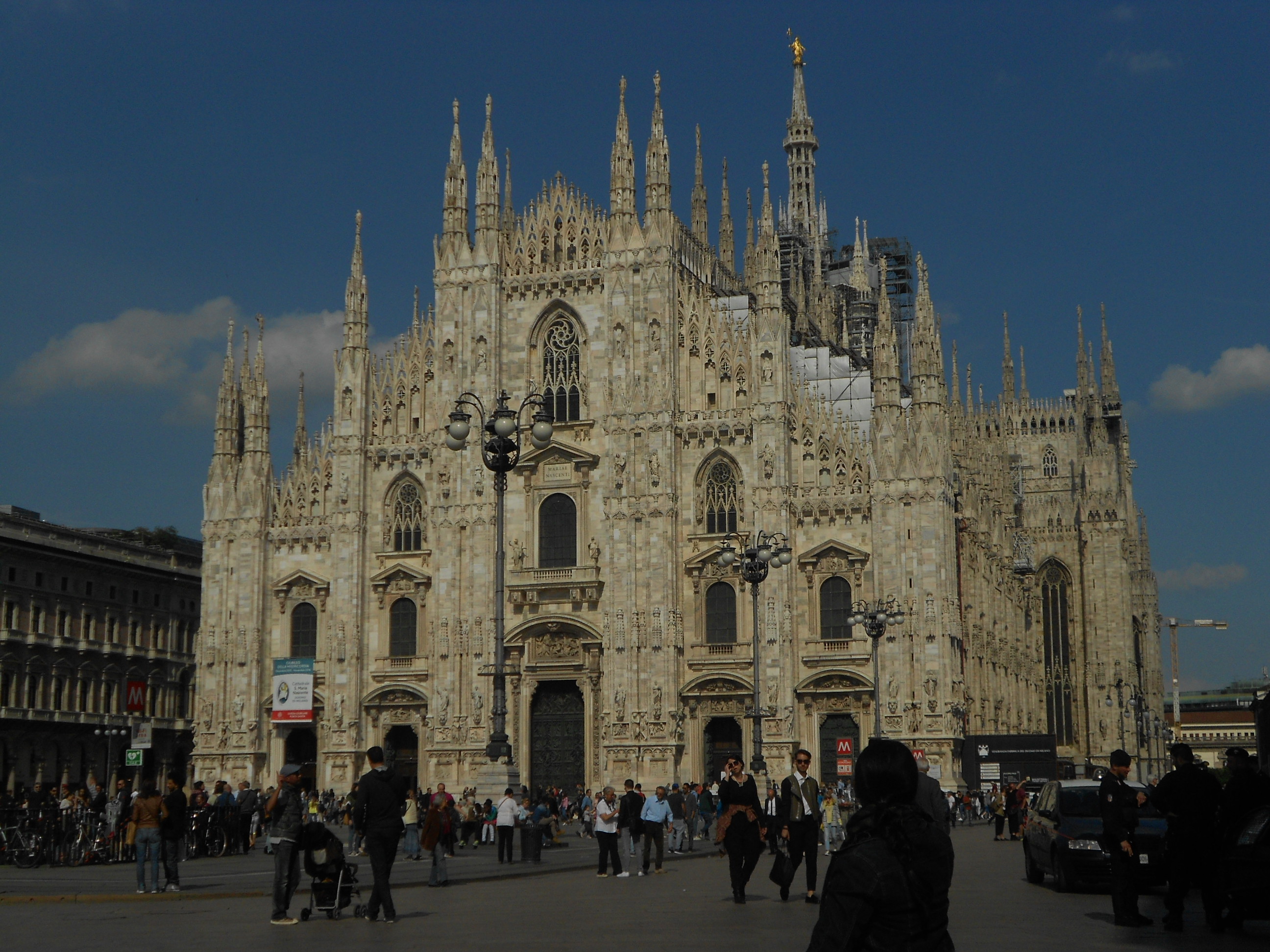
The sheer volume of tourists can detract from the experience of visiting popular destinations. Paris, currently the most visited city in the world, can be overwhelming, as I experienced firsthand when tourists blocked my view at the Louvre. Milan’s Duomo was similarly crowded, making it challenging to enjoy the sights.
The possible solutions
Off the beaten track
Taking a trip to a place that isn’t that popular is becoming a trend in itself. More and more tourists want to go to cities that are off the beaten track. Instead of going to Brussels, check out Ghent; instead of Amsterdam, admire the canals of Utrecht. I wanted to see Gravelines and Lille in France and didn’t get to go. Because I realised that there’s more to France than Paris, and I ended up seeing Laval, Fougeres, and René due to my curiosity about what France has to offer.
Out walk and outlast
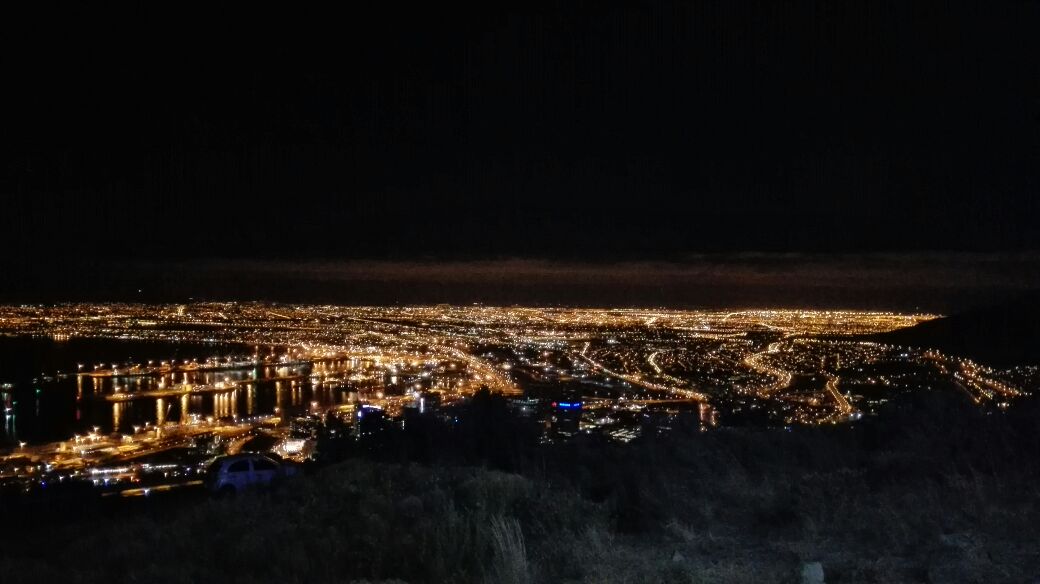
Even in cities that are full of people walking, it can make a big difference. If you walk past the square at Pisa, you will find other spots. Little cafés, cobblestone streets, there’s a vineyard, and so much more in Pisa. Signal Hill in Cape Town is less crowded than Table Mountain, even though it’s easy to drive to. This means that if you keep walking or travelling to these places, you won’t be caught up in a jam-packed tourist hotspot the whole time whilst travelling.
Close to the popular city
Travellers are also wanting to explore cities that are close to the more popular cities. So instead of staying in Cape Town throughout their trip, travellers to my region are now going to smaller places such as Arniston, Hermanus, Ceres, etc. This means that travellers to Pisa would also go to a less buzzing place, such as Bologna, for example. Exploring in this way thins out the crowds at the popular spots.
Off season
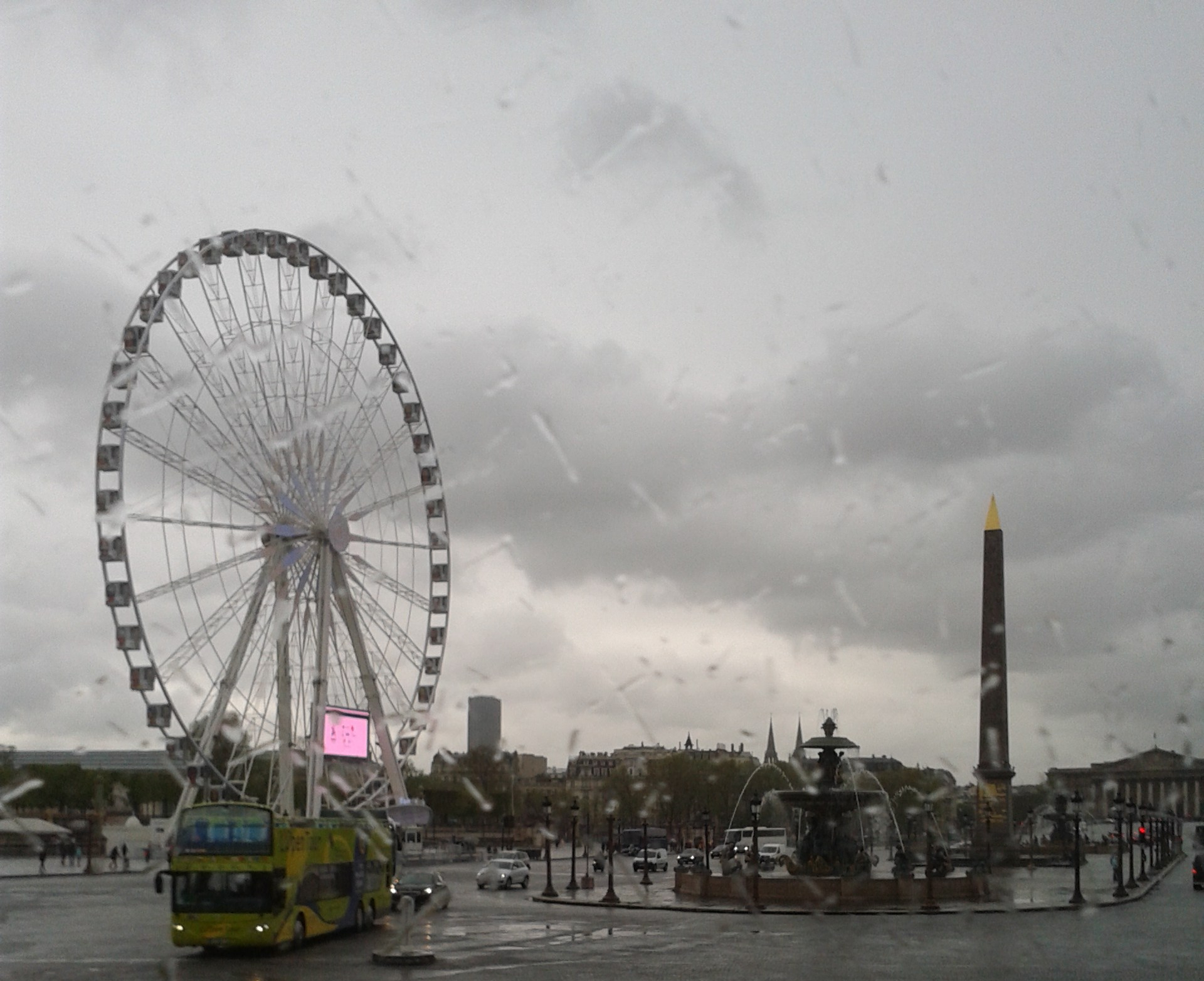
Winter is the new summer; travelling in the off season has always been done by budget travellers. This cost-effective method of travelling seems to be spilling over now. If you choose to see Paris in the rain, you just might get to be enthralled by the gloomy clouds and lack of lines like I was. The first time I visited Paris, I only had one day to do what I wanted to, and I got to see everything and more that was on my list. Chasing the sun isn’t always the way to go, especially if you are going to a place known for pulling in the summer masses. I’ve heard that Venice in winter is much more emptier, so mix up your trips to include winter breaks and pack your coat, gloves, beanie, and scarf.
Eco-friendly travelling
Eco-friendly travel seems to be another travel trend. Thankfully, this is a positive; more and more tourists are realising that they should take care of the environment. This means not using plastic utensils when eating out, refusing straws with drinks, using biodegradable toiletries, and being aware of how animals are treated at elephant parks. It may also mean booking with a tour company that is eco-friendly. This one can be tricky if your budget is tight, but it doesn’t cost money to throw your trash in a bin instead of on the streets. There’s now no eating on the street in Florence, Italy, because people were throwing food wrappers around. You have to be creative too; at times, carry a bag for trash with you in case of overflowing bins and dispose of your trash when you can. If there’s a will, there’s a way. Each of us as travellers has a responsibility to take care of the earth even more so because we represent our respective countries when we travel.
Be a responsible traveler.
Which brings me to my next point: being an eco-friendly traveler is part of being a respectful traveller. I have written on “how to be a respectful traveler” before, so I won’t dwell on this topic. But, to sum it up, it means that you shouldn’t be a jerk. You should research the culture of where you are going. And then try to follow the conventions out of respect as much as you can. Be kind, friendly, and helpful. Don’t alienate the locals, and be yourself. Try to support local businesses; this will help stimulate the local economy and make you a rock star. Also, don’t look down on people because they are living in less developed circumstances. I’m sounding like a hallmark card, I know. I just can’t stress enough, though, that sending out positivity brings back positivity your way.
Connect with locals
Sometimes this can be a tough one. Getting to know people in your travel destination and again treating them with respect can lead to amazing friendships. It also has the bonus potential of showing locals that travellers are wonderful people who are interested in their city. I was blessed that I had or made local friends in France, the Netherlands, and Germany.
Sources used:
DW YouTube: Is tourism harming Venice?
The Guardian: ‘No cooking in the kitchen’: disbelief at Amsterdam rental flat rules
Airbnb newsroom: Airbnb, ready to collect the tourist tax in Spain
The culture trip: Which Overcrowded Country Has All the Tourists Flocking?
The Guardian: ‘Amsterdammers v tourists: ‘It’s worst when they throw up in your plant box
Thank you for reading, and I hope you liked this post. If you have any suggestions, please do let me know. I love hearing from my readers.
Happy travels!


 Nikkidiscovers
Off season is a good way to go. In 2017, we went to Glen, Zion, Bryce, Antelope and Grand Canyons. The crowds were virtually non-existent and hotels were 1/3 the price they are at peak. The trip we just completed across Canada this past Sept/Oct was also off peak. We were able to connect with many locals and do less touristy things like hiking or just wandering. I am not a big fan of huge, unruly crowds and this is what seems to happen during the prime travel months of Spring Break and summer. Another good holiday choice can be a Staycation, where you actually immerse yourself in and become a tourist in your own city. Thanks for sharing. Allan
LikeLiked by 2 people
Staycations can be great but I’m living in a tourist hotspot city so during peak season my city is packed. Glad to hear that you had a enjoyable off season trip. I need to keep in mind spring break when I do have the chance to visit the USA and Canada is on my list of places to visit too. Thanks for sharing your experiences they will help me avoid the crowds too hopefully.
LikeLiked by 1 person
Thoughtful post, as always. 💕
LikeLiked by 1 person
Thanks alot once again for your comment 😊🤗❤️
LikeLiked by 1 person
Excellently written Nikki. Love your blog you do great work.
LikeLike
Thanks I still feel like I’m preaching when I write this kind of post. Getting on my soap box, glad you liked it.
LikeLiked by 1 person
I’m all for eco friendly travelling and I love small towns and places off the beaten track. It’s a shame that some tourists are so rude and inconsiderate. Following you on Instagram – 4thejoyofit. 🙂
❤️carmen
LikeLiked by 1 person
Following back and thank you for your support it means a lot
LikeLiked by 1 person