
Today marks the official opening day of Oktoberfest! As the festival kicks off, revellers will raise their glasses and cheer with a hearty “Prost!” They’ll make sure to look each other in the eye to avoid the superstition of seven years of bad luck, and crossing arms while toasting is strictly avoided to prevent perpetual bad luck. While Oktoberfest is renowned for its beer, it’s more than just a beer festival. If you’re curious about why Oktoberfest beer looks darker and want to delve into its history, this post will answer your question
Purity laws
In Germany, all beer must adhere to strict quality standards known as the Reinheitsgebot, or Beer Purity Law. Established in 1516, the Reinheitsgebot dictates that only barley, hops, malt, and yeast can be used in brewing beer. This stringent standard ensures the quality and authenticity of German beer. The beer served at Oktoberfest complies with these regulations and is specifically brewed for the festival.
Märzen Beer
Oktoberfest beer is categorised as Märzen, a type of beer known for its darker and more robust flavour compared to other beer varieties. Märzen typically contains around 6% alcohol. This style of beer originated in Bavaria, the region where Munich is located, during the 16th century. Josef Sedlmayr, recognising the rising popularity of lighter beers, developed a Vienna-style lager in response. By 1871, he had perfected the recipe, brewing it in March of 1872. The name “Märzen” refers to the month in which the beer was traditionally brewed before the advent of refrigeration. Brewing in March allowed the beer to mature throughout the summer, making it ready for consumption by late autumn or early winter, just in time for Oktoberfest.
Josef Sedlmayr: The Pioneer Brewer of Oktoberfest
Josef Sedlmayr’s Märzen beer was first served at the Oktoberfest in the Schottenhamel tent by Michael Schottenhamel, a carpenter from the Palatine region. Schottenhamel initially set up a small barn at the festival grounds. Märzen beer quickly gained popularity due to its distinct taste and higher price, leading other brewers at Oktoberfest to adopt the style. Today, Märzenbier remains the signature beer of Oktoberfest. The Schottenhamel tent is still a key part of the festival, where the mayor of Munich officially opens Oktoberfest with the ceremonial toast “O’zapft is!” (It is tapped).
The Six Oktoberfest Breweries
At Oktoberfest, only six breweries are permitted to serve beer: Paulaner, Spaten, Augustiner, Hofbräu, Hacker-Pschorr, and Löwenbräu. With 30 different tents to explore, each offering a unique experience, it’s worth noting that I haven’t yet covered all the tents—I’ll share more about them in 2024. From the pictures I’ve seen, each tent has its own distinct atmosphere, and I hope to revisit Oktoberfest in the future to experience more of them.
The Strength of the Beer Maids
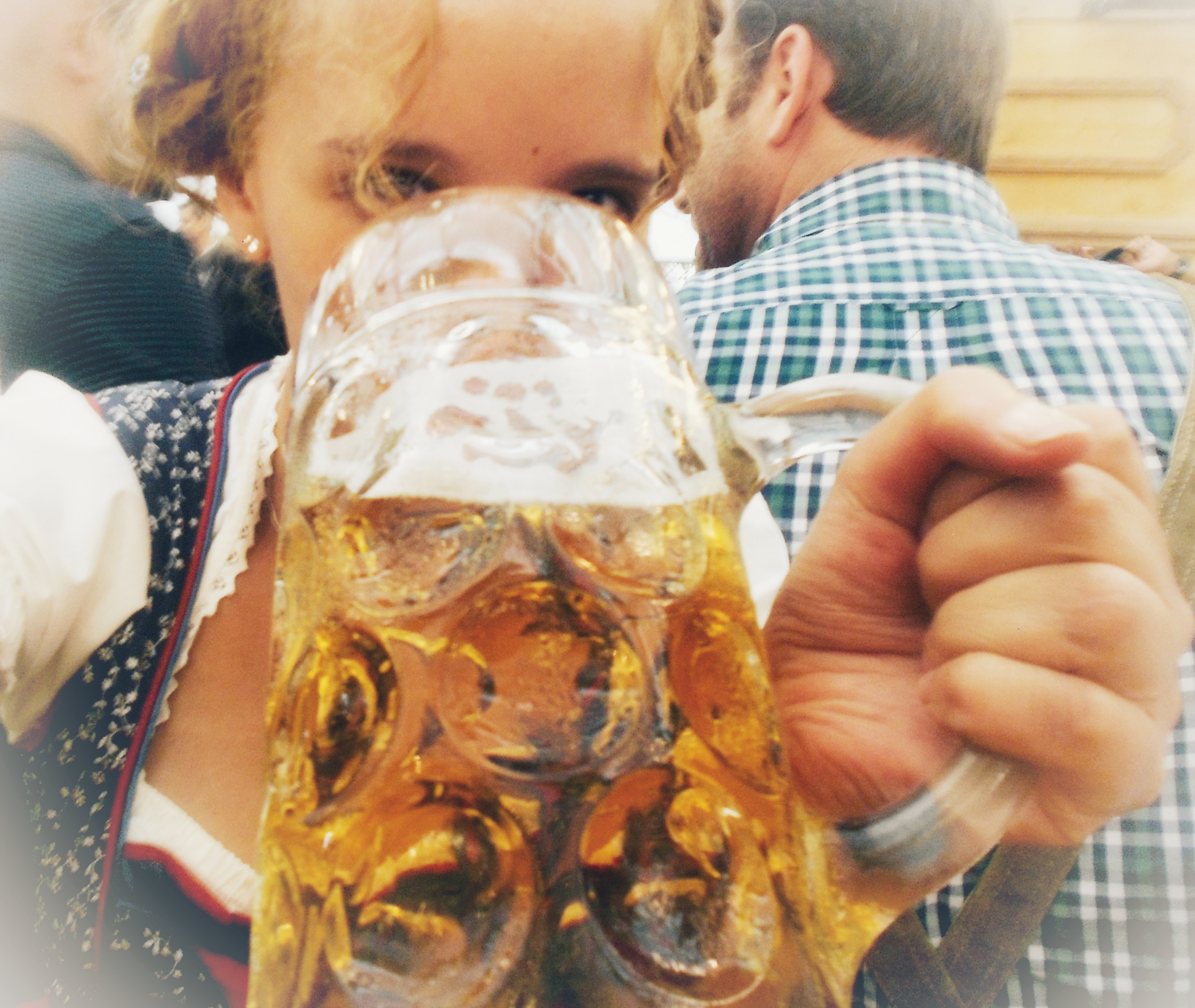
Oktoberfest beer is served in a large mug known as a Maß, which holds one liter of beer. I was amazed by the strength of the beer maids, who effortlessly carry multiple Maß jugs at once without spilling a drop. If you visit the Wine Tent (Weinzelt), beer is served in regular-sized glasses. The incredible skill and strength of the beer maids are truly impressive.
Sources Used:
Thank you so much for reading! I truly appreciate your time and interest in my blog. Feel free to leave a comment—I love hearing from readers and fellow bloggers. If you’re interested in collaborating online, please drop me a message or email. I hope you enjoyed this post.
Wishing you happy travels!


 Nikkidiscovers