
Trigger Warning: This post discusses nudity and the depiction of penis size in ancient sculptures. If this topic offends you, please feel free to skip this post and check out some of my other content.
It’s fascinating to note that many ancient statues feature relatively small penises, which might seem surprising given our modern cultural emphasis on larger is better. Driven by curiosity, I dove into some art research to uncover the reasons behind this artistic choice. As someone who loves art but isn’t a professional, I was intrigued to discover why these sculpted gods and godlike figures didn’t sport the larger manhoods we might expect. In this post, I’m excited to share what I learned.
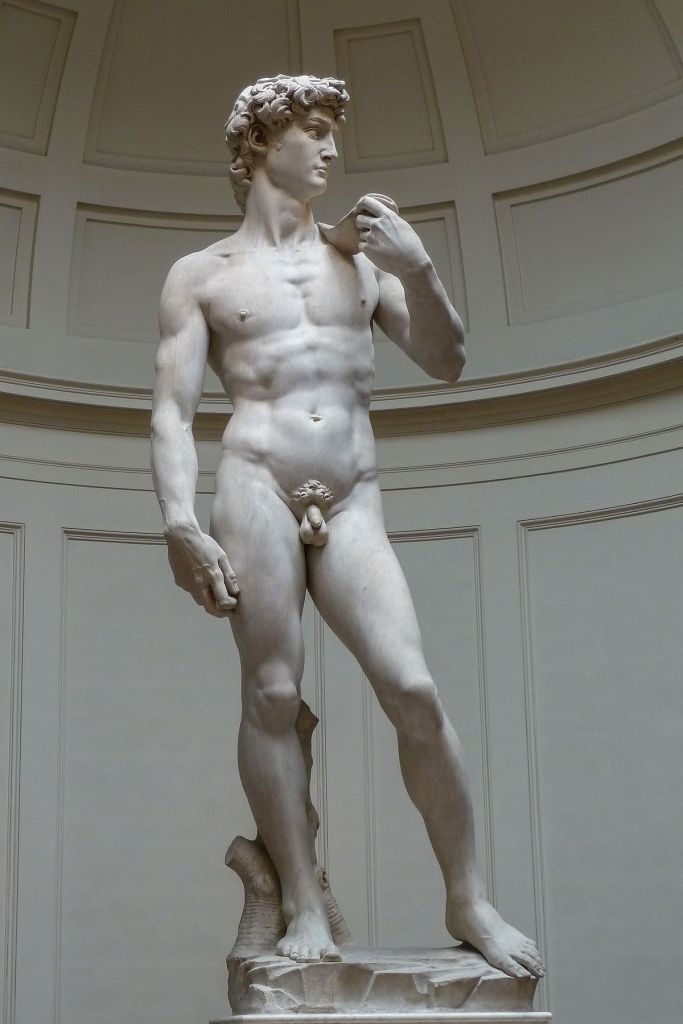
Firstly, it’s important to recognise that the penises in these sculptures are depicted as flaccid, and thus, they reflect a biological reality rather than an exaggerated ideal. According to Oredesson (2016), “they’re flaccid. If you compare their size to most flaccid male penises, they are not significantly smaller than real-life penises tend to be.” But the story doesn’t end there.
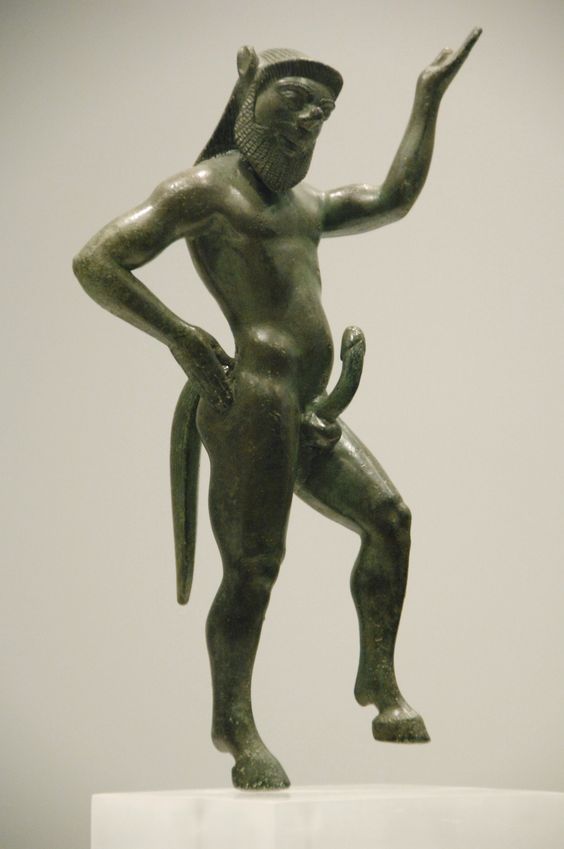
In ancient Greek culture, having a large penis was actually seen as a negative trait. Unlike in many other cultures where a large penis symbolised virility and masculinity, Greeks viewed it differently. As Gotthardt (2018) explains, “The penis was never a badge of virility or manliness in ancient Greece, as it was with other cultures.” Instead, large penises were associated with lustfulness, stupidity, and moral shortcomings.
In ancient Greek society, a large penis symbolised a lack of self-control and intellect. The Greeks believed that those with big penises were unable to control their desires, which was considered a sign of moral and intellectual deficiency. This stereotype extended to portrayals of enemies, satyrs, and comedic characters, who were often depicted with exaggerated genitalia to underscore their negative traits. For example, in Greek comedy plays, foolish or debased characters were frequently depicted with oversized penises. Similarly, Egyptians, who were long-time rivals of the Greeks, were often shown with large penises as a way to emphasise their perceived barbarism or ignorance (Gotthardt, 2018).
When it came to depicting heroic or divine figures, the Greeks sought to represent an idealized form of human perfection. These statues aimed to embody qualities such as rationality, self-control, and moral integrity. As a result, the sculptures avoided including features that might suggest a lack of control or intelligence, which would have been implied by a larger penis. Instead, the smaller, flaccid penises in these artworks helped maintain the idealised image of Greek gods and heroes as paragons of virtue and wisdom.
In summary, the small penises of ancient Greek sculptures reflect cultural attitudes and artistic choices rather than anatomical accuracy. The Greeks’ perspective on the symbolism of genital size was intricately tied to their values and social norms, emphasising the ideal qualities they sought to portray in their art.
Sources:
Gotthardt, A. (2018). Why Ancient Greek Sculptures Have Small Penises. Retrieved from Artsy
Admin. (n.d.). Penis Size in Classical Art. Retrieved from Penis Sizes
Goldhill, O. (2016). Why Do Greek Statues Have Such Small Penises? Retrieved from Quartz
Thank you for reading my blog! I’d love to hear your thoughts and feedback, so feel free to leave a comment.
Wishing you happy travels!


 Nikkidiscovers
This is so very interesting. The title was enough to peak my interest and make me read further. Thank you for the information. Now I can view nude sculptures with a much more well-rounded understanding. Great post. Loved it.
LikeLiked by 1 person
Your comment is so kind thanks for that. It took me a while to come up with the title. Now when you are travelling and a fellow traveller asks you related questions you will be able to answer them. Glad to be able to share this information with you. And thanks again for your support.
LikeLike
Very good. I heard this recently elsewhere but great to see a written piece on it.
LikeLiked by 1 person
Thanks for the feedback 😃
LikeLiked by 1 person