
Back in 2012, when I was interning for the Catholic Parliamentary Liaison Office (CPLO), I was still a broke student navigating my very first “real” job. I didn’t have much money.
So when we hosted staff from various Catholic relief organisations and I was asked to help lead a delegation to Robben Island, I felt both honoured and extremely lucky. Tickets for locals can be expensive, and at the time I couldn’t have afforded the trip myself. Having my ferry ticket covered was a small miracle I will never forget.
The Ferry Ride
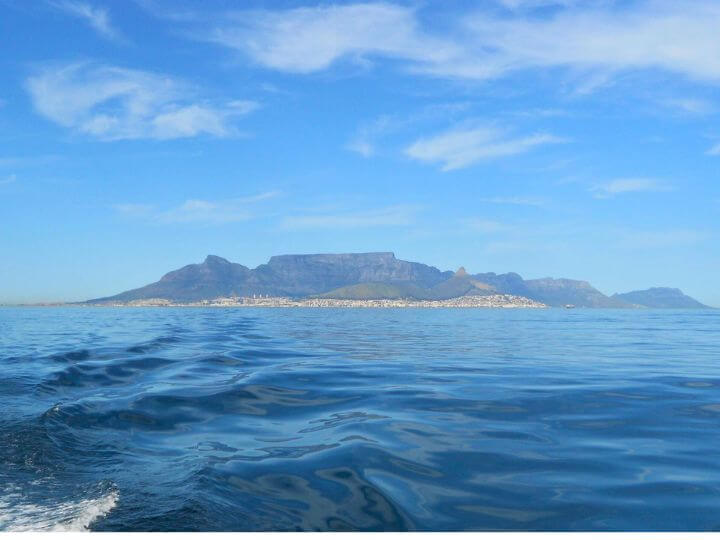
I’ve always loved boat trips, so the moment we stepped onto the ferry I was buzzing with excitement. The weather was perfect it was a crisp autumn day with clear skies. Table Mountain loomed majestically behind us. The ferry had an open deck, and I spent most of the ride outside, watching the bright blue water shimmer beneath us.
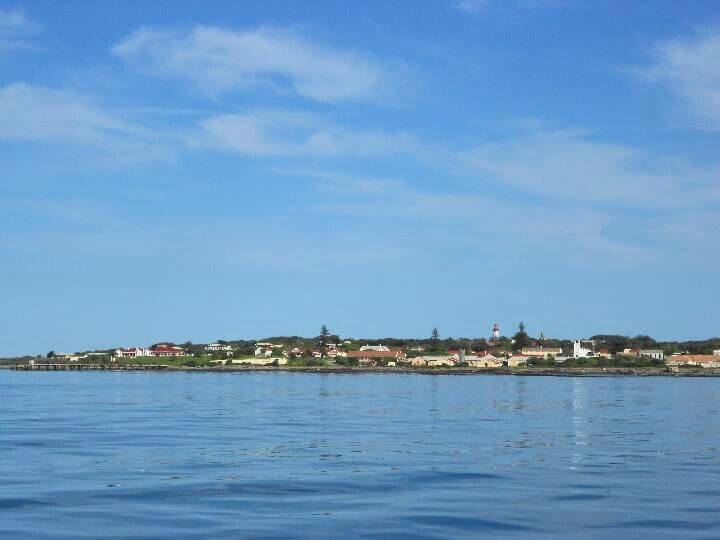
The group consisted of people from South Africa, Italy, Kenya, São Tomé, and more we were in high spirits. Thankfully, no one got seasick, and the calm water made the ride feel serene. As we approached the island, I spotted a lighthouse and a few scattered buildings, and I couldn’t help thinking about the incredible history contained in this small island.
Arriving on the Island
Once we docked, we boarded large tour buses that took us past the old quarry and through the island. To visit Robben Island yourself, the ferry departs from the Nelson Mandela Gateway at the V&A Waterfront in Cape Town. A standard tour includes the ferry ride, a bus tour around the island, and a guided walk through the former prison. This includes the maximum-security block and Nelson Mandela’s cell. The entire experience takes about 3.5 hours, and it’s essential to book your tickets in advance, as tours are dependent on both weather and demand.
The quarry which we passed had been used for hard labour by political prisoners under extreme conditions scorching heat, freezing rain, and wet winter days. Seeing the empty quarry today, it was almost impossible to imagine the suffering that once happened there.
Our guide was a former political prisoner, which added an emotional weight to the stories we heard. Standing there, listening to someone recount their own experience of imprisonment, made the history tangible in a way no textbook ever could.
Mandela’s Cell
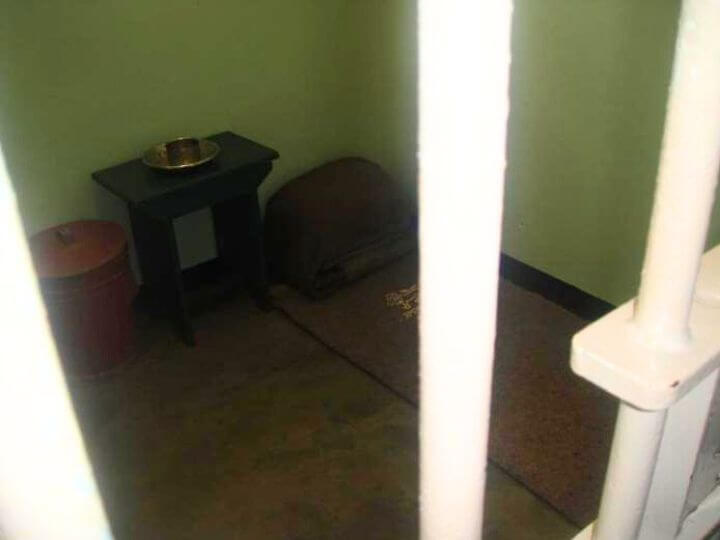
The highlight and most sobering moment was entering the now-defunct prison to see Nelson Mandela’s tiny cell. One thin blanket, bare walls, a small barred window. It’s almost impossible to describe the emotional impact of seeing the space where someone endured 27 years of imprisonment for fighting for freedom.
It was incredibly moving, and I remember feeling very sad.
The Journey Back
The ferry ride back was just as beautiful. The weather stayed perfect, the water calm, and Table Mountain slowly reappeared in the distance. When we disembarked, there was the option to purchase a professional photo. My friend from Kenya generously covered mine, which I later paid her back for. That framed photo still sits in my home today, a small memento of an unforgettable day.

Me on the ferry reflecting on an unforgettable historical journey.
Tips for Visiting Robben Island
Whether you’re a first-time visitor or returning to Cape Town, here are a few practical tips:
- Book your ferry early: Tickets often sell out, especially in peak season.
- Book directly using the link: Robben Island Tour Booking . Booking a Robben Island tour through a third-party travel company or tour operator costs more than booking directly through the official Robben Island website
- Bring a jacket: It can get windy on the open deck.
- Arrive early: Tours, including the ferry ride and bus tour on the island, take around 3–4 hours.
- Photography: Photos are allowed outside. The official group photo is optional.
- Budget tip: If you’re on a tight budget, you can take your own photos and again book through the offical page not through a third-party operator.
Looking back, what I love most about this memory is how unexpected it was. I was young and living on a student budget, yet I got the chance to experience one of South Africa’s most important historical sites.
It reminded me that sometimes the opportunities we think we can’t afford or don’t “deserve” end up shaping us the most.
Have you been to Robben Island or are planning your visit? Share your thoughts in the comments! And if you’re looking for more ideas on what to do in Cape Town, check out my guide to free things to do in the city


 Nikkidiscovers