
The Cologne Carnival, one of Europe’s largest and most renowned festivals, isn’t just about wild costumes, parades, and parties. At its core, it’s a time-honoured celebration of freedom, satire, and community. During this time, the rules of daily life are set aside. Revelers embrace a world of uninhibited fun and self-expression. How did this festival, which has been a fixture in Cologne for over two millennia, become the extravaganza it is now? How did it evolve over the years? And what keeps its rebellious spirit alive in the modern age?
A Tradition with Ancient Roots
The origins of Cologne Carnival trace back to Roman times when the city was part of the Roman Empire. It started in 1823. Back then, the festival was a way to honour Dionysus, the god of wine, revelry, and liberation. The Romans celebrated with feasts. They indulged in drinking and let go of societal norms. This was an early version of what would become a cultural tradition of excess and freedom.
Fast forward to the medieval period, and Cologne Carnival began to take on more distinct forms. The tradition became more Christianized as it aligned with the pre-Lenten celebrations leading up to Ash Wednesday. This is a time of reflection, penance, and sacrifice. This evolution connected the carnival to the idea of escaping daily life’s rigid structure. It also served as a release before the somber period of Lent began.
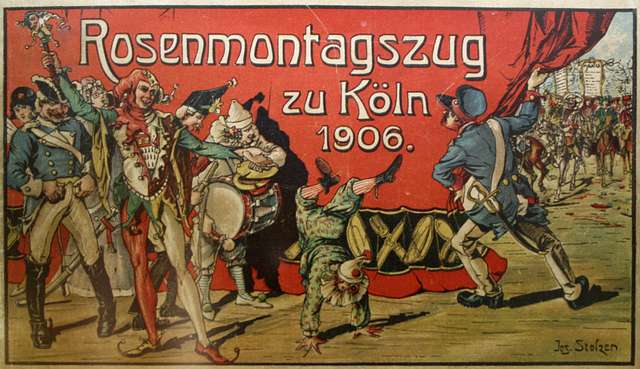
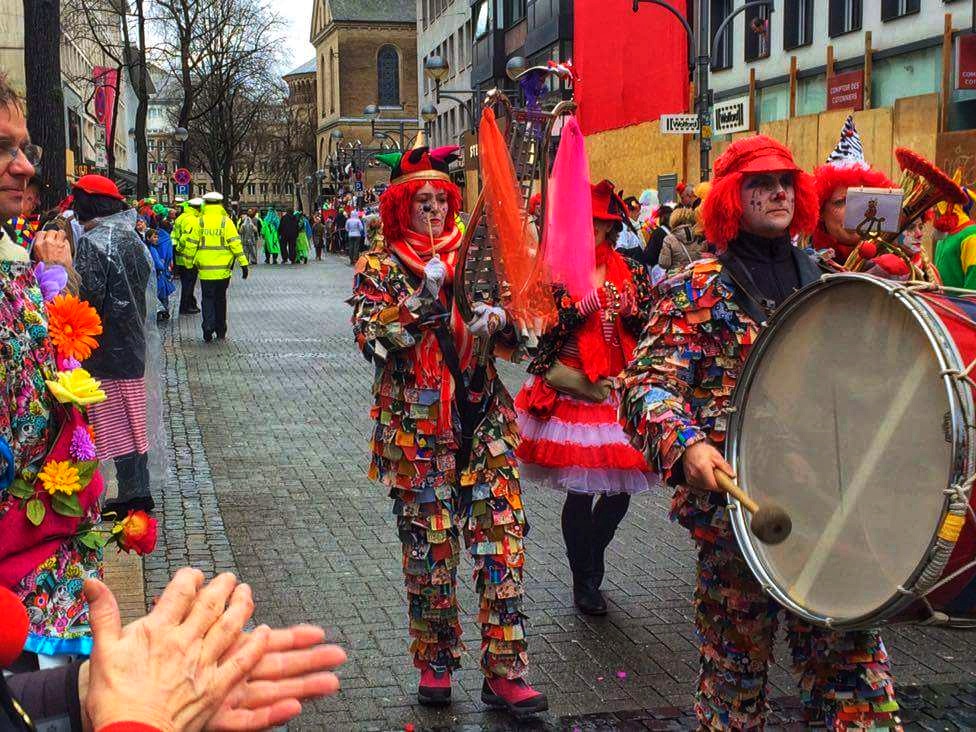
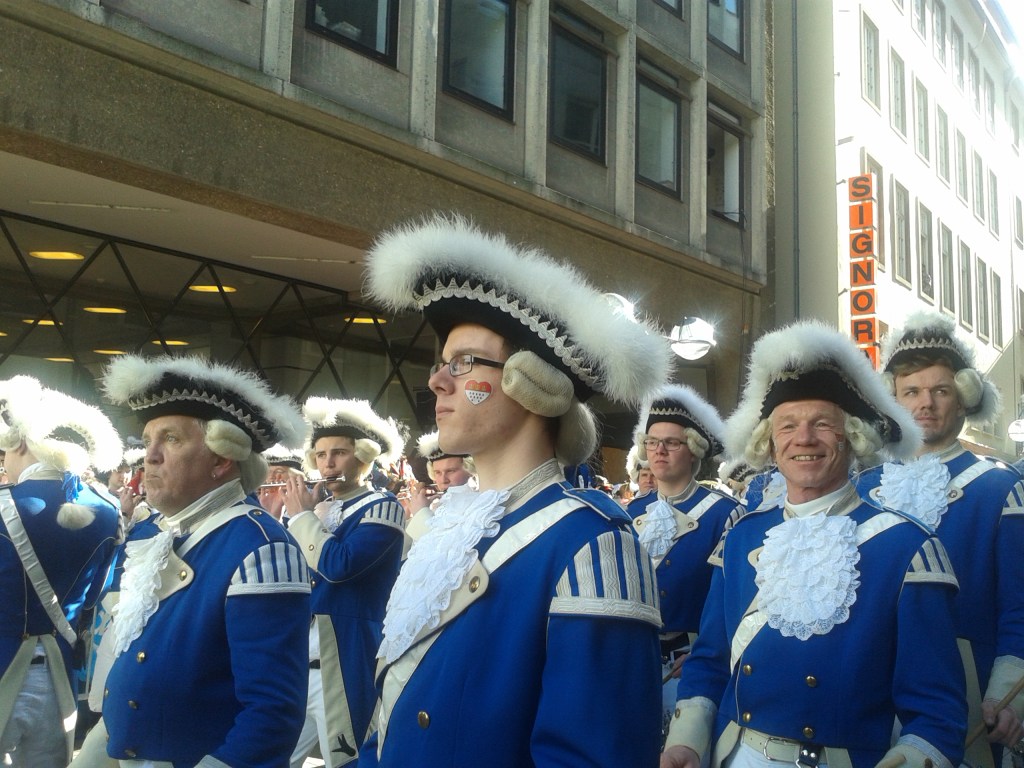
The contemporary organization of carnival began around 200 years ago. In 1823, the “festordnende Comité” (festive committee) was formed. On February 10 of that year, Cologne hosted its inaugural Rose Monday parade, themed “Throne Ascension of the Hero Carnival.” Many carnival societies were created at this time and continue to exist today. These societies can be divided into two categories. The traditional corps wear uniforms and often aim to satirize the military. The committee societies sport jackets in their club colours and strive to provide a fun, family-friendly carnival experience.
Satire and Mockery: The Heartbeat of the Carnival
One of the most distinctive features of Cologne Carnival is the tradition of satire and mockery. This tradition has roots in the festival’s early days. During that time, people used the carnival as an opportunity to critique the government. They also critiqued social norms. During Roman times, the excesses of the celebration provided a way to rebel against the hierarchy. Citizens were free to openly mock their rulers.
The theme of mockery is still very much alive today, especially in the parade floats. You will spot caricatures of political figures or celebrities. Even global leaders may be seen. They are dressed in exaggerated costumes or depicted in comical situations. In 2017, Donald Trump and Theresa May were lampooned, reflecting the ongoing tradition of political satire that permeates the carnival.
What makes this form of expression so enduring? Political discourse can often feel too serious or divisive. The carnival offers a temporary and lighthearted respite in such a world. Mocking authority-whether political, social, or cultural-enables people to challenge the status quo in a playful way. It creates a shared sense of humor and unity in a society that sometimes feels fragmented.
The Alternative Carnival
Today, Cologne Carnival involves around 300 organizers, including carnival societies, local clubs, and neighborhood associations, hosting over 1,000 events. An alternative carnival scene, which began in the 1980s and mocks traditional committees, has grown and now spans all generations. The traditional committees are male dominated and very strict. This is why alternative carnival groups seek to mock them. Notable activities include the Stunksitzung and the “Geisterzug” (ghost parade), where participants dress up in spooky costumes. The ghost parade is a political demonstration with roots in the Middle Ages. It occurs on the Saturday before “Weiberfastnacht.” The parade follows a different route each year. The alternative scene includes groups like the “Ahl Säu” (old sows). They lead the Rose Monday procession in creative costumes. LGBTQ+ groups have their own clubs and events. The carnival reflects Cologne’s inclusive, tolerant spirit, embodied in the saying “Jede Jeck es anders” (“Every fool is different”).
The 2025 Cologne Carnival is drawing to a close soon. It reminds us of the power of tradition to unite people. It transcends the boundaries of time and culture. In a world often divided by serious discourse, the carnival stands as a joyful reminder of the importance of laughter. It also highlights self-expression and the freedom to challenge the status quo. Whether through provocative political satire, creative costumes, or its fun events, Cologne Carnival.
Thanks for reading and please feel free to comment.

Sources:
https://thehistoryofcologne.com/2023/02/11/52-the-history-of-cologne-carnival-200th-anniversary/
https://www.cologne-tourism.com/experiences-lifestyle/carnival
https://www.dw.com/en/germany-is-the-cologne-carnival-still-a-mans-world/a-68187418

 Nikkidiscovers