
Cape Point Nature Reserve is one of my favourite places in Cape Town, and it’s easy to see why. Although I only started visiting in my 20s, I highly recommend you visit Cape Point if you are in Cape Town and have the time. Growing up in a family that wasn’t particularly fond of hiking or outdoor adventures, our outings were mostly centered around swimming. Nature reserves were not part of our routine, making my visit to Cape Point a truly special experience.
This pristine reserve offers breathtaking views and an array of activities that cater to all interests. From hiking trails that lead to panoramic vistas to opportunities for wildlife spotting, Cape Point is a nature lover’s paradise. Whether you want to explore the rugged cliffs, enjoy a leisurely picnic, or partake in various outdoor activities, this reserve has something for everyone. Join me as we dive into everything Cape Point Nature Reserve has to offer.


What Is Cape Point Famous For?
Cape Point is renowned for its stunning natural beauty and rich biodiversity. Here are some of the key highlights that make it a must-visit destination:
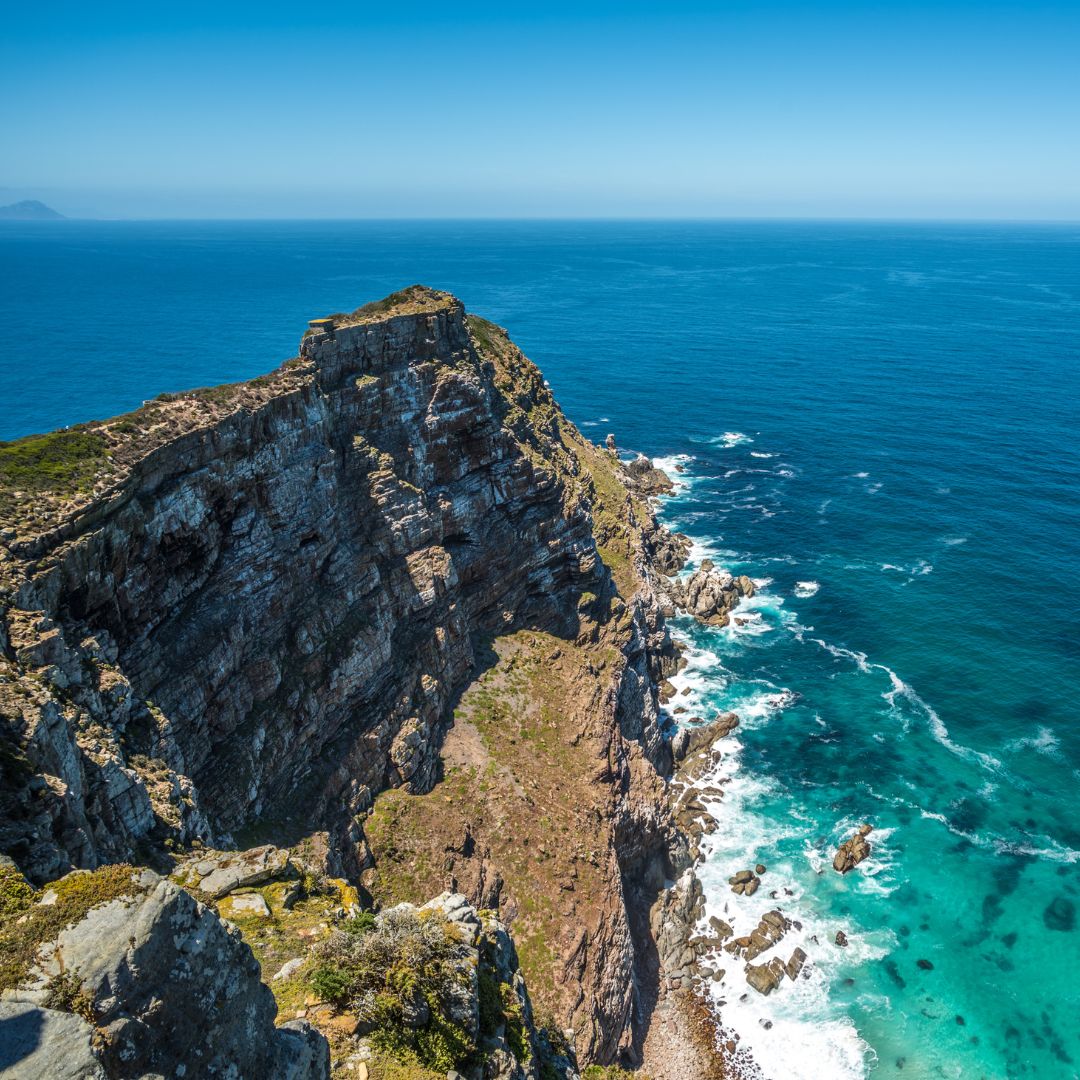
Breathtaking Scenery
The dramatic cliffs and panoramic ocean views offer some of the most picturesque landscapes in South Africa. The contrast of the rugged coastline against the blue Atlantic Ocean creates a spectacular backdrop.

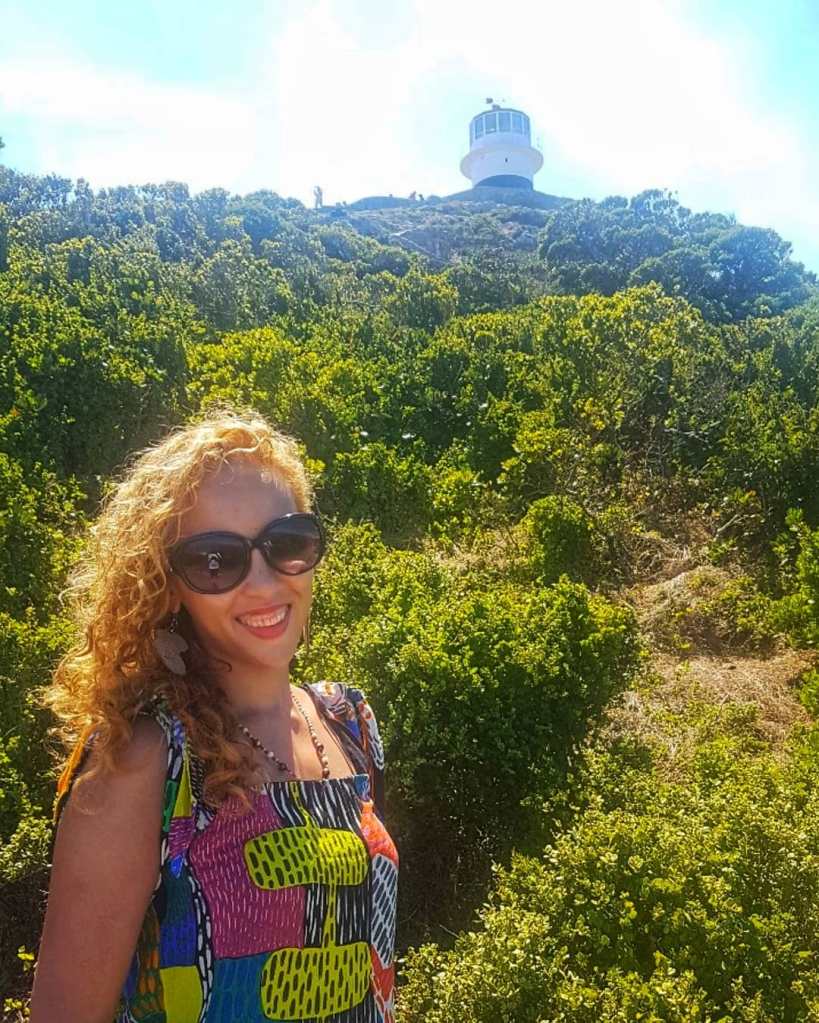
Cape Point Lighthouse
The iconic lighthouse, perched on a cliff, has guided ships since the late 1800s. Visitors can hike or take a funicular to the top for stunning views of the surrounding area. It’s a stunning view and worth seeing.
Biodiversity
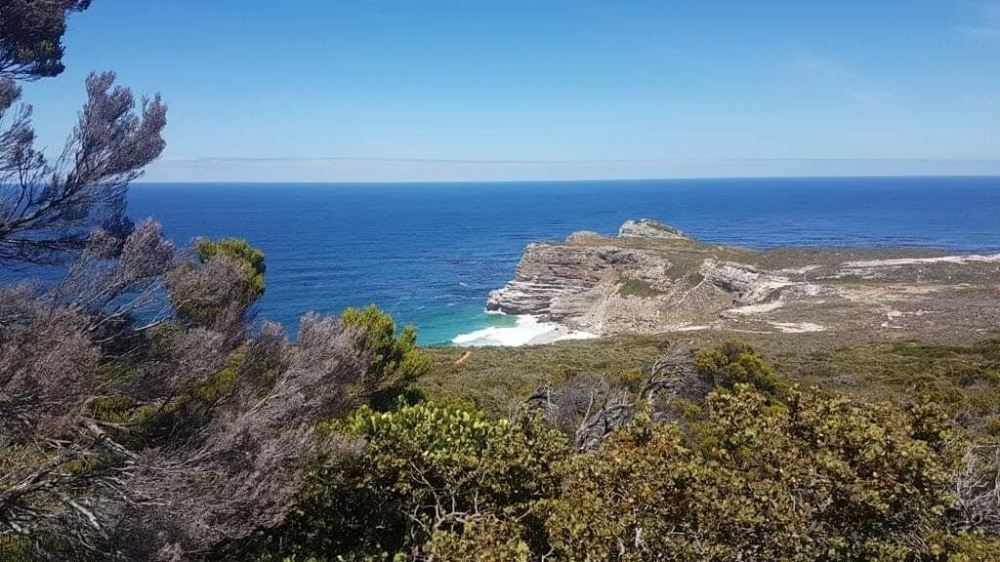
As part of the Cape of Good Hope Nature Reserve, Cape Point is home to a wide variety of flora and fauna. It features diverse ecosystems, including fynbos, a unique type of vegetation found only in this region.

Wildlife
The area is rich in wildlife, with opportunities to spot baboons, ostriches, antelope, and a variety of bird species. Whale watching is also popular during the migration season.

Cultural Significance
Cape Point has historical importance as a navigational landmark for sailors, but it is not the meeting point of the Atlantic and Indian Oceans—that distinction belongs to Cape Agulhas, located further southeast.

Hiking Trails
There are several scenic hiking trails in the reserve, offering visitors a chance to explore the natural beauty up close while enjoying fresh air and breathtaking vistas.
The Legend of the Flying Dutchman
The Flying Dutchman is a legendary ghost ship deeply rooted in maritime folklore, particularly associated with the waters around the Cape of Good Hope. According to the tale, the ship was captained by Willem van der Decken, who defied the wrath of God in his determination to round the Cape during a fierce storm. As a result, his vessel was cursed, doomed to sail the oceans for eternity. The Flying Dutchman is often described as a spectral ship, sometimes glowing with an eerie light, and sightings of it are considered harbingers of doom, foretelling misfortune for sailors. This captivating legend has inspired numerous works of art, literature, and music, including Richard Wagner’s opera “Der fliegende Holländer” and the “Pirates of the Caribbean” films. Today, the myth endures, with some modern sailors still claiming to have encountered the ghostly ship, adding to the allure and mystery of the Cape Point area.
How Do I Get to Cape Point from Cape Town?
Getting to Cape Point from Cape Town is manageable, but it does require some planning if you don’t have your own car. You can choose to drive, use public transport, or join a guided tour. Here’s a breakdown of your options:
From Cape Town via the Atlantic Side:
- Start by heading to Sea Point, then follow the coastal road through Camps Bay and Llandudno until you reach Hout Bay via the M6.
- Take Chapman’s Peak Drive, which will lead you to Noordhoek.
- Turn right to follow the stunning coastline, passing through Kommetjie, Soetwater, Witsand, Misty Cliffs, and Scarborough.
- After Scarborough, drive inland for a few kilometers, and you’ll find the entrance to Table Mountain National Park on your right.
From Cape Town via the False Bay Side:
- Take the Eastern Boulevard out of the city and follow signs to the M3 toward Claremont.
- Continue on the M3 until it ends, then turn left toward Muizenberg and Fish Hoek.
- Drive along the coast to the historic naval village of Simon’s Town.
- Keep following the coastal road, and you’ll see the entrance to Table Mountain National Park on your left.
From the Cape Town Central Business District (CBD) to Cape Point.
- Depart from the CBD and head onto the M3 highway, which takes you toward the southern suburbs.
- Follow the M3 until you reach the junction where you’ll transition onto the M42.
- Continue on the M42 until it merges into the M65, which will lead you directly to the signs for Cape Point.
- The entire drive typically takes about 1.5 hours, depending on traffic conditions.
1. By Car
Driving is one of the easiest and most flexible ways to reach Cape Point.
- Parking: Once you arrive, there are designated parking areas around the reserve.
2. By Public Transport (partially)
If you prefer not to drive, you can use public transport:
- Train: Take a train from Cape Town to Simon’s Town. Trains run regularly, and the scenic ride along the coastline is well worth it. The train is relatively new and safe, with security officers and cameras on board.
- Uber/Shuttle: From Simon’s Town, you can catch an Uber or a bus (like the Cape Point Shuttle) to reach the entrance of Cape Point Nature Reserve. The Cape Town Shuttle also offers private tours, so be sure to inquire about their options. However, keep in mind that the attractions inside the reserve are quite spread out. If you’re unable to walk long distances and want to visit a few spots, it’s advisable to hire a car or join a guided tour.
3. Guided Tours
Joining a guided tour is another excellent option, especially for those unfamiliar with the area:
- Tour Packages: Many companies offer half-day or full-day tours to Cape Point, which often include stops at other attractions such as the Cape of Good Hope and Boulders Beach.
- Convenience: Tours typically include transportation, so you can sit back and enjoy the scenery without worrying about navigation.
4. The Hop on Hop off Bus
For a convenient and enjoyable way to explore Cape Point, consider joining a guided tour offered by City Sightseeing. These tours include round-trip transportation, allowing you to relax and take in the stunning scenery along the way. You’ll have the chance to visit key attractions, such as the iconic Cape Point lighthouse and the breathtaking landscapes of the surrounding nature reserve. The red bus as we call it is awesome and I got to experience it on my birthday a few years ago. It’s a wonderful way to explore Cape Town and get to Cape Point.
What Is the Best Time to Visit Cape Point?
When planning your visit to Cape Point, timing can enhance your experience. Here are some factors to consider:
1. Seasonal Considerations
Spring (September to November): This is one of the best times to visit. The weather is mild, wildflowers bloom, and the park is less crowded. It can get really windy though so be prepared take a light jacket with you and always check the weather report.

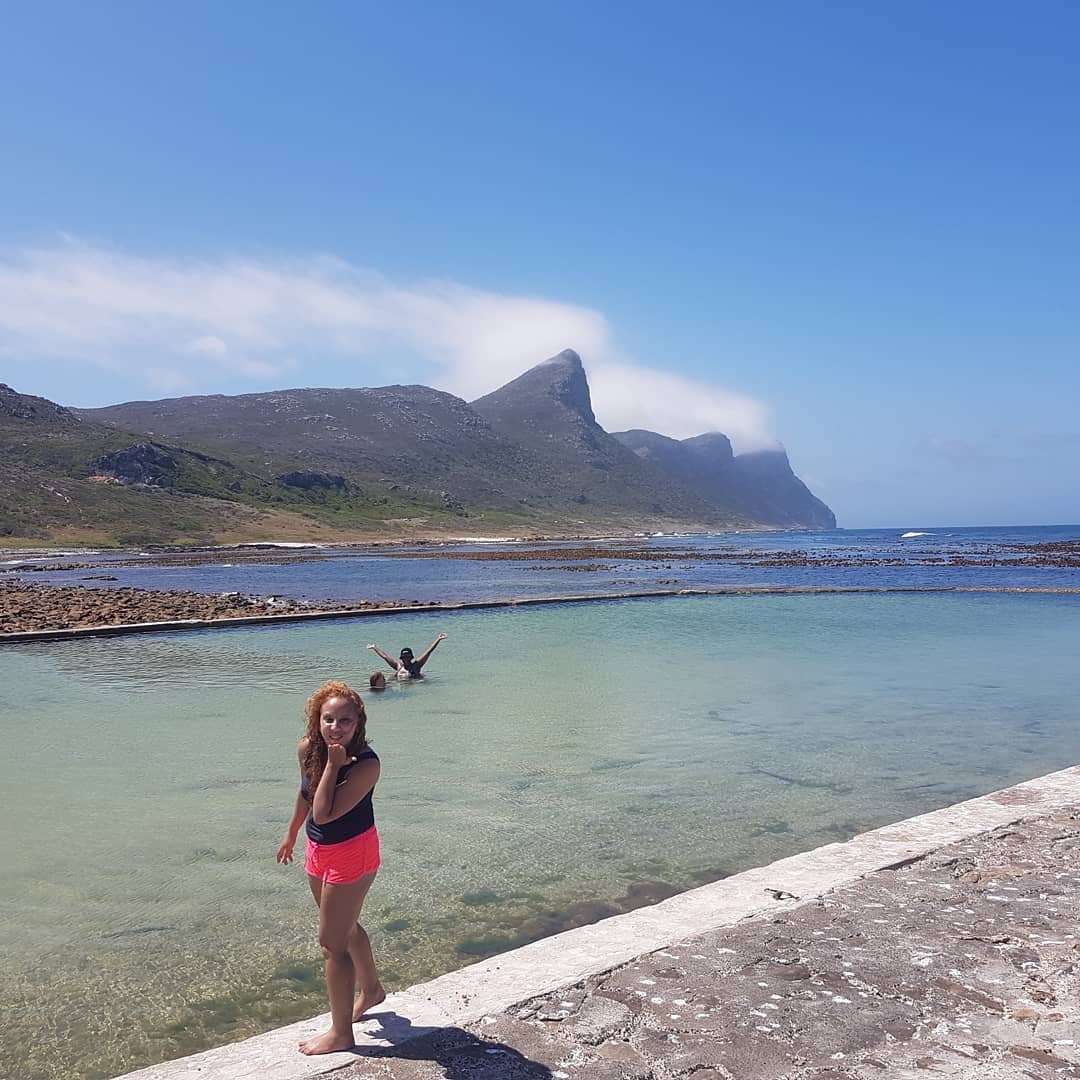
Summer (December to February): While summer offers warm weather and longer days, it can be busy with tourists. If you visit during this time, try to go early in the day to avoid the crowds. I visited on my birthday, the 22nd of December and the tidal pool at Buffels Bay was empty so it depends. You can get lucky and have a whole section to yourself. It is a big reserve so it does not get overcrowded.


Autumn (March to May): Similar to spring, autumn brings pleasant weather and fewer visitors. The changing foliage adds to the beauty of the landscape.
Winter (June to August): Although it can be chilly and rainy, winter offers a unique experience. Fewer tourists mean quieter trails, and you might even spot southern right whales along the coast.The best time to see southern right whales is from June to November, with the peak months typically being August and September. During this time, the whales come to the warmer waters of the Cape to mate and calve.
2. Time of Day
- Early Morning: Arriving early gives you the chance to enjoy the serenity of the reserve and watch the sunrise over the ocean. It’s also a great time for wildlife spotting.
- Late Afternoon: The golden hour before sunset provides stunning light for photography and often fewer visitors.
If you plan on visiting on a public holiday and or a weekend I suggest you get there early to avoid the ticket line at the entrance. You can also pick a great spot at one of the picnic sites and get a braai (barbeque) spot easier if you go early.

3. Weather Considerations
- Cape Point can be windy, so checking the weather forecast before your visit is essential. Calm days are ideal for exploring and enjoying the views.
4. Wildlife Viewing
- If you’re interested in wildlife, spring and early summer are great for spotting various bird species and other animals in the reserve. I’ve spotted ostriches, zebras, birds, fish, baboons and more at Cape Point.
What Should I Bring for a Day at Cape Point?
Comfortable Footwear
It’s essential to wear sturdy walking shoes or hiking boots for your visit. The diverse terrain and various trails require good support and grip, so make sure you choose footwear that you can walk in comfortably for extended periods. If you aren’t planning on hiking you do not have to have hiking boots. But it is a nature reserve so high heels are not practical rather wear a comfy pair of shoes.
Weather-Appropriate Clothing
The weather at Cape Point can change rapidly, so dressing in layers is key. Start with a breathable base layer and add a light jacket or windbreaker. This way, you can easily adjust to the cool sea breezes and warmer moments throughout the day.
Sunscreen and Hat
Protecting yourself from the sun is crucial, even on overcast days. A broad-spectrum sunscreen with a high SPF will help shield your skin from harmful UV rays. Additionally, wearing a wide-brimmed hat can provide extra protection for your face and neck while adding some style to your outdoor adventure. It is important to protect your skin to avoid sunburn.
Water and Snacks
Staying hydrated is important during your explorations. Bring along a refillable water bottle to ensure you have enough to drink throughout the day. Packing some snacks or a picnic lunch can also keep your energy up while you take in the beautiful views. The picnic spots has taps where you can refill your bottle.
Camera or phone
Don’t forget to bring your camera or phone to capture the stunning landscapes and unique wildlife. The picturesque scenery at Cape Point is a photographer’s dream. If you enjoy birdwatching or want a closer look at distant sights, consider packing a pair of binoculars as well.
Backpack
A lightweight backpack is practical for carrying your essentials comfortably while you explore the park. It should be spacious enough to hold your water, snacks, and any additional layers you might need throughout the day.
Cash/Card
While Cape Point accept card payments, having some cash on hand can be helpful for purchasing snacks, souvenirs, or paying for parking and entrance fees, especially in more remote areas.
First Aid Kit
Accidents can happen, so it’s wise to have a small first aid kit on hand. Include items for treating minor injuries or discomfort, such as band-aids, antiseptic wipes, and any personal medications you may need.
Map or Guidebook
If you prefer to explore independently, a map of the area or a guidebook can enhance your experience. Familiarising yourself with the trails and points of interest will help you make the most of your visit to this stunning natural reserve. You can get a map from the main gate for free. There is also two free audio tours which you can access here: voicemap
Where can I braai at Cape Point on the beach?
When the weather’s good, there’s nothing quite like a braai outdoors, surrounded by beautiful views, the scent of the ocean, and the soothing sound of the sea. Many people may not know that you can enjoy a braai at Cape Point, but it’s essential to use the designated areas. Buffels Bay and Bordjiesdrif are particularly popular for their excellent braai spots and grassy picnic areas. Buffels Bay features individual braai spots and stunning white sands, perfect for those who don’t mind a little sand between their toes. Just remember to bring your own grids and wood! Bordjiesdrif offers circular braai spots ideal for groups, along with grassy patches that create the perfect picnic setup.
Keep in mind a few important rules: always stick to the designated braai areas for your safety and the park’s preservation, avoid feeding the baboons (as doing so can result in fines), and maintain cleanliness by keeping the area tidy. Lastly, be aware that alcohol is not permitted in the park. You can have a drink at the Two Oceans Restaurant instead.


What Are the Opening Hours of Cape Point?
Cape Point has specific entry and exit times depending on the season. During the winter months, from April to September, the park is open from 07:00 to 17:00. In contrast, summer hours, from October to March, are extended to 06:00 to 18:00
Where to stay in Cape Point?
There are three self-catering cottages available within Table Mountain National Park: Olifantsbos Guest House, as well as the Eland and Duiker cottages. Tented camps are also offered. For bookings, please contact SANParks.
Tel: +27 (0)21 780 9204
Mon – Thurs: 09:00 to 16:00
Fri: 9:00 to 15:00 on Friday’s.
Email: musam@sanparks.org
Current Daily Entry Fees for Cape Point Nature Reserve
When planning your visit to Cape Point Nature Reserve, it’s important to be aware of the current daily entry fees:
- South African Citizens and Residents:
- Adults (12+ years): R105
- Children (2–11 years): R55
- SADC Citizens:
- Adults (12+ years): R210
- Children (2–11 years): R105
- International (non-South African) Citizens:
- Adults (12+ years): R455
- Children (2–11 years): R225
These fees help maintain the park’s natural beauty and conservation efforts, ensuring a great experience for all visitors.
Read more: Ticket prices
Contact details
Visitor Centre: +27 21 780 9010 (operating Thursdays to Sundays )
Flying Dutchman Funicular Enquiries: +27 21 780 9010
Park entrance: +27 21 780 9526
Wild/ Green/Activity cards and permits: +27 21 712 7471
Email: info@capepoint.co.za
Two Oceans Restaurant
Tel: +27 21 746 6365
Bookings: TORbookings@capepoint.co.za
More information:
Home 2
https://capepoint.co.za/visitus/
https://capepoint.co.za/contact/
https://capepoint.co.za/facilities/
Ready to Explore?
Cape Point Nature Reserve is waiting to be discovered! Share your experiences or ask questions in the comments below. Happy travels!


 Nikkidiscovers
One Comment
Comments are closed.