
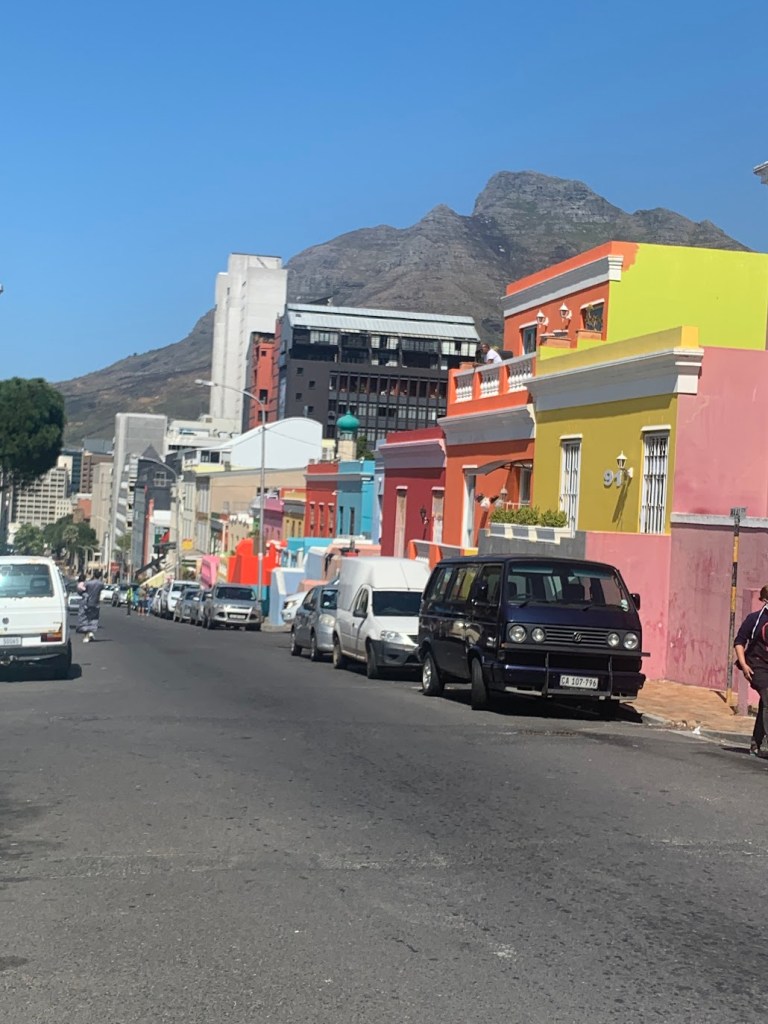
t’s said that color impacts our mood, and when you walk down the streets of Bo-Kaap, you’ll find that the bright colors make you feel happy. There’s something about this area—once home to slaves, later becoming multicultural, and eventually declared a Cape Malay quarter by the Apartheid state—that draws both tourists and locals. The vibrant colors of the homes, set against the mountain backdrop, make Bo-Kaap a photographic gem. That being said, it’s still a residential area. Gentrification threatens the neighborhood, and residents have stood strong, protesting high-rise developments. I searched the internet and found a lack of tips on how to visit Bo-Kaap respectfully. This article aims to fill that gap.
Don’t Make Assumptions
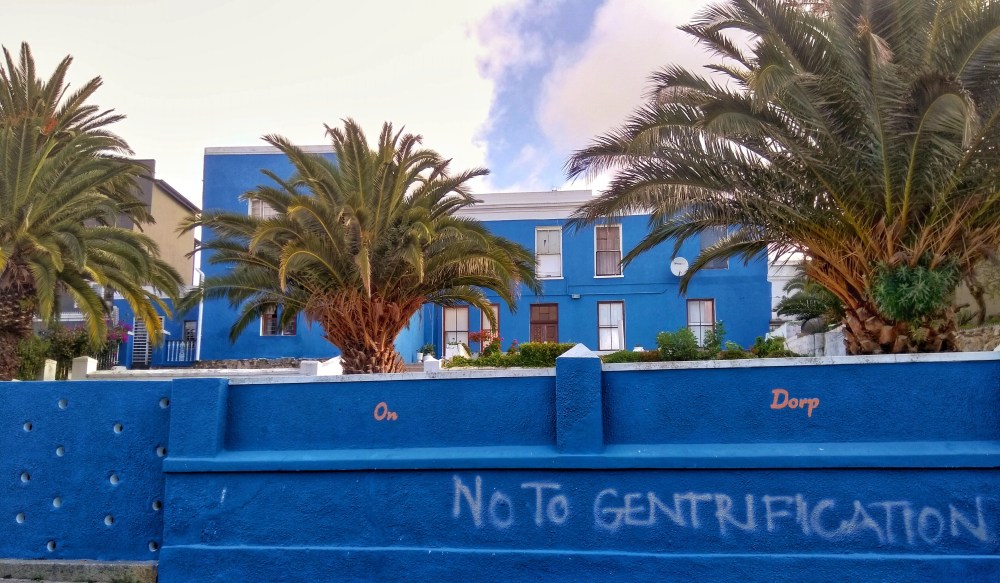
I saw an Instagram post by a tourist claiming that Bo-Kaap residents were protesting the influx of tourists. This was completely untrue. The residents don’t mind respectful tourists; they’re protesting against hotels and apartments that clash with the community’s aesthetic. They also want to avoid traffic jams and hope that business owners will invest in the community rather than just taking profits elsewhere.
Don’t Spread Misinformation
Be sure you understand what you’re posting on social media. The Instagrammer mentioned earlier spread misinformation by not knowing what the protests were about. Do your research to stay well-informed.
Don’t Just Take Photos
Yes, it’s a vibrant place, and everyone will want to take photos. However, remember that these are homes, not monuments. If you see people standing at their doors, ask for permission before taking their photo. If they decline, respect their wishes. I’ve heard complaints from residents, such as a woman who felt violated when a photographer took a photo of her while she was cleaning and without her headscarf. The same goes for photographing children—always ask their parents for permission first. Be aware and considerate before you click.

Learn the History
Visit the Bo-Kaap Museum. Many tours skip this in favor of seeing the homes, but the museum provides valuable insights into the area’s history. You’ll see historical photos, objects, and documents that will help you appreciate Bo-Kaap’s struggle and culture.

Be Respectful
Bo-Kaap remains predominantly Cape Malay, with Islam being the dominant religion. Residents have protested attempts to introduce bars and liquor stores, as alcohol is forbidden in Islam. Visitors should be sober and respectful, even if not wearing a headscarf. If you plan to enter a mosque, cover up and wear a scarf. Both men and women must remove their shoes before entering. Don’t be rowdy, as there are many mosques where people go to pray. Muslims pray five times a day and fast from dawn to sunset during Ramadan. Greeting with your left hand is considered disrespectful, as the right hand is used for eating and greeting. Some Muslims may not shake hands with the opposite sex or want to sit next to someone of the opposite gender. Many prefer to eat only at halal restaurants. If you make friends with a Muslim local, be considerate and ask if you’re unsure how to behave. A willingness to learn about their culture is always appreciated.

Support Local Businesses
Support local businesses like Bo-Kaap Kitchen, Rose Corner Café, and Atlas Trading. Have a meal at Bo-Kaap Kitchen, try a koesister at Rose Corner Café, and buy aromatic spices at Atlas Trading Company. Supporting local businesses helps community development and prevents gentrification.

Don’t Litter
Littering is never acceptable. Keep your trash with you or find a bin. No one likes a litterbug.
Don’t Waste Water
If you book a room in the area, use water sparingly. Cape Town has faced water crises, and our dams are still only around 60% full. Everyone’s help in conserving water is essential.
Traffic
Be aware that Wale Street, the main road through Bo-Kaap, can get congested. Follow traffic rules and avoid parking in front of residents’ parking bays or doors.
Research Your Tour
Before booking a tour, ask questions and read reviews on TripAdvisor and blogs. Some tour operators may not know the area’s true history and could perpetuate myths. Bilqees Baker, a highly-rated local guide, offers tours you can book here: Bilqees Baker’s Tour.
Extra Tips
Keep an eye on your belongings and be mindful of your surroundings when taking photos. If possible, walk with a tour group or a friend. If not, visit during the day and stick to busier streets like Wale and Rose Street. Though there have been incidents of muggings, the area is generally safe. I often walk alone during the day in Bo-Kaap. If you can, visit on a weekday morning for a less crowded experience. While some TripAdvisor reviewers feel the area is too touristy, I disagree. Yes, there are photographers, but many are locals like me. The crowds in Bo-Kaap are nothing compared to those in Paris or Venice.
If you’ve visited Bo-Kaap, I’d love to hear your thoughts. Thank you for reading and take care.
Happy travels!

 Nikkidiscovers