
Budapest is the perfect budget-friendly destination, offering a rich blend of history, architecture, and culture in Eastern Europe’s capital. With its stunning views, impressive architecture, and warm hospitality, everything about Budapest is simply marvellous. The city is divided into two distinct parts: Buda and Pest, separated by the Danube River and connected by several picturesque bridges. The Buda side is hilly and more challenging to navigate, featuring landmarks such as Fisherman’s Bastion and Buda Castle. In contrast, the flatter Pest side is home to the iconic Hungarian Parliament.
I arrived in Budapest on a Friday evening and opted to skip the pub crawl organised by PM 2AM Student Trips. With only one day to explore, I packed my itinerary with a bus tour, a guided walking tour, and a visit to local shops and restaurants. I exchanged my euros for Forints, as Hungary has not adopted the Euro yet. To wrap up the day, I enjoyed a nighttime river cruise, taking in the city’s illuminated beauty. By prioritizing these activities and avoiding the pubs, I was able to make the most of my short visit. This guide is perfect for anyone looking to experience Budapest in just one day.
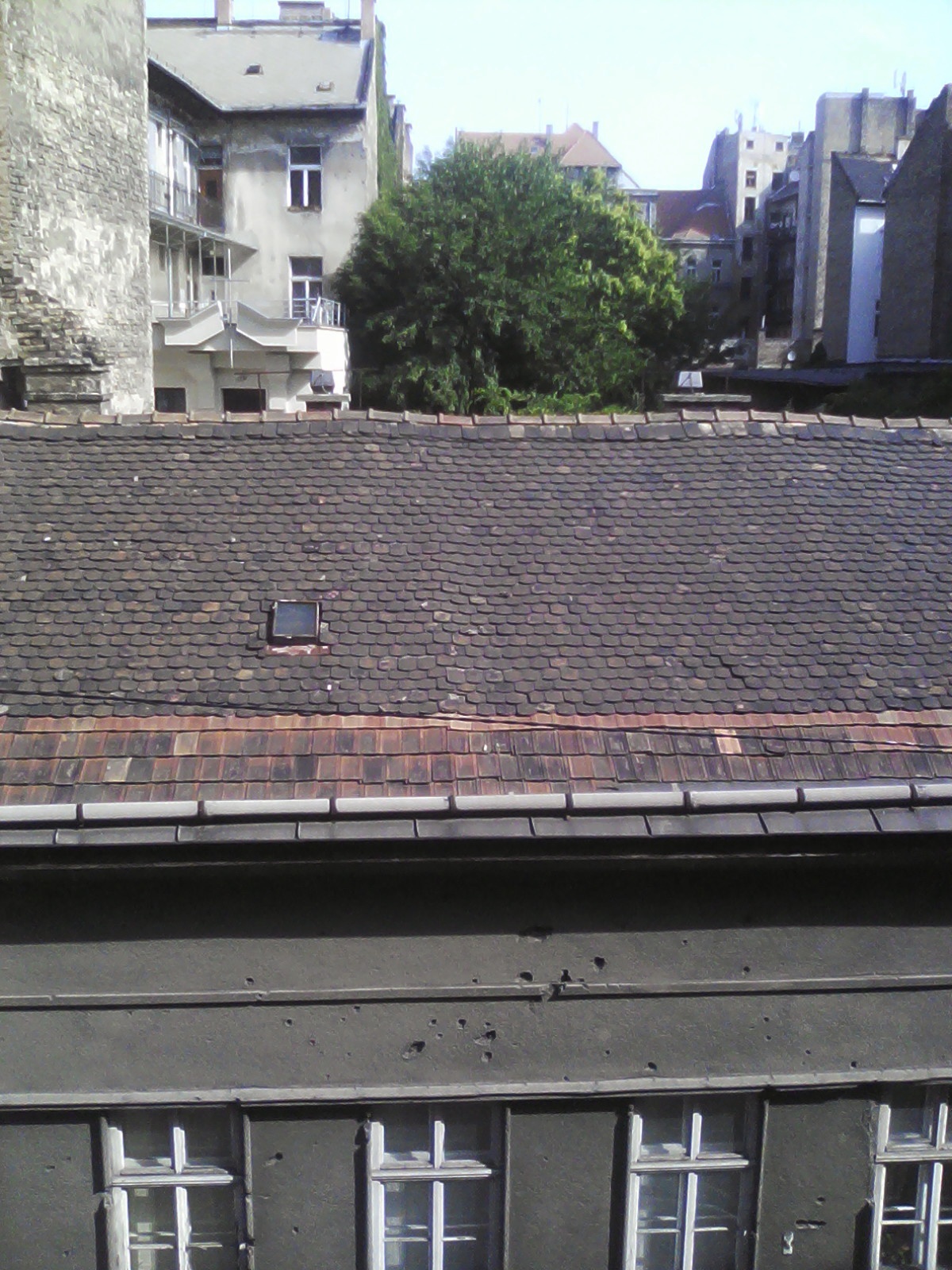
Spotted bullet holes
Bullet holes can be spotted in the less upscale parts of Budapest. They serve as a grim reminder of the war. There were bullet holes around the area of the hostel I stayed at. The bullet holes were the first thing I saw when I looked out of the window of my room in the morning. You can spot bullet holes on other streets in the city. Just keep your eyes open. Some of the holes have plaques close to them to show that they are real.
Taking a Bus Tour in Budapest
A bus tour is an excellent way to familiarise yourself with Budapest, especially if you’re short on time. My tour was included in my travel package, but there are several tour buses available throughout the city. This mode of transportation offers a convenient overview of Budapest’s key attractions, making it perfect for a one-day visit.
Andrássy Boulevard: A Historic Stroll
Our bus tour took us along Andrássy Boulevard, a UNESCO World Heritage Site. Established in 1872, this grand avenue is renowned for its stunning Neo-Renaissance architecture. As you drive or walk along Andrássy Boulevard, you’ll admire the magnificent facades of buildings such as the Opera House. The street is lined with lush trees, charming cafes, upscale restaurants, and luxury boutiques, making it one of Budapest’s premier shopping destinations. With its elegant design, Andrássy Boulevard is often compared to Paris’s Champs-Élysées. For a memorable experience, stroll from the Opera House toward Heroes’ Square to enjoy the square’s impressive columns and striking statues.
Heroes’ Square: A Key Landmark
The bus tour stopped at Heroes’ Square, one of Budapest’s most important landmarks. This historic square is famous for its statues, including those of the Seven Chieftains of Hungary. Heroes’ Square has also been the site of significant political events, for instance the reburial of Imre Nagy, a key figure in Hungary’s democratic reforms during the communist era. The square is flanked by the Museum of Fine Arts and the Palace of Art, adding to its cultural significance. During our visit, the tour group took time for group photos before continuing the tour.
The Synagogue and Jewish District
During my bus tour through Budapest, we passed through the historic Jewish District, which was once a ghetto during World War II. Today, this vibrant neighbourhood is home to a flourishing Jewish community and is renowned for its unique ruin bars, although I didn’t have the chance to visit them. The Jewish District also houses the largest synagogue in Europe, which boasts a beautifully decorated interior. If you’re short on time, a bus tour is an efficient way to see the synagogue’s exterior. I look forward to revisiting it to explore its interior fully.
Gellért Hill: Panoramic Views of Budapest
Gellért Hill offers stunning panoramic views of Budapest from its 235-meter elevation. From this vantage point, you can see Buda Castle, the Liberty Statue, and even visit nearby caves and a restaurant. My travel package included a walking tour up Gellért Hill, where we explored lookout points, the Citadel, St. Matthias Church, and Fisherman’s Bastion. Don’t miss the Citadel’s elegant design; it now functions as a restaurant and showcases bold architectural elements.
Buda Castle: A Historic Gem
Constructed in the 13th century, Buda Castle is a Gothic-style fortress from the late Middle Ages. Once a royal palace, it now houses the National Library, Art Gallery, and the Budapest History Museum. Designated a World Heritage Site in 1987, Buda Castle is situated at the southern tip of Castle Hill, while the northern section is known as the Castle District (Várnegyed), famous for its Baroque-style buildings, homes, and churches. Accessible by funicular or a steep hike, the castle area features attractions like the Lion Courtyard, Matthias Well, and statues of King Matthias and the mythical Turul bird. The castle’s labyrinth is steeped in legends, including tales of it being a harem, a prison for “Dracula,” and a hospital. If you only have time for one castle in Budapest, Buda Castle is a must-see.
St. Matthias Church: A Historic Landmark in Budapest
St. Matthias Church, located in the heart of the Buda Castle District, is a remarkable historical site over 700 years old. Situated directly in front of the Fisherman’s Bastion, this iconic church has witnessed several royal coronations throughout its history.
Originally built in the Romanesque style in 1015, St. Matthias Church underwent significant reconstruction in the 14th century and was extensively restored in the 19th century. Originally known as the Church of Our Lady, it was renamed in honour of King Matthias, who commissioned changes to the church’s Southern Tower.
One of the most striking features of St. Matthias Church is its distinctive bright orange roof tiles, which catch the light beautifully. In front of the church stands a historical pillar adorned with sculptures. This pillar was erected as a holy symbol during the plague years, with the belief that it would help to rid the city of the disease. Today, both the church and the pillar symbolize the creativity and resilience of the Hungarian people.
Fisherman’s Bastion: A Must-See Landmark in Budapest
Located just behind Matthias Church, Fisherman’s Bastion is a stunning mock fortress built in the 19th century to commemorate 100 years of Hungarian governance. Its fairy-tale-like design often evokes comparisons to a Disney Castle, making it a visually captivating site.
The architectural beauty of Fisherman’s Bastion is complemented by its breathtaking panoramic views of Budapest. From this vantage point, you can enjoy a spectacular vista of the Danube River and the Hungarian Parliament Building.
Seasonal Tips for Visitors:
Winter Visits: If you plan to visit in the winter, be sure to wear a warm jacket. The area can be quite icy and less crowded during the colder months. However, be prepared for the cold, as it may affect your experience. A follower on Instagram shared that she didn’t get good photos because she was too cold.
Summer Visits: On hot days, sunscreen is essential. The sun can be intense at Fisherman’s Bastion, so apply sunscreen regularly to protect yourself from sunburn.
I visited Fisherman’s Bastion as my final stop with the tour group before heading to exchange Euros with my friends. This landmark is a must-see for anyone exploring Budapest, offering both stunning views and unique architectural charm.
Shopping in Budapest: Souvenirs and Local Finds
After converting my euros into Forints, I was ready for some souvenir shopping in Budapest. Unlike many other cities, purchasing gifts near tourist hotspots in Budapest is perfectly acceptable, and prices are generally affordable throughout the city. You can find a variety of handcrafted items such as key chains and wooden Christmas decorations available year-round.
I picked up a key chain for myself and a decorative item for my mom at the shops near St. Matthias Church. Later, I bought a bookmark from a store around the Parliament Building area. Shopping in Budapest offers great value and unique finds, making it easy to pick up memorable souvenirs.
Ruszwurm Café: A Historic Bakery Experience
Located just a stone’s throw from St. Matthias Church, Ruszwurm Café is one of Budapest’s oldest and most cherished bakeries. Initially, I was concerned it might be a tourist trap, but my tour guide recommended it, and I’m glad I went. The café is renowned for its exceptional pastries, and I had the pleasure of tasting the Rigó Jancsi cake, a traditional Hungarian chocolate cake. Ruszwurm Café is a beloved institution in Budapest, attracting both locals and tourists with its delicious offerings.
Exploring Budapest’s Culinary Scene: Top Restaurants and Must-Try Dishes
Budapest boasts a vibrant array of restaurants and bars catering to all tastes and budgets. For those looking to dive into the city’s culinary delights, here are some recommendations:
I dined at a fantastic restaurant near St. Matthias Church, though I can’t recall its name. The food was exceptional, and you can find a photo of the restaurant below.
Discover More Dining Options:
- 7 Delicious Things to Eat in Budapest
- Top 10 Hungarian Restaurants Where Locals Eat
- Best Restaurants in Budapest
For dessert, don’t miss Ruszwurm Café, a historic bakery known for its delectable cakes. Adjacent to Ruszwurm is a gelato shop that serves high-quality ice cream. During my visit, I enjoyed a hearty Beef Goulash for lunch and sampled Lángos, a delicious Hungarian fried flatbread. Although I wasn’t a fan of Chimney Cake in Bratislava, it’s a popular Hungarian treat rolled in sugar and cinnamon, which you might enjoy. Also, try the refreshing lemonade drinks infused with mint and strawberries, especially enjoyable in Budapest’s summer heat.
St. Stephen’s Basilica
After exploring the local cuisine, my friends and I walked to St. Stephen’s Basilica, named after Hungary’s first Christian king. The basilica, the third-largest church in Hungary, is renowned for its stunning architecture and six bells, which ring infrequently—at 5:00 PM on August 20th and at midnight on New Year’s Eve. It is said that King Stephen’s right hand is entombed in one of the church’s chapels.
Hungarian Parliament Building
As the sun set, I arrived at the Hungarian Parliament Building, casting long shadows over its Gothic facade. The Parliament is one of the most beautiful legislative buildings globally, located along the Pest side of the Danube River. Legend has it that Freddie Mercury of Queen admired the building during a 1980s tour and humorously expressed interest in purchasing it. The Parliament features 691 rooms, an extensive 20-kilometer-long staircase, and 27 spires, with its dome visible from various vantage points, including Gellért Hill and Fisherman’s Bastion. The building’s intricate decorations include 88 statues of Hungarian rulers and Gothic elements. While I didn’t have time to explore the interior, the illuminated exterior at night was a spectacular sight.
1956 Memorial: Commemorating the Hungarian Revolution
Near the Hungarian Parliament Building, you’ll find the 1956 Memorial, marked by a striking set of stairs adorned with metal panels bearing the year “1956.” These panels are punctured by what appear to be bullet holes, serving as a poignant reminder of the Hungarian Revolution. As you descend the steps, you’ll encounter statues that seem to form part of an exhibit dedicated to this historic event.
The 1956 Hungarian Revolution was a nationwide uprising against the communist regime. It began on October 25, 1956, with peaceful student protests. Unfortunately, the situation escalated, resulting in over 2,500 deaths, 20,000 injuries, and 200,000 people fleeing the country as the regime brutally suppressed the uprising. The square surrounding the Parliament Building was a significant site of the violence against protesters.
President Nagy Imre, who called for democratic reforms and sought assistance from the UN and Western nations, was ultimately imprisoned and executed in 1958. His efforts were seen as treasonous by the regime. The revolution marked the first major resistance against communism in the region and played a role in the eventual fall of communist rule in Hungary, contributing to the broader movement toward European reunification. October 25 is now a national holiday in Hungary, commemorating the sacrifices of the freedom fighters with annual events held in their honor.
Kossuth Square: A Historic Gathering Place
Kossuth Square, where many of the protests and subsequent shootings took place, is also home to various monuments and statues. It’s a pleasant spot to relax on a bench or the grass, especially during the summertime.
Statue of Imre Nagy: A Symbol of Resistance
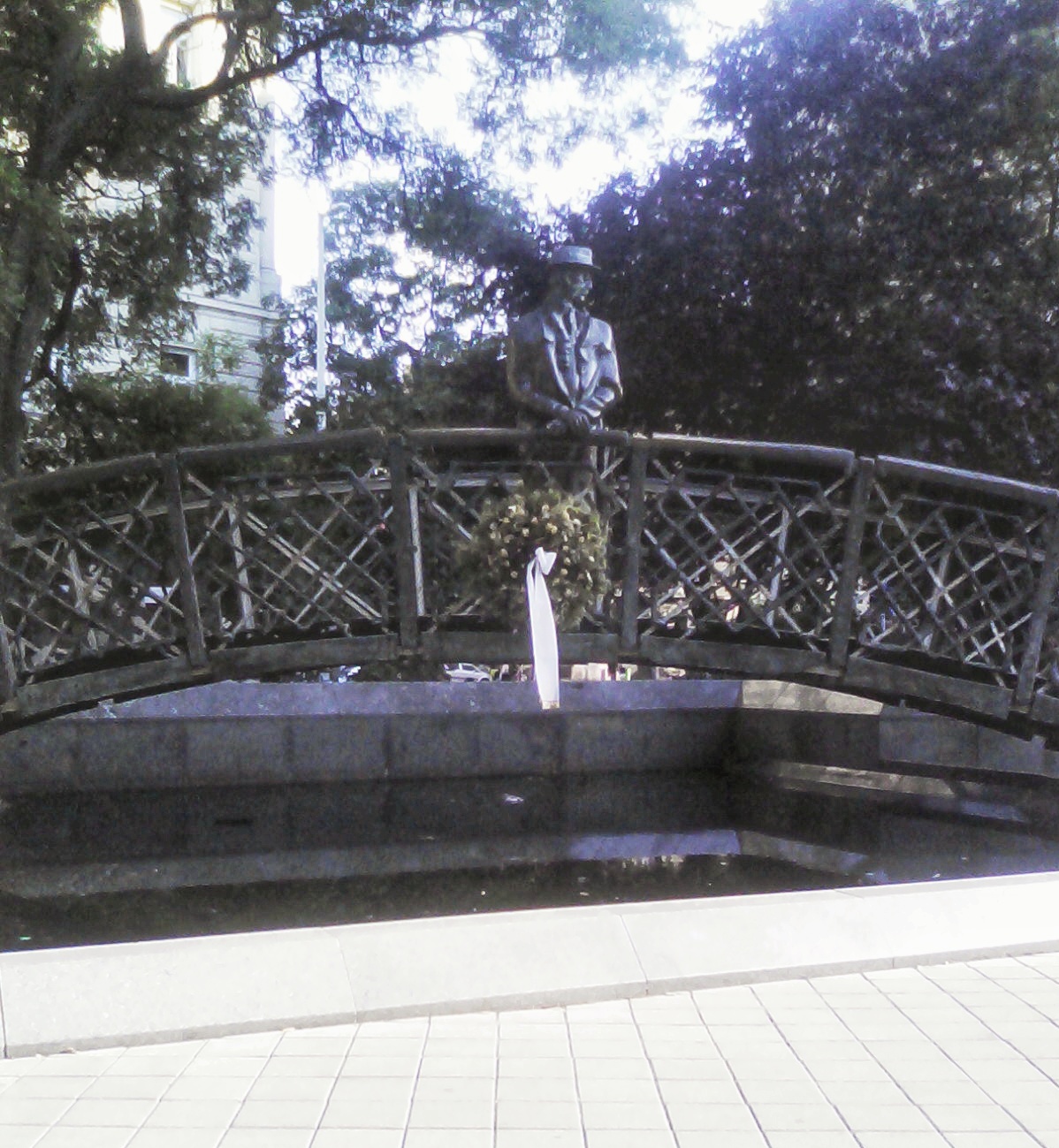
The statue of Imre Nagy stands prominently, facing the Hungarian Parliament. This monument honors Nagy, who became a symbol of resistance, hope, and peace for the Hungarian people. Thousands of Hungarians gathered at Heroes’ Square for his reburial, reflecting his enduring significance. Although I chose to skip visiting the nearby Ronald Reagan statue—situated in opposition to the Soviet star obelisk—I had my picture taken next to Imre Nagy’s monument. Reagan’s policies, while influential in opposing communism, also had controversial impacts, including economic and social consequences.
Walking Along the Riverside: Scenic Views and Historical Reflections
Strolling along the riverside in Budapest, I admired the boats and the clear blue water shimmering under the fading sunlight. While traveling through Europe, I experienced a certain fatigue from war memorials and chose to forgo the emotional impact of the Shoes on the Danube Bank memorial. This installation commemorates the Jewish victims who were shot and fell into the river during World War II. Although I usually embrace teachable and challenging travel moments, I decided to skip this one for personal reasons.
River Cruise: A Highlight of My Budapest Experience
After returning to the hostel to freshen up, my friends and I took a tram to the riverside for a nighttime boat cruise—a highlight of my Budapest visit. The evening was pleasantly balmy, making the riverside ambiance particularly enjoyable. Experiencing Budapest by night is a must; the city lights up beautifully, with Buda Castle and the Hungarian Parliament gleaming against the dark sky.
One of the most striking sights was the Chain Bridge, which spans 375 meters and was inaugurated in 1849. Known for its colossal iron chains, the bridge is adorned with the Hungarian coat of arms and guarded by majestic stone lions sculpted by János Marschalkó. The Chain Bridge is a symbol of Hungary’s independence and was a significant site during the 1989 protests when the Iron Curtain fell. At night, the illuminated chains resemble shimmering diamonds on a necklace, creating a breathtaking view. This river cruise offered a travel experience that truly took my breath away.
Beer in Budapest
The final activity of my Budapest trip was enjoying a beer in the hostel’s lounge area. Despite the lack of wine, the beer was surprisingly good. Afterward, I rested up as my next destination was Bratislava with pm 2am student trips.
If You Have More Time in Budapest
Vajdahunyad Castle
Located in City Park, Vajdahunyad Castle is a must-visit landmark in Budapest. Built in 1896 as part of the millennial celebrations marking 1,000 years since the settlement of the Carpathian Basin, this castle features a blend of architectural styles and is a testament to Budapest’s rich history.
Ruin Bars
Explore the vibrant ruin bars in Budapest’s Jewish Quarter. These eclectic bars, known for their quirky interiors, offer fantastic photo opportunities. To capture the best shots, visit while you’re still sober!
Wine Tasting
Budapest is renowned for its excellent wine. For wine enthusiasts, several wine tasting caves around the city provide a great opportunity to sample local wines and experience Budapest’s rich wine culture.
Thermal Spa Baths
Although I skipped the thermal spas due to the scorching summer weather, Budapest’s natural hot springs are a popular attraction. The clear blue skies were beautiful, but the idea of a warm spa was less appealing in the heat.
Christmas Markets
If you visit Budapest during the Christmas season, don’t miss the festive Christmas markets. My friend Elian visited during this time and found the markets lively and dazzling. Unfortunately, my trip didn’t coincide with the Christmas season, so I missed this festive experience.
Where I Stayed
I booked a travel package with pm 2am student trips for my Budapest visit, which included accommodation at Goodmo House Hostel. The hostel was clean, and breakfast was decent. However, the bathroom facilities were inadequate for the large number of guests, leading to some cleanliness issues. Despite this, the staff was friendly and helpful. Goodmo House is a bit far from the city centre but is conveniently located near public transport. It’s a suitable option for budget travellers.
Goodmo House Details
- Address: Józef utca 13, Budapest, Hungary
- Phone: +36 30 486 9897
Safety tips
Budapest like any other major city is home to opportunists. Be careful with your wallet, camera, phone, and other items. My tour guide told us not to play gambling games with anyone. People get distracted during the game and find out afterwards that they have been pickpocked. Don’t take roses from sellers who make you think they are giving you a rose for free. You will have to pay for a rose you thought was free. The city is relatively safe; just be vigilant and aware.
Thank you for reading and please feel free to comment. I love hearing from my readers.
Happy travels!


 Nikkidiscovers
This looks like such a wonderful city! I was all booked up to go in September but had to change our plans last minute and ended up going to Prague! I can’t wait to rebook that trip (on the other side of winter) and see the city for myself. I love all of your suggestions.
LikeLiked by 1 person
It is wonderful and there are so many free things to do which is always a great thing. I never got to see Prague its on my never ending travel bucket list. Thank you for the positive feedback. I’m so happy that you enjoyed my post. And enjoy your trip to Budapest when you do go (:
LikeLiked by 1 person