
A dirndl is a traditional dress worn in Germany, Austria, and South Tyrol, typically reserved for special occasions such as weddings and festivals like Oktoberfest. Nearly every Oktoberfest attendee dons traditional attire, making it important to choose the right dirndl to avoid confusion and discomfort. Here are some essential tips to help you find and wear an authentic dirndl with confidence.
Avoid Tacky Dirndls
Quality Matters: When selecting a dirndl, avoid cheap knockoffs and tacky designs. Authentic dirndls are well-crafted and reflect traditional styles. Costume shops often sell low-quality versions that lack authenticity. For a genuine experience, consider purchasing from a boutique or a reputable retailer in Germany.
Where to Buy a Dirndl
To be honest, the price between an old and new dirndl isn’t huge. If you really want to buy a second-hand outfit, search on eBay. Karstadt, Galleria Kaufhof, and 7th Main Street are all clothing retails with branches all over Germany. I provided the links to all of these stores. I can remember that 7th on Main Street sold dirndls and lederhosen at their Cologne branch but not at their Essen branch, so first search online.
Online Stores:
- Drindl.com offers a range of dirndls and is a good online option.
- For second-hand dirndls, check eBay for potential bargains.
Retail Stores in Germany:
- Karstadt and Galleria Kaufhof are well-known department stores with dirndls available in their branches across Germany.
- 7thmain Street has dirndls and lederhosen in various locations, though availability can vary by branch.
Skip the Silly Hats
Authenticity Tip: Avoid wearing silly hats or costumes not traditionally associated with Oktoberfest. Such hats are often seen as touristy and can make you stand out in a less favorable way. Stick to traditional attire to blend in seamlessly.
Components of a Dirndl
Traditional Elements:
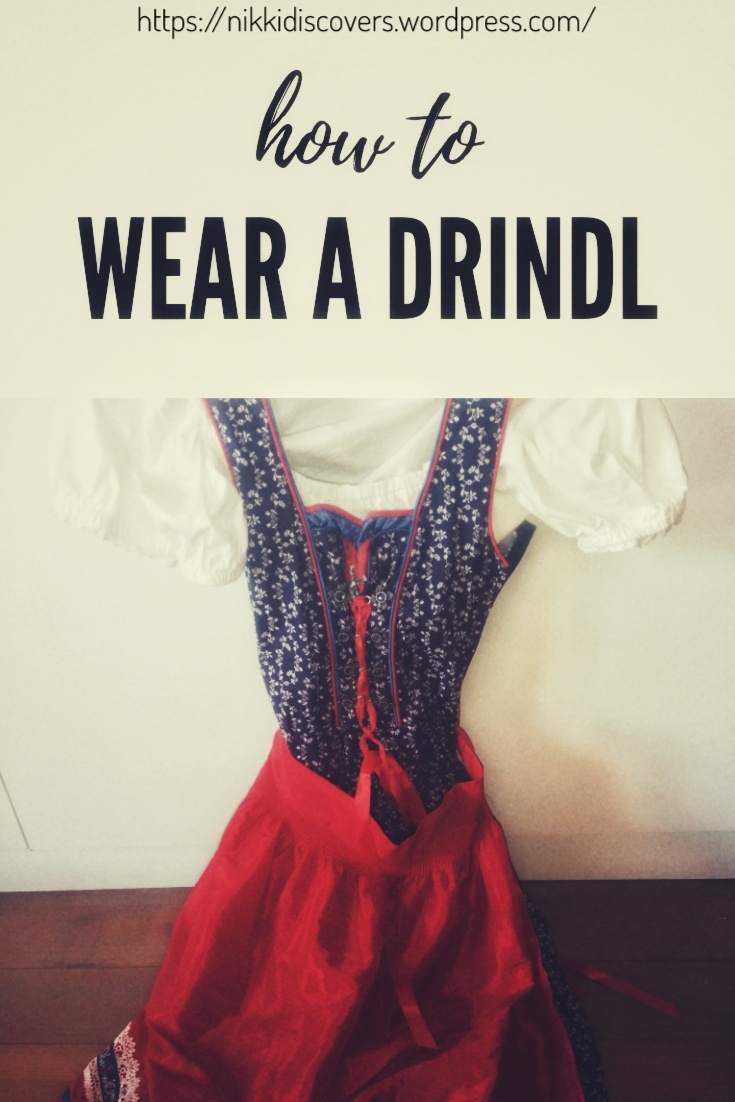
Blouse: Typically white with puffed short sleeves.
Dress: The main piece of the dirndl.
Apron: Tied around the waist, completing the outfit.
Some dirndls may include a corset or petticoat to add volume. However, the blouse, dress, and apron are the essential components.
Choosing the Right Bra
Support and Lift: German bras may not always offer the push-up effect needed for a dirndl. Bring a supportive bra from home or find one that provides good lift, as the dirndl’s cut highlights cleavage. Ensure your bra offers the right support to complement the outfit effectively.

Choosing the Right Dirndl Style
Traditional Prints and Modern Variations:
- Check Print and Floral Designs: Classic dirndls often feature check prints and floral patterns. These traditional styles are popular and widely recognized.
- Modern Alternatives: If you prefer something different, modern variations, including lederhosen-inspired outfits for women, are available. While most women opt for the classic dirndl, exploring contemporary styles can be a fun twist. Noh nee for example uses wax print fabric blending African fabric with the traditional drindl cut.
How to Tie Your Dirndl
Significance of Tying Your Dirndl:
- Right Side: Indicates you are taken.
- Left Side: Shows you are single and open to meeting new people.
- Back: Suggests you are a widow or an older woman.
- Front: Generally worn by children.
For a traditional look, tie your dirndl to the right. While some people adhere strictly to these rules, personal comfort is key. I tied mine o the right.
Accessorizing Your Dirndl
Traditional Accessories:
- Velvet Bag: A small velvet bag complements the dirndl. While I used a faux white leather bag, remember to carry only a small bag, as large bags are not allowed on festival grounds.
Footwear:
- Comfortable and Weather-Resistant: Choose rain-proof, comfortable shoes. You’ll be walking, dancing, and potentially encountering rain or spills. Avoid open-toe sandals to protect your feet from broken glass.
Jewellry:
- Necklaces: A large charm necklace is typical, but if you’re petite, opt for a delicate necklace. I wore a dainty silver heart necklace, a birthday gift from my friend Monique.
- Earrings: Keep earrings simple. Studs are preferable as large hoops can clash with the dirndl.
Hairstyling for Oktoberfest
Popular Hairstyles:
- Plaits: Various plait styles like pigtails, Dutch braids, and milkmaid braids are common. I chose a simple milkmaid braid with a flower Alice band for a cute touch.
- Loose Hair: If braids aren’t your style, wearing your hair loose is perfectly acceptable.

Makeup Tips
Natural Look:
- Minimal Makeup: Most women opt for natural-looking makeup. Avoid neon, glitter, or dark colors.
- Mascara: If you wear mascara, choose a waterproof formula to handle potential rain and heat inside the tents.
Nail Care:
- Short, Natural Nails: Trim your nails and keep them natural. Long fake nails can be cumbersome when handling beer mugs.
Additional Essentials
Weather Considerations:
- Layering: Carry a cardigan or light jacket. A coat or blazer also complements the dirndl. Munich weather can be unpredictable, so layering helps manage temperature changes.
- Stockings or Tights: Beige pantyhose can keep you warm without drawing attention.
- Umbrella and Scarf: If rain is expected, bring an umbrella. A warm scarf can be a lifesaver if you’re sensitive to the cold.
Thank you for reading! I hope these tips help you look stylish and feel comfortable in your dirndl. Feel free to leave comments or ask questions—I love engaging with my readers and am open to online collaborations.
Wishing you a fantastic Oktoberfest and joyful travels through life!


 Nikkidiscovers