
Moving to another country to study can be intimidating, especially if it’s your first time. I studied in Germany for a year, and these tips are based on my personal experiences. They will help make your first few days in Germany much less stressful. While my advice is specific to Germany, many of these tips can also be adapted for international students heading to other countries.
Do Your Research
Start by using Google to gather information and reach out to family and friends who have visited or lived in Germany. The DAAD (German Academic Exchange Service) offers a comprehensive guidebook that covers various aspects of student life in Germany.
For instance, a former classmate of mine thoroughly researched Duisburg before moving there, checking crime statistics, the unemployment rate, and the local climate. It’s essential to know if your university is located in a bustling city like Berlin, a tourist hotspot like Paris, or a smaller town like Göttingen. Larger cities often come with higher living costs, which can impact your travel budget. However, they also tend to have larger student communities and more attractions.
Understand Work Regulations
Find out how many hours you are allowed to work as an international student and the types of jobs available. Even if you don’t plan to work, it’s helpful to know this information. You might change your mind or be able to assist a friend with job leads.
Confirm Arrival Arrangements
Check if someone will greet you upon arrival in Germany. Are you being picked up and taken to your dorm, or will you need to navigate on your own? Knowing this can alleviate stress, especially if you’re unfamiliar with the area.
Ask Questions
Don’t hesitate to reach out to the scholarship fund, your department, or the international student office with any questions you may have. The more you know before you arrive, the better prepared you will be.
Visa Requirements
As a non-EU student, you will likely need a visa to study in Germany. Visa application forms are not available at German embassies in South Africa; you can find them online. Be sure to bring your letter of acceptance, scholarship funding letter, rental contract, health insurance policy, ID, passport, and a criminal clearance certificate from your local police station.
Registering with the City
Upon arriving in Germany, you must register with the city where you will be living, even if you already have a visa. Appointments can be challenging to secure, and the process may take longer than expected. Patience is key, as officials may be unhelpful, especially if you don’t speak German. For assistance, reach out to your university’s international office, which can provide valuable city-specific information.
Preparing for Culture Shock
Germans are known for their directness, which can sometimes be perceived as rudeness. As an international student, you might encounter stereotypes or racist comments. While this behavior can occur anywhere, it’s essential to remain resilient and focus on the kind individuals you will meet.
Unlike in South Africa, where people may warm up quickly, German culture tends to be more individualistic. For example, initiating small talk with cashiers may be viewed as odd. However, if you invest time in building relationships, you will eventually make German friends.
While my experiences revealed some shortcomings in societal manners—such as a lack of assistance for pregnant women or the elderly—it’s important to remember that not everyone embodies these traits. I encountered many friendly bus drivers and shopkeepers who brightened my day.
Adapting to the Weather
If you’re coming from a sunny country like South Africa, be prepared for Germany’s cold and rainy climate. Embrace the German attitude of walking in the rain and invest in a good winter coat. Make the most of sunny days by spending time outdoors. Despite experiencing a rainy summer, I managed to tan by soaking up every moment of sunshine. If you feel the weather is getting you down, consider planning weekend trips to sunnier destinations in Europe.
Finding the Positives
While my experiences included challenges, I also met many wonderful Germans. Keep an open mind and look for the silver linings. I cherish my time in Germany and would return for a vacation. By being yourself, kind, and friendly, you will likely find that people will warm up to you in return.

Student Dormitories
Living in student dorms is often the easiest option for international students. During my time in Essen, I resided in a dorm primarily occupied by Erasmus students. This environment was fantastic for meeting people from around the globe and forming lasting friendships. However, it also created a sense of separation from local German students.
I shared my apartment with one other girl after our third roommate moved out early to seek private accommodation. Each of us had our own compact fridge and access to two bathrooms, which was quite convenient. My wonderful roommate Gwen from France loved to clean, so I often got a break from chores in exchange for making her pancakes. She even brought kitchen appliances and utensils from France, so I didn’t need to buy much for our kitchen.
Challenges in Student Living
Not all experiences in student housing are as fortunate. I heard stories from classmates about messy situations, such as one girl washing her dishes in the shower and leaving bits of food behind. Others dealt with flatmates who neglected cleanliness, leading to mouldy leftovers or noisy disturbances. If you’re concerned about these potential issues, consider exploring private accommodation options.
Finding Private Accommodation
If you don’t speak German, enlist the help of a student assistant at your university’s international office. Be prepared for an interview, and make sure to bring your visa and proof of funding.
When searching for private accommodation, inquire about essential details such as:
Electricity and Water Costs: Are these included in the rent?
Additional Fees: Is there a deposit or other charges?
Smoking Policy: Are you allowed to smoke on the premises?
Furnishings: Is the place furnished or unfurnished?
Guest Policy: Are you allowed to have visitors?
WiFi Availability: Is internet access included?
Your university’s housing department typically has a list of available private accommodation options. Additionally, Erasmus students can join Facebook groups dedicated to Erasmus housing, where fellow students often post ads for available rooms.

Carrying Cash
It’s advisable to have some cash on hand when you arrive in Germany. While €300 is more than sufficient, you should aim to carry at least €100. If you are receiving a scholarship, be prepared for possible delays in opening a bank account and receiving your first stipend payment. Additionally, you may need cash for transportation from the airport to your accommodation.
Opening a Bank Account
Popular banking options in Germany include Deutsche Bank and Sparkasse. Sparkasse generally has more ATMs available, and as a student, you can obtain a credit card with either bank. Don’t worry about language barriers; bank staff typically speak fluent English.
To open a bank account, you will need:
Identification: A passport is usually required.
Proof of Address: Your dorm or flat rental contract will suffice.
Proof of Registration (Meldebescheinigung): If you are living in Germany for more than six months, you must register your address with the local authority (Bürgeramt). This applies even if you are there for a year. You’ll need to repeat this process each time you change your address. Most banks will require this proof to open your account.
Proof of Income: Your scholarship contract or work contract will be necessary. I provided my scholarship contract as proof.
Proof of Student Status: A confirmation or acceptance letter from your university will confirm your student status.
I received help from a student assistant in my department when opening my bank account, but I found that the staff’s English proficiency made the process straightforward.
For more detailed information on opening a bank account in Germany, click here: Opening a Bank Account in Germany.
Travel Tips for Students
With a valid student card, you can enjoy free public transport within your region in Germany. I traveled by train to cities like Cologne, Düsseldorf, and Bonn without charge. However, be aware that high-speed ICE trains are not included in this free travel. Your registration fees cover local buses, trains, and trams, making it easy and economical to explore.
Additionally, as a student, you can often get discounts on international train travel. For example, I paid approximately €30 for round trips to the Netherlands, benefiting from these discounts.
For longer distances, consider budget bus companies like FlixBus and Megabus, which connect various cities in Germany and beyond, including Brussels, London, and Rome. These buses are cost-effective and reliable.
If you prefer to fly, Ryanair is one of the cheapest options available. Just be sure to plan ahead, as Ryanair flights can land at airports that are far from your intended destination. Factor in potential taxi costs when budgeting for your trip.

Phone Calls
Not all phones work seamlessly in Germany, so it’s essential to check compatibility before your arrival. If you encounter issues, a simple solution is to purchase a German SIM card. I recommend visiting Aldi supermarket for an affordable option. I personally used Aldi Talk, which was quick to set up after filling out an online form. Using your home SIM card can lead to high roaming fees, so it’s best to switch.
For international calls, I relied on Lycamobile, which I received for free and was perfect for calling my parents. Since my mom isn’t tech-savvy, regular calls worked best for us. For friends and other family members, I used apps like WhatsApp, Facebook Video Chat, and Skype. With 500GB of data per month, I was able to stay connected easily.
Funding Opportunities
DAAD (German Academic Exchange Service) is the largest scholarship provider in Germany, offering comprehensive funding that includes health insurance, tuition fees, accommodation, and sometimes a flight home, depending on the length of your stay.
Erasmus Mundus is another significant scholarship program funded by EU countries, supporting exchange funding for European students, as well as students from Africa and India. These scholarships provide substantial financial assistance.
To explore additional scholarship options, you can search online, check funding pages on German university websites, and visit platforms like PlanetScholarship.com.
It’s important to note that tuition fees in Germany are generally free for both domestic and international students; however, you will need to pay a registration fee. Securing funding is crucial, especially for students from developing countries, as the cost of living can be high, and unfavorable exchange rates may apply. Make sure to apply for scholarships as soon as you submit your university application.
German Public Holidays
Be aware that on Sundays and German public holidays, most stores and supermarkets are closed, with only a few bakeries and restaurants remaining open. If you arrive on a public holiday, plan ahead, as you may find it challenging to find food or other essentials.
I arrived just before Reunification Day on October 3rd, but thankfully my friend Maria, who was staying in my apartment, helped me by sharing her food and Wi-Fi to call home. To avoid complications, try not to schedule your flight to land on a Sunday or a public holiday. Additionally, familiarize yourself with public holidays specific to your region, as they can vary across Germany.

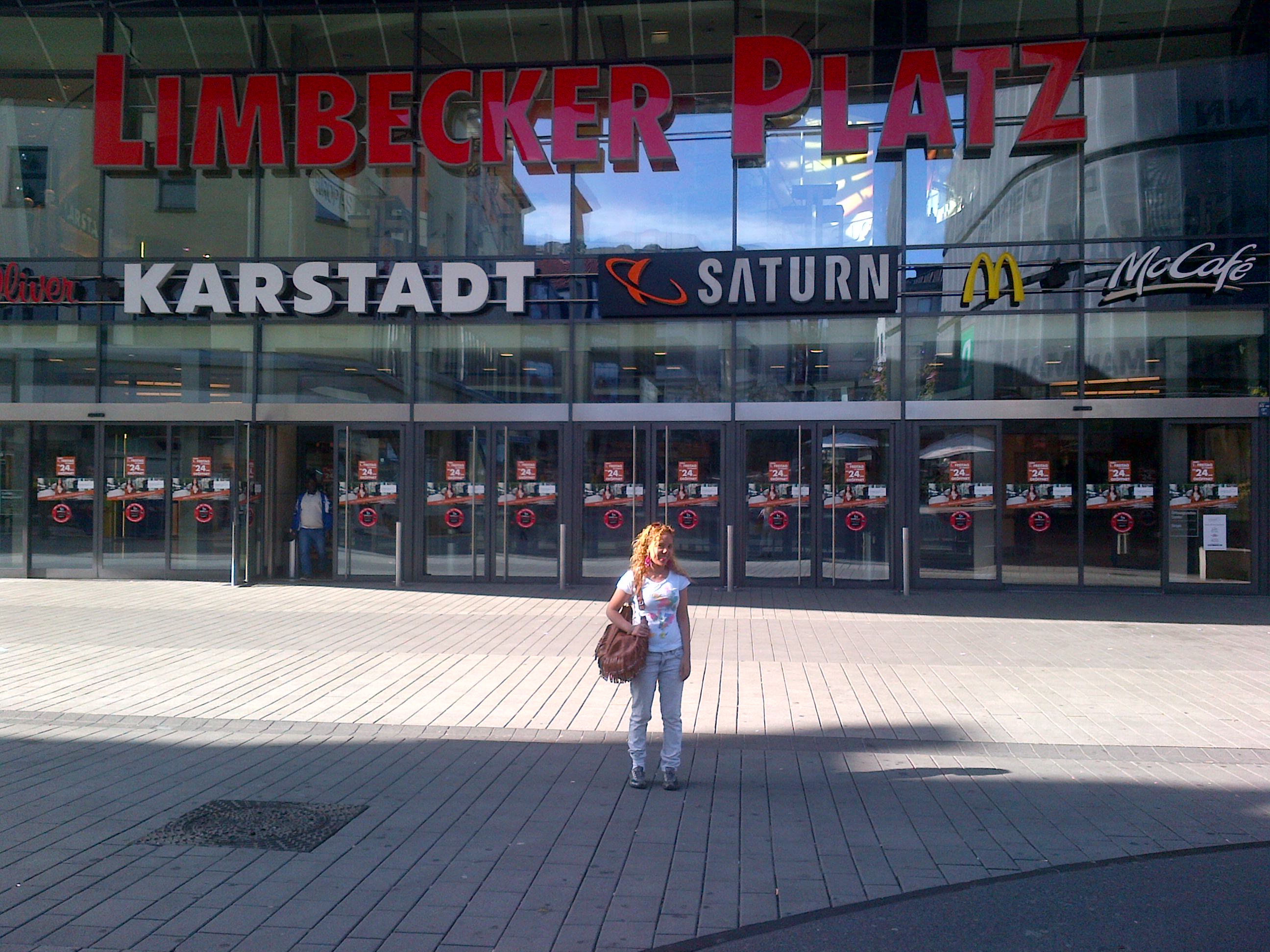
Budget Shopping in Germany: Aldi and Lidl
When it comes to affordable groceries, Aldi and Lidl are the best options in Germany. These supermarkets offer a wide range of products at lower prices compared to Rewe, which tends to be more expensive but does provide higher-quality items and greater variety. Most of my grocery shopping was done at Aldi and Lidl, reserving Rewe for specific fruits and vegetables.
Shopping at budget supermarkets like Aldi and Lidl is common among locals, so you won’t stand out as a “poor international student.” Keep in mind that you’ll need to pack your own items into shopping bags, as cashiers in Germany don’t do this for you. Be prepared to pack quickly!
Important Ticket Validation Tips
If you plan to use public transport in Germany, remember that your bus and train tickets must be validated after purchase. Look for a validation machine where you can swipe your ticket. Until you receive your student card, you may need to buy several bus and train tickets, so ensure they are validated to avoid fines.
Once you have your student card, public transport becomes much more convenient. Simply swipe your card when boarding a bus. For trains, just keep your student card handy to show the conductor if requested.
Key German Phrases to Know
One essential phrase you’ll frequently hear in busy supermarkets is “Entschuldigung,” which means “sorry” or “excuse me.” It’s used by individuals needing to pass through crowded aisles. If someone says it to you, kindly step aside to avoid any misunderstandings.
Learning this basic German word can go a long way in helping you navigate everyday situations. While I didn’t master the language, I picked up a few phrases like hello, thank you, and please. Even knowing a little German will enhance your experience, and I hope to continue learning in the future.

I appreciate you taking the time to read my post. This is the most comprehensive guide I can provide for now, but I’ll be sure to update it if I think of more tips to share.
Do you have any tips or experiences as an international student that you’d like to add? How did you prepare for your journey, and what were your feelings during the process? I encourage you to leave a comment below. I love engaging with my readers and welcome any feedback, as it helps me become a better blogger.
Wishing you happy travels!


 Nikkidiscovers
Great post … thanks for information 😊💛🌷
LikeLiked by 1 person
Thank you hoping it helps other prospective students
LikeLiked by 1 person
😊🌷 welcomw
LikeLike
Welcome*
LikeLiked by 1 person
Lovely post! Really informative! Thanks 🙂
LikeLiked by 1 person
Thanks 🤗 for reading and for your kind comment.
LikeLike