
Embarking on budget travel adventures across Europe has taught me valuable lessons, allowing me to maximise my experiences without breaking the bank. If you’re looking to save money while exploring this beautiful continent, here are some essential tips to help you stretch your travel budget further—after all, life is all about traveling!
Avoid Flying When Possible
One of the best ways to save money while traveling in Europe is to avoid flights whenever you can. Airfare can quickly eat into your travel budget, especially if you’re navigating a continent with efficient public transport systems. Instead, consider traveling by bus or train.
For instance, FlixBus and Eurolines offer affordable bus services throughout Germany and beyond, allowing you to relax, read, or make new friends on your journey. I particularly enjoyed train travel, as it provides stunning views of the ever-changing landscapes outside your window.
If long bus rides aren’t your style, you can opt for trains or budget flights. Just remember to book in advance to secure the best rates. Ryanair is a popular budget airline in Europe; I once found a round-trip flight from Bonn to London for just €2! However, ensure you check the location of your destination airport and the availability of public transport options. If needed, budget for a private taxi to take you from the airport to your accommodations.
Plan Your Travel Wisely
When flying is unavoidable, try to extend your stay at each destination to make the most of your ticket. Since flights can be costly, planning your itinerary around fewer but longer trips can help you save significantly.
Couchsurfing
Couchsurfing can be an excellent way to save money and meet locals, though it can feel daunting at first, especially for those from countries with safety concerns. While I haven’t tried it yet, a close friend had a wonderful experience couch surfing in Italy. She and her sister stayed with friendly hosts who offered their rooms for free in exchange for practicing their English.
If you decide to try Couchsurfing, make sure to read reviews thoroughly, keep cash as a backup, and have a plan B. It’s wise to know the location of nearby hostels or BnBs in case your plans fall through. Some travellers have found themselves without accommodation due to last-minute changes, so planning ahead is crucial. For more information, visit Couchsurfing.com.
Airbnb
Airbnb can also be a great option, but be sure to read multiple reviews before booking. I had a fantastic experience in Berlin, sharing an eclectic room with friends. However, one of my classmates had a challenging time in Amsterdam when her accommodation was much farther from the city centre than advertised. Always ask questions about the location and verify distances using Google Maps. As a traveller, being aware of misleading listings can save you time and frustration.
Hostels
Hostels offer a social atmosphere perfect for meeting fellow travellers. While experiences can vary—some hostels are clean and welcoming, while others may not meet your hygiene standards—many have great online reviews to help you choose wisely. I’ve encountered both pristine facilities and less-than-ideal conditions, but the communal vibe often makes up for it. Plus, sharing stories with fellow backpackers can lead to memorable experiences, even if you encounter a noisy roommate!

Camping in Europe
Camping provides an excellent opportunity to experience the natural beauty of Europe. Many campsites are located near hiking trails, lakes, and scenic landscapes, making it easy to enjoy outdoor activities. Just be sure to pack appropriately for the weather and choose your camping location wisely, especially if you’re travelling in colder months.
Stay with Friends
One of the best ways to save on accommodation costs while traveling in Europe is to reach out to friends living in your desired destinations. During my year abroad as a student in Germany, I made incredible friends from various countries, including South Africans I met at a pre-departure Erasmus Scholarship event. I’ve stayed with friends in the Netherlands, Belgium, and France, which allowed me to experience these cultures more authentically.
Having a local friend can enrich your travel experience, offering insights into the area that you wouldn’t get from traditional tourist accommodations. Although I wasn’t able to visit every friend in Spain, Greece, and England due to my studies, I hope to explore these places in the future.

Budget Eating Tips for Student Travellers in Europe
As a student traveller, I often splurged on food while also seeking affordable dining options, and trying traditional dishes was a highlight of my travels. For example, I still crave the authentic Belgian waffles from Ghent, filled with caramelised brown sugar, which I haven’t found in Cape Town. The key takeaway? Eat local; you can find fast food worldwide, but when will you savour Rigó Jancsi in Budapest again? Embrace street food, especially if locals are enjoying it, and always check for cleanliness. If you’re staying in a hostel or Airbnb with kitchen access, cooking your own meals can save money and foster connections with fellow travellers. When dining out, steer clear of tourist traps by exploring side streets and using platforms like TripAdvisor cautiously, as prices can rise with popularity. Consider making lunch your primary meal, as it’s often cheaper, and be aware of local tipping practices—like in Germany, where service staff typically don’t expect tips. Avoid overpriced gas station food by packing your own snacks, and carry a refillable water bottle to save on bottled water costs. By following these budget-friendly eating tips, you can enjoy local cuisine while keeping your travel expenses in check.

Shopping
When it comes to shopping while traveling, always prioritise shopping local. This not only supports the local economy but also helps you avoid overpriced novelty shops and tourist traps, which often sell items made in China. Instead, seek out talented street vendors and local artisans. For example, I once paid double for keychains near the Eiffel Tower, only to find the same ones for €2 for ten at a different location in Paris—learn from my mistake!
Opt for budget-friendly souvenirs like keychains, postcards, fridge magnets, and bookmarks. These smaller items make great gifts that loved ones will appreciate, regardless of their cost. You might splurge on one special item, but mixing it with thoughtful, inexpensive gifts shows you care.
Be wary of shopping scams, like being offered a “free” rose or having a bracelet tied to your wrist without your consent. Such tactics can lead to unexpected charges. If you’re tempted to buy Italian leather sandals, make sure they are genuine to avoid getting scammed. Research common scams online, read travel blogs, and consult locals or tourist offices to stay informed.
To avoid tourist trap prices, watch and find out where locals shop and follow their lead to discover unique markets. By following these smart shopping tips, you can find meaningful souvenirs, save money, and have a more authentic travel experience.
Exploring Free Wi-Fi Around the World
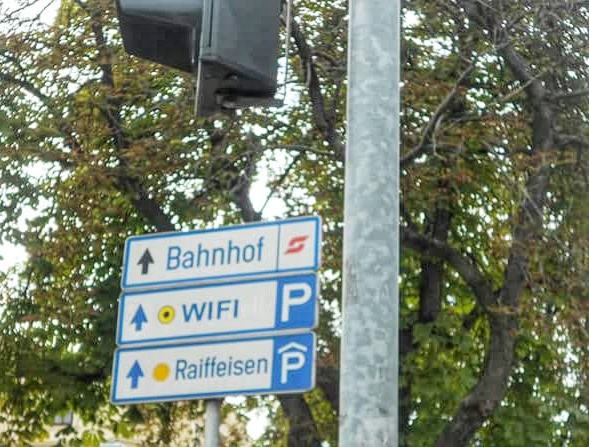
Many countries offer free Wi-Fi spots, making it easier to stay connected while traveling. For instance, Austria provides clear signage at various free Wi-Fi locations, ensuring you can easily find a connection. In South Africa, you can enjoy complimentary Wi-Fi in shopping malls, public libraries, and some parks.
Most countries also feature public libraries with free Wi-Fi access, allowing you to catch up on work or browse the web. Additionally, numerous restaurants offer free Wi-Fi; simply order a coffee or two, and you can use their internet service.
Whether you’re traveling for business or leisure, knowing where to find free Wi-Fi can enhance your experience. Stay connected and make the most of your time exploring new destinations!
Get a Local SIM Card for Your Phone: Save on Roaming Charges
Avoid the high costs of roaming charges by getting a local SIM card for your phone when traveling. Recently, a German traveller racked up an astonishing €12,000 in roaming fees by using a phone service on a cruise ship. This amount was equivalent to my entire living stipend for a year in Germany (2015-2016)!
To stay connected without breaking the bank, opt for a local SIM card at your destination. There are also several affordable options for international calling. I personally used Lycamobile while living in Germany, and I was amazed at how little I paid to call my mom back home. Lycamobile operates in multiple countries and offers excellent service, making it a top choice for international travellers.
Be a Travel Ninja: Go Incognito for Better Deals
Before you start searching for flights, accommodations, and travel-related services, change your browser settings to incognito mode. This simple step can help you avoid price hikes based on your browsing history. If you’re unsure how to enable incognito mode, check out this helpful guide: How to Use Incognito Mode in Chrome.
Clearing your cookies is not always enough, as it’s easy to forget to do this regularly. Airlines and travel websites often track your browsing habits, which can lead to increased prices when they see you’re interested in traveling. By going incognito, you can browse anonymously and potentially secure better deals.
Maximise Your Travel Savings with Package Deals and Money Conversion Tips
Booking package deals is a common travel practice for many. While I have personally enjoyed student travel companies that offer inclusive packages—complete with breakfast, walking tours, postcards, and even accommodation—I’ve always made it a point to consult my Dutch big sister, Monique. She travels extensively around Europe with her family and provides invaluable advice to ensure I’m getting the best value for my trips.
Although package deals can be convenient and save you time, they can also be pricey. By booking your own flights, choosing budget-friendly accommodations, and dining at local street food vendors, you can often save significantly. Always compare costs online before committing to a package that way you will make a smart financial choice.
To explore the companies I travelled with, check out these links:
Smart Tips on Package Deal Cards
When traveling, be cautious about purchasing package deal cards upon arrival. For example, if you’re planning to take a canal cruise and visit at least three museums in one day, the Amsterdam City Card can be worth it. However, keep in mind that it doesn’t include all museums, such as the popular Anne Frank House. Before buying any pass, calculate the total cost of the attractions you want to visit and compare it to the package deal to see if you’ll save money.
Money Conversion Tips
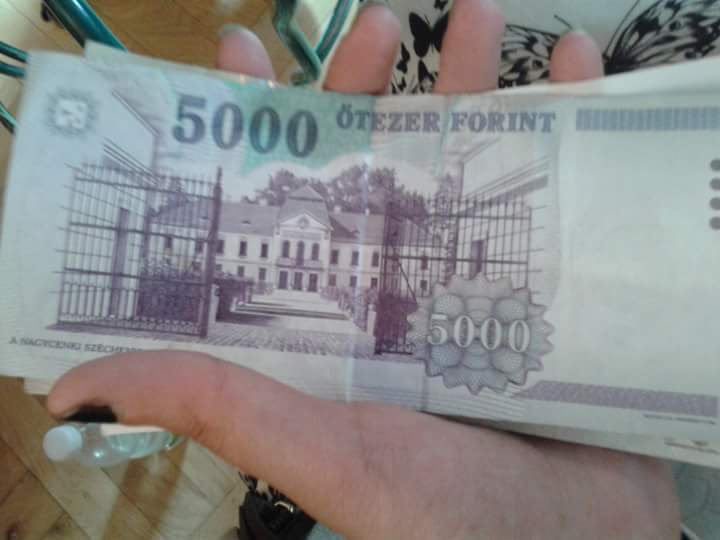
It’s often best to convert your money at home to avoid high fees at currency exchange services. If you must convert money at your destination, seek advice from a trustworthy local, such as a reliable tour guide. For instance, while in Budapest, I found a great exchange location outside the city center with reasonable rates thanks to a local’s recommendation.
If asking locals doesn’t appeal to you, do some online research. Check blogs and forums to find the best places for currency conversion before your trip.
Dumpster Diving
Although I have no experience with dumpster diving or freecycling, it’s a resourceful way to find food and items that would otherwise go to waste. Many people have misconceptions about it, but if you’re curious, check out this comprehensive guide: Dumpster Diving for Dummies.
Getting Around
Walking is my preferred way to explore new places—it’s why I refer to my journeys as travels rather than vacations. I walked extensively during my trips, and when the distances were too great, I relied on public transportation. In some cities, services like Uber and Taxify are available, but keep in mind that Uber is banned in Germany. Alternatively, you can use Blablacar, which allows you to share rides with drivers heading to your destination. Learn more here: Blablacar.
I only took a private cab once when public transport had stopped running late at night after a trip to Amsterdam. I shared the cab with two friends, which made the €11 fare much more manageable. If you must use a taxi, consider splitting the cost with fellow travellers.
Travel Light
Before you travel, familiarise yourself with baggage policies and aim to pack light. Traveling with fewer bags not only reduces the risk of theft but also gives you more room for souvenirs. Plus, you’ll avoid extra fees for additional luggage.
Discounts for Students
If you’re a student, don’t forget to carry your student ID. Many places, including cafes and attractions, offer student discounts. For example, there’s a coffee shop in Bonn, Germany, that provides reduced prices for students.
Free Activities
Across the globe, there are countless free activities and events to enjoy. Consider visiting public libraries, parks, or places of worship. You can also attend free concerts, film screenings, or go bird and whale watching.
Split Costs with Friends
Traveling can be expensive, but splitting costs with friends can make it more affordable. For instance, gondola rides in Venice can be pricey—sharing the fare can significantly reduce your expenses. When visiting Cape Town, many holiday resorts allow you to book shared chalets, making accommodations more affordable. I did this during my trip to Arniston, where I paid R800 for all meals, lodging, and transportation.

How the Pfand System Works
Recycling with Pfand is simple and rewarding. Most supermarkets have Pfand machines where you can deposit your eligible bottles. Just insert your bottles one by one, and the machine will print out a cash-back slip for you. Present this slip at the cashier to deduct the amount from your grocery bill. You can even use it to buy airtime for your phone!
Next time you’re out and about, take a moment to recycle and save some cash.
Explore Your Local Area
“Travel in your own backyard” doesn’t mean camping out at home—though that’s a fun idea! Instead, explore your city by taking walking or bus tours. Discover parks, museums, and local attractions you’ve always wanted to visit. If your city feels limited, consider planning a nearby road trip. For example, I’m excited to visit Hermanus, just over two hours from Cape Town, to go whale watching!
Thanks for checking out my top tips for budget-friendly travel. If you have any additional suggestions, I’d love to hear them! Your feedback helps me improve my blog and share even more valuable insights.
Wishing you happy travels!


 Nikkidiscovers