
Respecting the local culture of the places you visit is crucial for any traveler. Your actions reflect not only on yourself but also on your fellow travelers and your home country. No one wants to be labeled a jerk! Recent incidents—like tourists behaving inappropriately in Japan’s suicide forest or making disrespectful comments at a Holocaust memorial—serve as stark reminders of the importance of cultural sensitivity. If you want to meet new people while traveling, respect goes a long way in forming meaningful connections. Here are some tips for becoming a more respectful traveler.
Do Your Research
Understanding the culture and history of your destination is essential. Familiarise yourself with local customs, including appropriate dress codes. For instance, in Brazil, the “OK” sign is considered offensive, and in many Muslim countries, using your left hand to give a gift is seen as rude. Knowledge like this shows locals that you care about their way of life, potentially leading to friendships and enriching conversations. Arm yourself with this knowledge to avoid accidentally breaking local laws or customs.
Observe Your Surroundings
In addition to research, practical observation is invaluable. Take some time to watch how locals interact with each other. People-watching helps you get a feel for the culture without intruding. This can guide your behaviour and interactions throughout your visit.
Give Back When Possible
Consider volunteering or donating items, such as clothing, that you no longer need. Learn about the social issues affecting the area you are visiting and contribute in small ways. While touring impoverished areas can be controversial, look for responsible tour operators that hire locals and contribute to the community. If you can’t find a suitable tour, consider giving back on your own after your visit.
Support Locally Made Goods
When searching for souvenirs, prioritise items crafted by locals. In places like Cape Town, you can find street vendors selling unique handmade goods at lower prices than in commercial malls. Supporting local artisans not only enhances your travel experience but also bolsters the local economy.
Follow Dress Guidelines
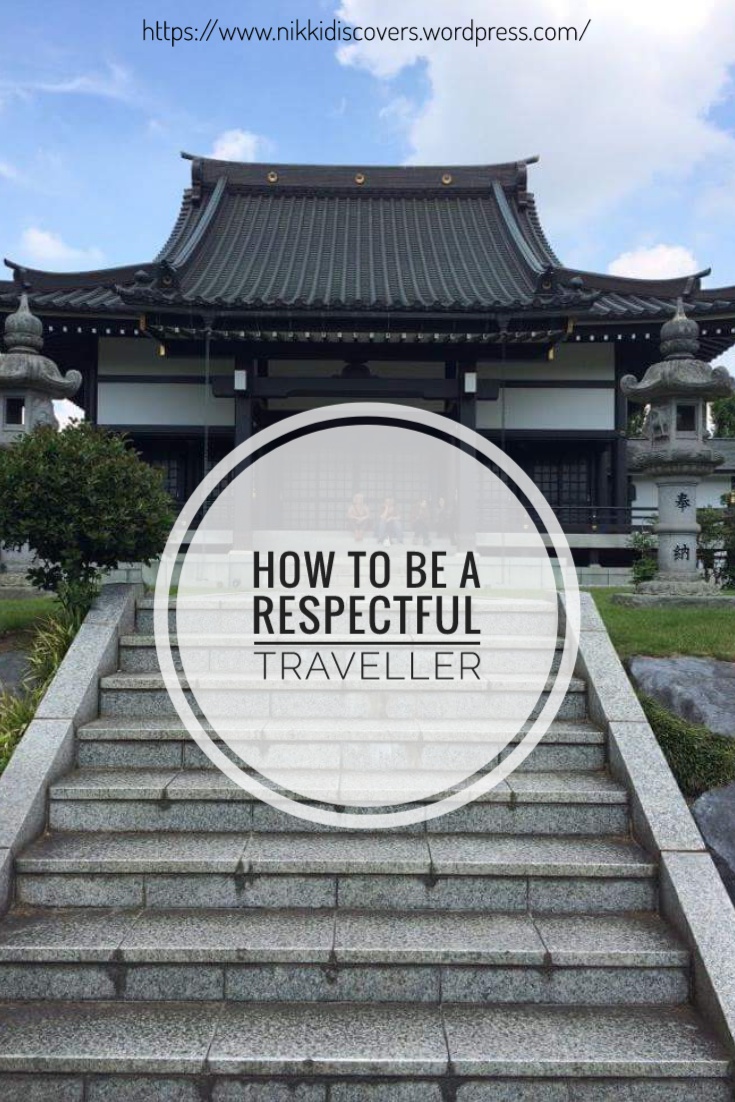
While many travellers aim to blend in, respecting local dress customs is key. Always carry a cardigan or shawl to cover your shoulders when entering places of worship. Avoid wearing short dresses unless you have a sarong or appropriate cover-up. For example, when visiting a Japanese temple, it’s customary to remove your shoes. In many Islamic countries, dressing modestly is important, so be sure to check for any local dress codes.
Respect the Environment
Protecting the environment of your destination is essential. Littering has become a significant issue in places like Venice, leading to local resentment towards tourists. To minimise your impact, consider using public transport or walking, which are both cost-effective and environmentally friendly options.
Learn a Few Local Words
Learning a few basic phrases in the local language can make a big difference. Simple words like “thank you” in German (“Danke”) or Afrikaans (“Dankie”) show respect for the culture and can foster goodwill among locals. These small gestures can significantly enhance your travel experience.
Respect Customs and Resources
While you may not agree with certain local customs—like the practice in Bali that prevents menstruating women from entering temples—it’s important to respect them. If you feel strongly about changing unfair practices, consider volunteering with organisations that educate locals respectfully.
Be mindful of resources, especially in areas facing scarcity, like Cape Town, which is currently experiencing a severe drought. Tourists are encouraged to conserve water, as wastage can significantly affect local communities. Respecting these precious resources demonstrates consideration for the environment and the people living there.
Find the Silver Lining
Every culture has its pros and cons. Even if you encounter aspects of German culture that you don’t appreciate, try to focus on the positives—like the well-behaved children and the active older generation. Most Germans enjoy traveling and learning, making visits to museums a common activity. While you may meet some rude individuals, remember that many friendly locals are willing to help, too. Keep an open mind, and you’ll find positives in every culture.
Ask for Permission When Taking Photos
When photographing people, especially children, always ask for permission first. In busy tourist areas like Pisa, it’s challenging to avoid including others in your shots. However, if you see a local vendor or child, politely ask if you can take their photo. I made sure to ask parents before photographing children in Bratislava, as common courtesy dictates respecting others’ privacy. If you promise to send photos, be sure to follow through!

Buy Ethically Sourced Gemstones
When considering the purchase of gemstones during your travels, always verify their ethical sourcing. Avoid buying items made from precious natural resources, shells, coral, hardwood, and products derived from endangered species or ancient artefacts. Supporting ethical practices is crucial for environmental conservation, so choose to buy goods that do not harm the planet.
Embrace Local Customs
In Dubai, for instance, Fridays are part of the weekend, while Sundays are typically workdays. Instead of complaining, embrace the local routine. Similarly, if you find yourself in a culture that observes siestas, respect this practice rather than seeking open shops during these hours. Adapting to local customs enhances your travel experience and shows respect for the community.
Check Your Biases
It’s essential to challenge your biases while traveling. Avoid pigeonholing or judging cultures based on stereotypes. South Africa isn’t just like “The Lion King,” and not all of Germany consists of picturesque villages. For example, not every Russian drinks vodka—just ask my friend Anastasia, who prefers tequila. Focus on commonalities, like the strong sense of community found in Latin American and South African cultures, which often celebrate music, dance, and warm greetings.
Reduce Waste and Recycle
In Germany, recycling is straightforward, with designated bins widely available. In destinations where recycling options are limited, do your part by minimising excess packaging. Unpack items at home and recycle what you can before your trip. Opt to dine at establishments that prioritise sustainability, using real cutlery and plates instead of disposable plastics that often end up in oceans.
Hire Local Tour Guides
Booking a local tour guide can significantly enhance your travel experience while supporting the local economy. In regions like Kenya, former wildlife poachers are transitioning into conservationists and guides. By choosing local guides, you contribute to a sustainable tourism model that values wildlife protection over poaching, promoting a brighter future for both communities and wildlife.
Ethical Animal Encounters
When planning trips to see wildlife, whether in the wild or in captivity, it’s crucial to research your destination. Before visiting a zoo or animal sanctuary, read reviews and check the conditions to ensure you’re not supporting animal abuse. Avoid activities that exploit animals, such as elephant rides, as training methods often involve severe cruelty. Additionally, orca whales do not thrive in captivity; it’s best to skip places that keep them confined. Instead, seek out establishments approved by organisations like the WWF, which prioritise animal welfare.
Book Responsibly
Choose tour operators that emphasise environmental sustainability. When booking accommodations, look for eco-friendly hotels that implement water-saving measures and other green practices. If flying is necessary, try to minimise connecting flights and extend your stay to reduce your carbon footprint. During my travels across Europe, I primarily used buses and trains, flying only to Germany and back home. Whenever possible, I aim to make responsible travel choices.
Thank you for reading my blog! Do you have any tips to add? I appreciate your comments, as they bring me joy and inspiration. I welcome both critique and praise.
Wishing you happy travels!


 Nikkidiscovers
Will do and thanks for the feedback 😃
LikeLike
well said Nikki, couldn’t agre more!
LikeLiked by 1 person
Thanks for commenting glad that you agree
LikeLike
Wonderful post! There are so many things we agree on, especially when it comes to buying local souvenirs and supporting local communities while not harming animals or the environment.. And I definitely agree about asking permission when taking photos of children, or anyone else. I’ve seen some tourists in Cairo who treat children as part of the exotic landscape.
LikeLiked by 1 person
I’m so thankful for your comment especially since you agree with my views it makes me upset and sad at times to see travellers treating people like they are a tourist attraction. It’s good to know that there are like minded people like you who are considerate.
LikeLiked by 1 person
This is great advice more travellers could stand to take to heart. I am invariably disgusted and disheartened when I travel through wonderful national parks and other areas and find the visitors have left piles of crap and junk at the location car parks etc.
LikeLiked by 1 person
Thank you for your comment Luke it is heart breaking to see beautiful places bring ruined by people. This is why I wrote this post. I saw an Instagram photo of a badly river polluted and it struck a chord with me. Luckily there are responsible travellers out there to. Like you who care about the environment.
LikeLiked by 1 person