
It’s been a while since my last post. I’ve been struggling with a non-infectious bout of writer’s block, and honestly, I wasn’t sure what to write about for Human Rights Day. Observed annually on March 21st, Human Rights Day in South Africa is a significant occasion. But I hesitated because I thought, “Everyone already knows why we celebrate it, especially South Africans.” Why would anyone care to read about it, particularly international readers?
Then, something happened that made me rethink. The day before Human Rights Day, I took a taxi. For those who aren’t familiar with taxis in South Africa, they’re not like the traditional British or New York cabs. We have large minibus taxis—shared rides where passengers can hop on and off at different stops along a predetermined route. So, there I am in the taxi on my way to my sister’s place, when the taxi guard (the person who collects the fare and shouts out the route to everyone) repeatedly insists that tomorrow is Freedom Day. He tells the driver this over and over again.
I couldn’t help but think, “No, it’s not Freedom Day—that’s on April 27th when we celebrate our first democratic elections in 1994!” But on March 21st, it’s Human Rights Day, not Freedom Day. The following day, I mentioned to my Russian friend, Anastasia, that it’s a national holiday, and she asked, “Should you be congratulated?” Her question made me laugh, but it also reminded me that this is a topic worth discussing—especially since I’m a Political Studies graduate. Maybe this won’t be such a dull post after all.
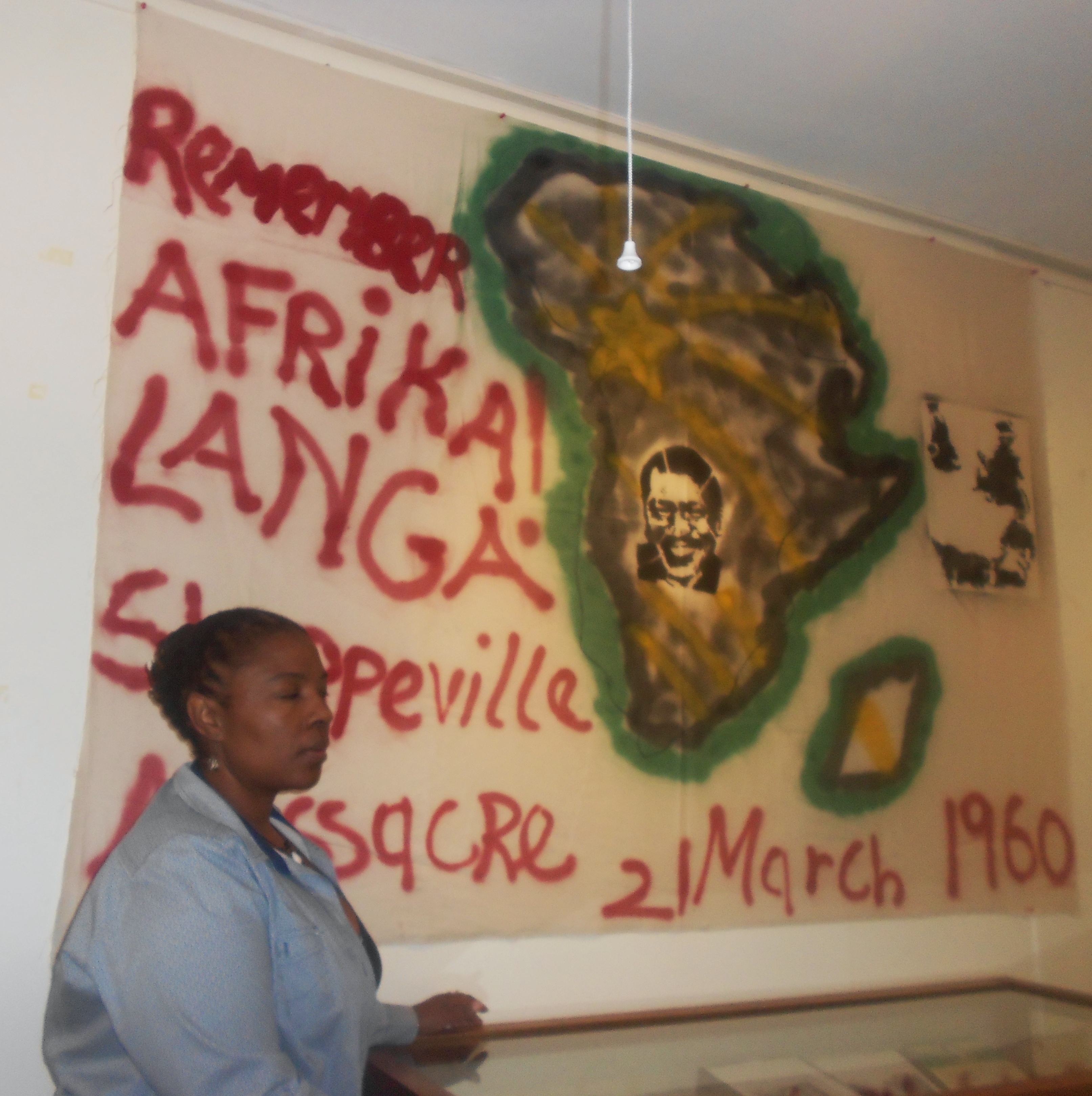
What is Human Rights Day in South Africa?
Human Rights Day marks the anniversary of the tragic events on March 21, 1960, when peaceful protesters in Sharpeville, South Africa, marched against the oppressive pass laws under the apartheid regime. These pass laws required Black South Africans to carry passbooks to travel within South Africa. The laws were a means of controlling the movement of the Black population, enforcing racial segregation, and limiting their freedom of movement.
On that day in Sharpeville, a peaceful protest against these discriminatory pass laws turned violent when police opened fire on the crowd. Despite the protest being non-violent, 69 people were killed, and 108 others were injured. Many of the victims were shot in the back as they fled. The Sharpeville massacre sparked widespread outrage across South Africa and led to further protests, such as those in Langa, which were also met with police brutality.
In 1994, when South Africa became a democratic nation, March 21st was officially declared a national holiday to honour the lives lost at Sharpeville and to remind us of the ongoing struggle for human rights and equality. It’s a day of reflection, not only for South Africans but for anyone who values human dignity and freedom. The events in Sharpeville and Langa are part of the broader fight against apartheid, a fight that ultimately led to the end of institutionalized racial segregation in South Africa.
Why is Human Rights Day Important?
Every year, on Human Rights Day, we remember the courageous individuals who stood up against apartheid, knowing that their actions would come at a great personal cost. It’s a day to reflect on the price of freedom and to acknowledge the sacrifices made by those who fought for justice. This day is a reminder that human rights should never be taken for granted, and we must continue to work towards equality for all.
Despite being a South African tradition, Human Rights Day has universal significance. It’s a day for everyone to consider the global fight for justice and the ongoing struggles for human rights, from inequality to oppression, that continue around the world. The events at Sharpeville serve as a poignant reminder that human rights are universal, and they should be protected at all costs.
So, perhaps I was wrong to think that writing about Human Rights Day would be boring. After all, it’s a day that commemorates the lives lost in the fight for freedom. Whether you’re South African or not, Human Rights Day is a vital part of understanding South Africa’s journey from apartheid to democracy, and it holds important lessons for us all in the ongoing fight for equality and human dignity worldwide.
Thank you for reading and please feel free to comment.


 Nikkidiscovers
So glad you put this out there Nikki… The world needs to know.
LikeLiked by 1 person
Only seeing your comment now Thank You (:
LikeLike